

Victorian Paraffin Burner
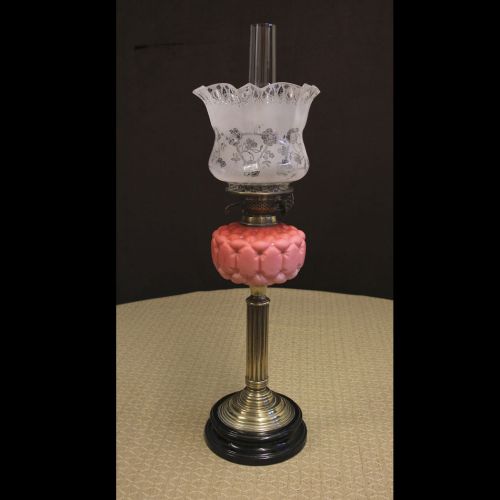
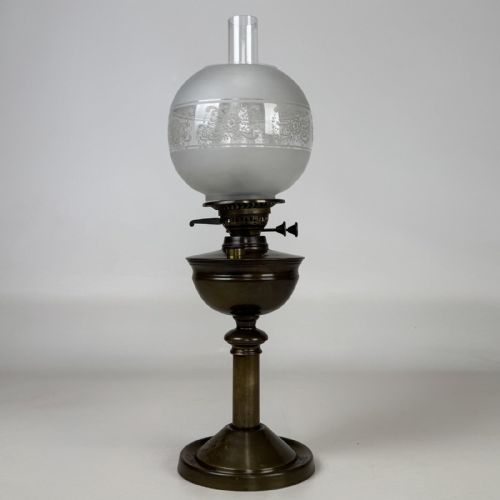
A victorian paraffin burner brings warm period illumination and striking decorative presence to a room through heavy brass and coloured glass.
Victorian Paraffin Burner
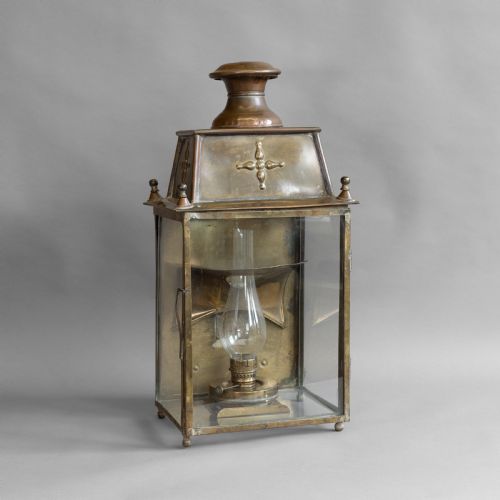
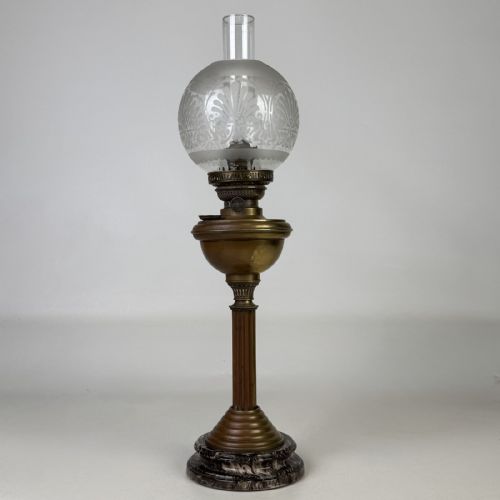
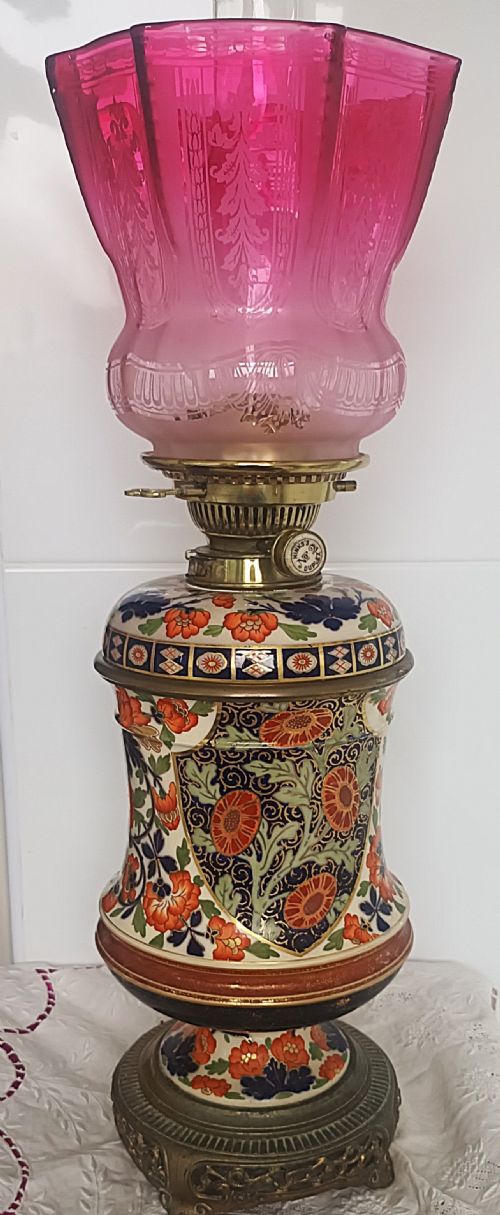
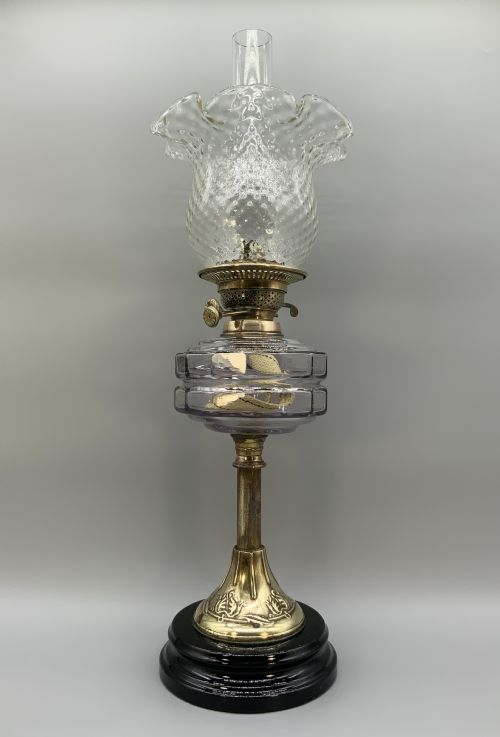
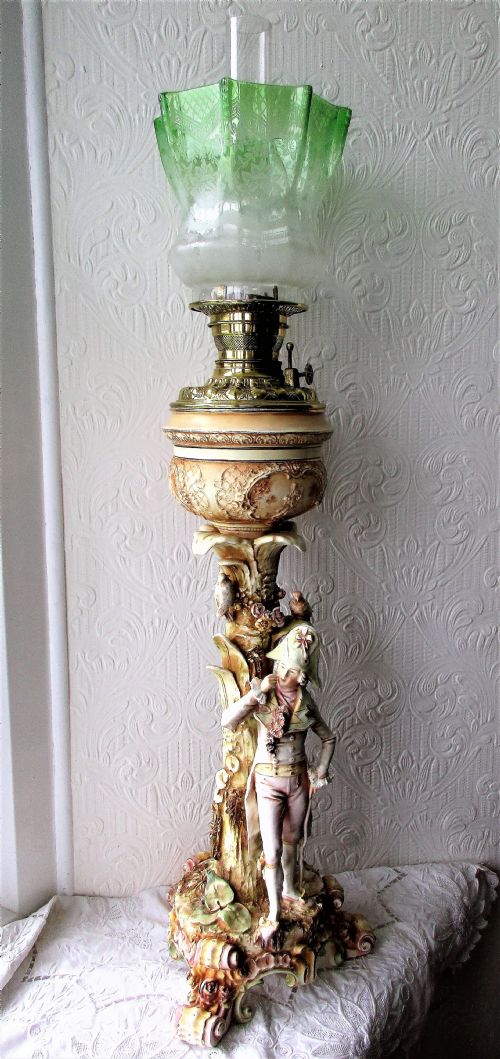
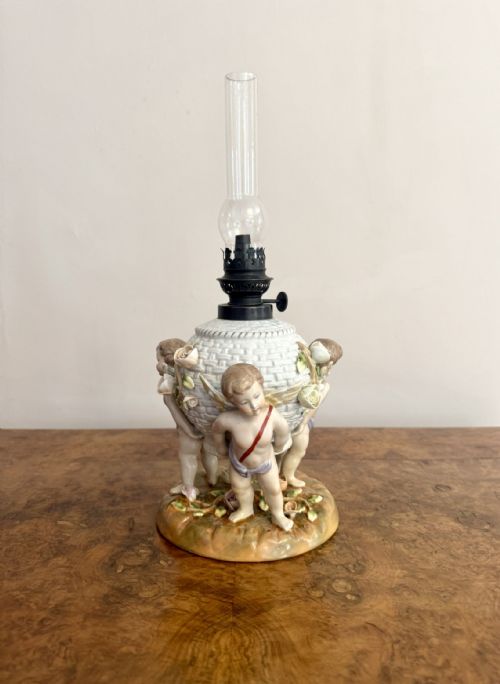
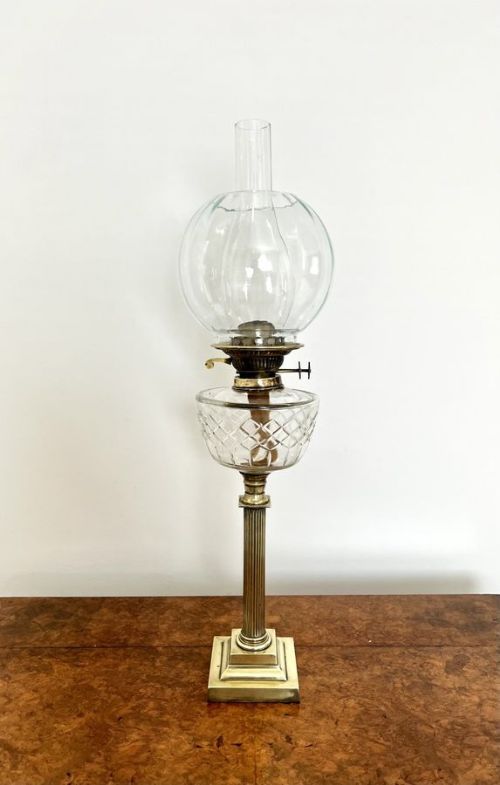
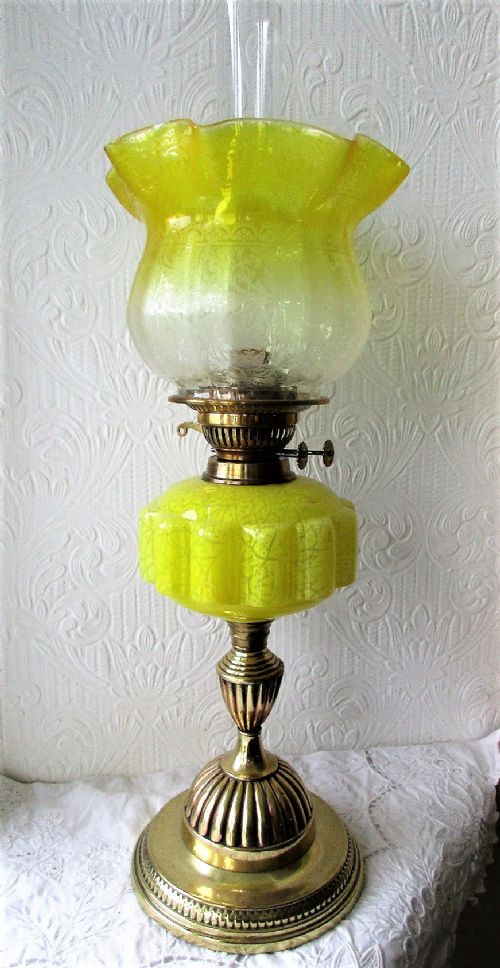
When you search for a victorian paraffin burner, you examine domestic lighting apparatus designed to burn kerosene or paraffin oil for interior illumination during the nineteenth and early twentieth centuries. These pieces generally comprise a heavy metal or ceramic base, a fuel reservoir known as a font, and a specialised burner mechanism topped by a glass chimney and decorative shade.
The versions you are most likely to encounter on this page span the Victorian and Edwardian eras, with manufacturing dates clustering through the latter half of the nineteenth century and into the early nineteen hundreds. Brass columns and coloured glass fonts dominate the physical forms available here.
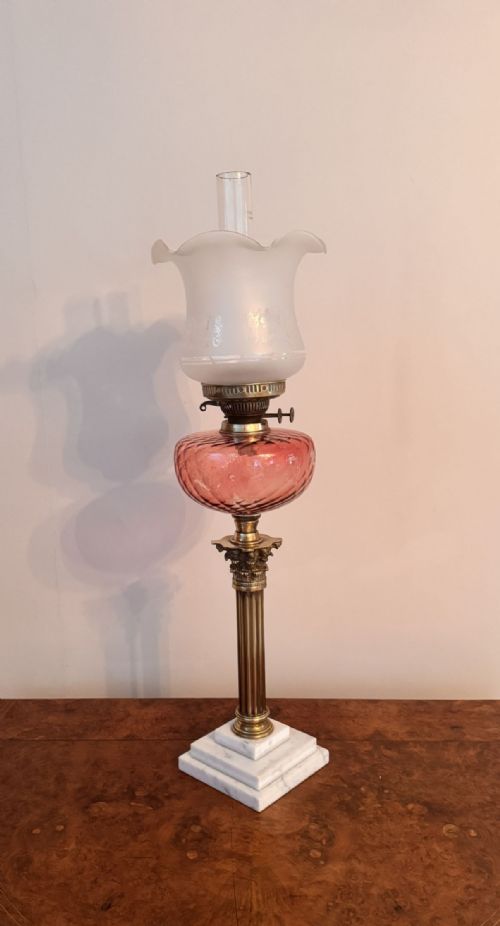
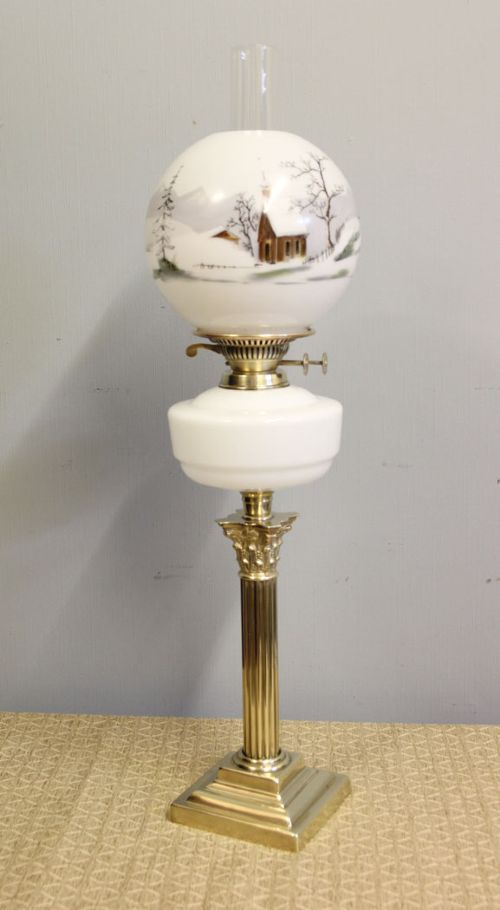
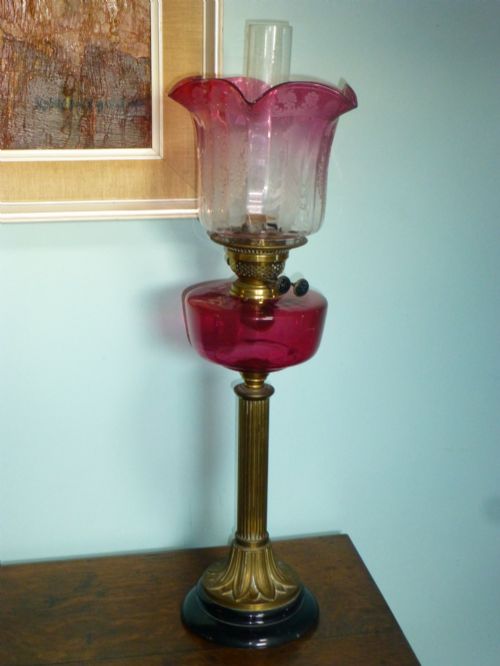
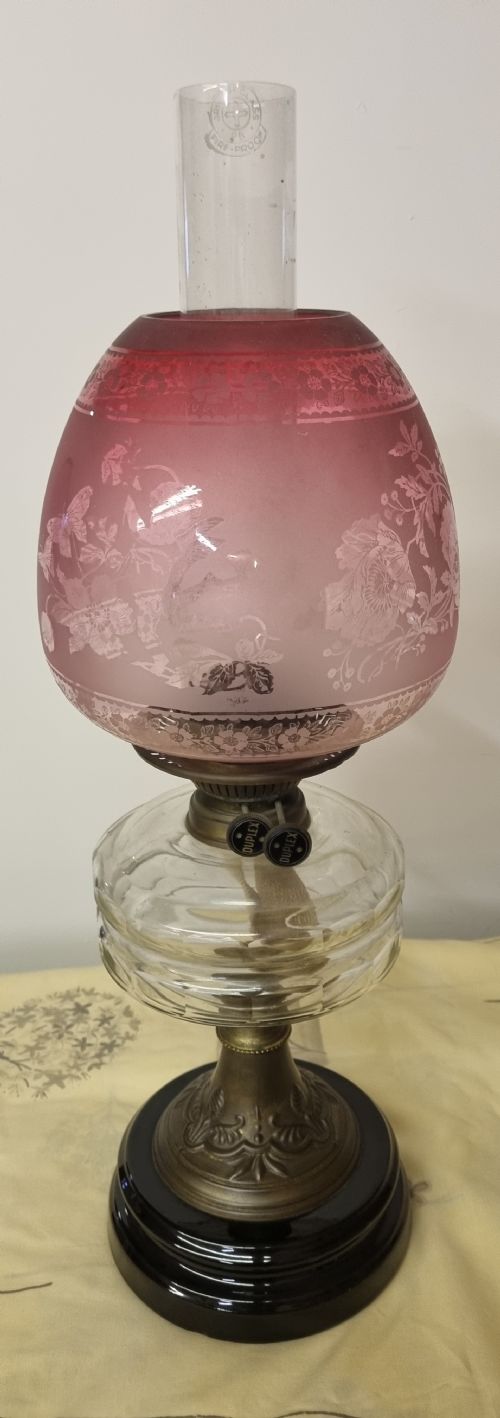
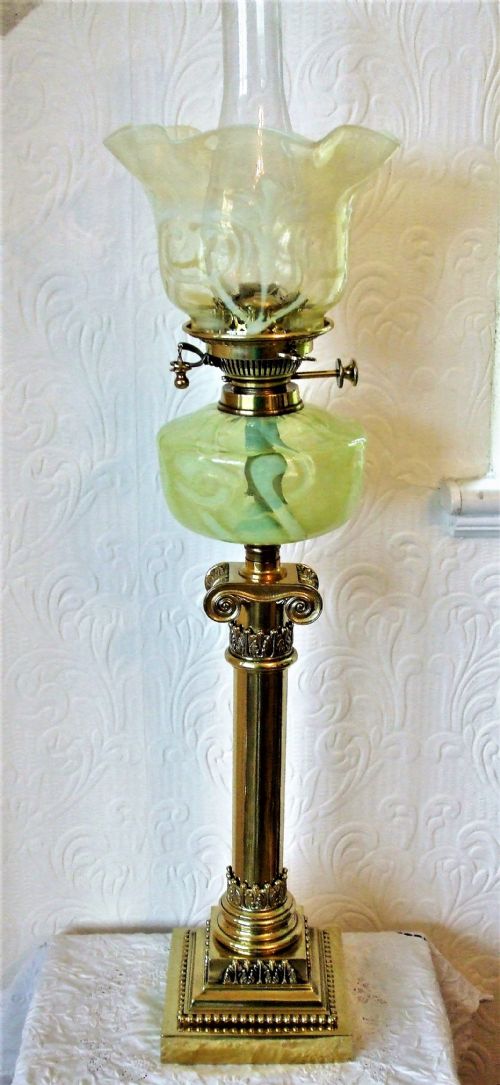
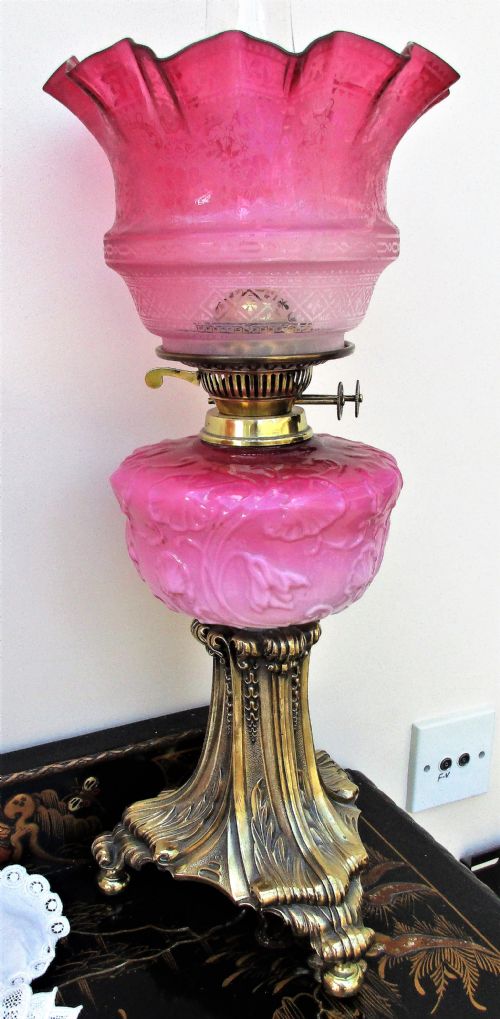
Common variations include Corinthian and Ionic column styles, tall table models, ceiling lights, and figural ceramic bodies. Many examples incorporate hand-blown or etched shades in cranberry, frosted, or opaline glass.
Materials and construction
Brass serves as the primary structural material for columns, bases, and burner galleries, frequently paired with ceramic or marble components to add weight and colour. Metals such as copper and silver plate also appear among the listed items to create reflective surfaces.
Glassmaking techniques define the visual appeal of these lamps, utilising cranberry glass, opaline, satin glass, and clear crystal shaped into fonts and shades. Artisans applied hand-blown methods and acid-etching to produce botanical motifs, winter scenes, and tulip profiles upon the glass elements.
Victorian Paraffin Burner Retail Price Guide 2026
Typical asking prices for victorian paraffin burner among the pieces listed under this phrase on Sellingantiques today, from the lower quarter to the upper quarter. They describe what is for sale here now, not the wider market.
Some burners feature winter snow scenes etched into the glass shade, keeping a permanent blizzard glowing on the parlour table.
Judging the standard
Quality rests upon the heft of the metal casting and the crispness of architectural details such as fluted Corinthian columns. Superior examples demonstrate substantial brass thickness and precise mechanical assembly in telescopic stems or burner components.
Hinks·Taylor Tunnicliff·Sitzendorf
The Victorian Paraffin Burner Glossary
- Duplex burner
- A twin-wick burner mechanism designed to produce a brighter flame than single-wick alternatives. It uses two parallel flat wicks adjusted by twin thumbwheels.
- Font
- The oil reservoir of the lamp, positioned above the base and below the burner. Fonts are frequently manufactured from coloured glass, porcelain, or brass.
- Peg lamp
- A small oil lamp featuring a tapered lower post designed to drop directly into a candlesticken or specialised wall bracket rather than standing on an independent base.
- Column lamp
- A lamp styled after classical architectural orders, featuring a tall shaft with fluted details and a decorative capital resting on a stepped square base.
- Gallery
- The metal collar surrounding the top of the burner that holds the glass chimney in place. Marked galleries often display patent dates or manufacturer names.
Victorian Paraffin Burner: Frequently Asked Questions
How do I identify a Victorian paraffin burner?
Look for heavy brass or ceramic column construction paired with a glass oil font and a metal burner mechanism. Victorian and Edwardian examples often feature stamped patents on the brass gallery and hand-blown coloured glass shades.
Examine the base and collar for maker names such as Hinks to confirm period authenticity.
What is a duplex burner?
A duplex burner is a double-wick mechanism engineered to provide brighter illumination than standard single-wick oil lamps. It utilises two flat wicks controlled by separate or paired thumbwheels.
This system became common on larger Victorian table lamps requiring stronger light output.
Can I still use these lamps for lighting?
Most antique paraffin burners function mechanically, but modern safety standards usually lead owners to convert them into decorative display pieces or electric lamps. Wiring can be routed through the central column without altering the exterior brass or glass components.
Retaining the original oil components intact preserves the antique integrity for collectors who prefer untouched items.