

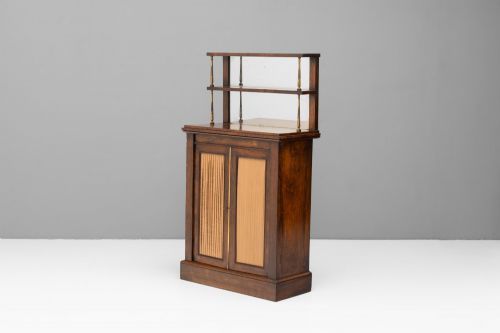
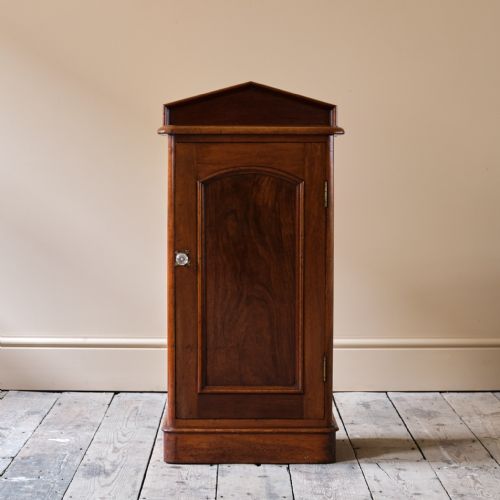
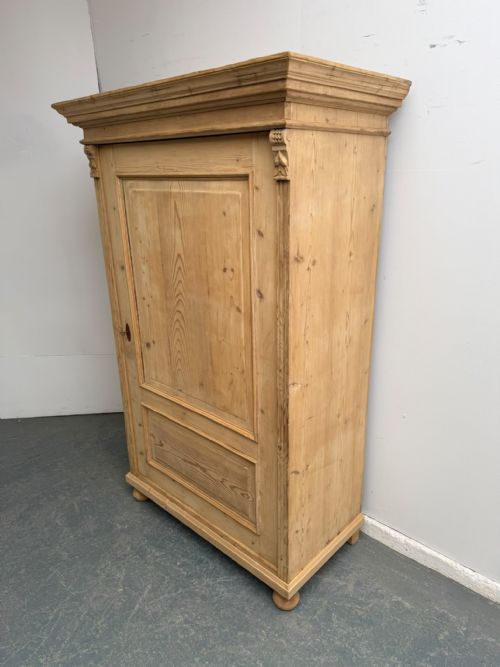
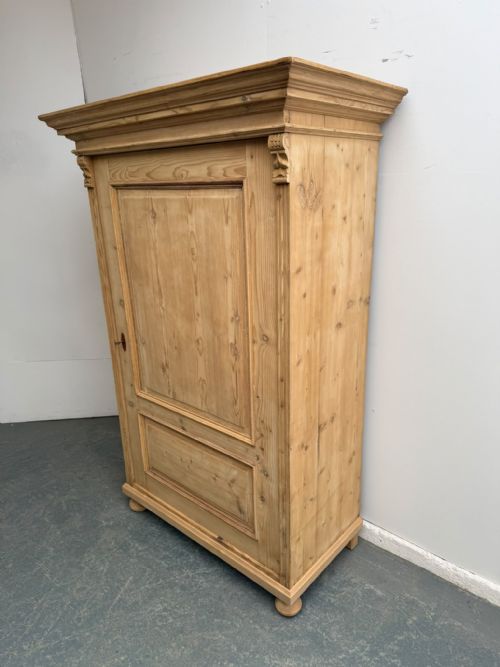
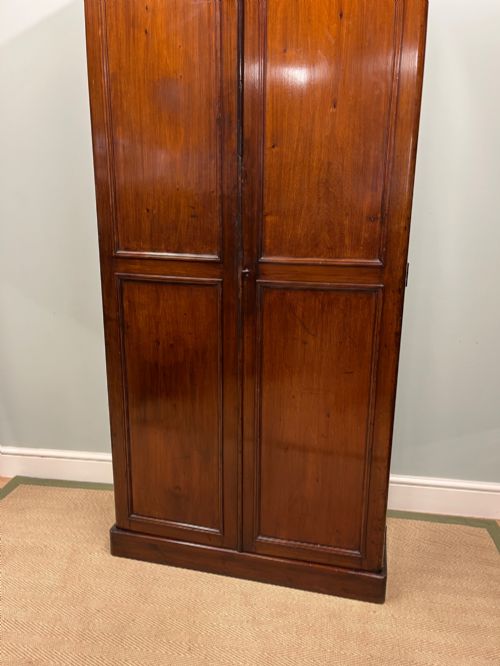

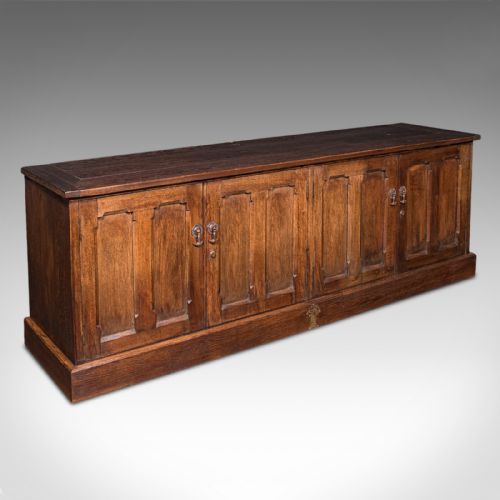
Victorian Panelled Door Cabinet
A victorian panelled door cabinet brings sturdy timber architecture and practical enclosed storage into a room.
Victorian Panelled Door Cabinet
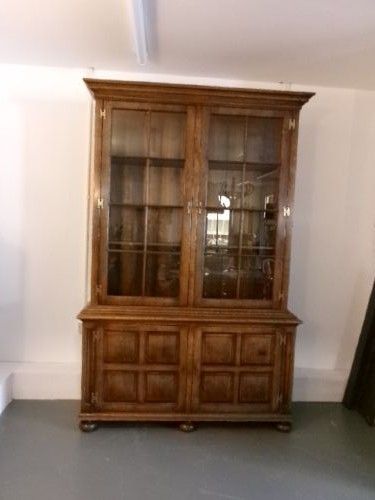
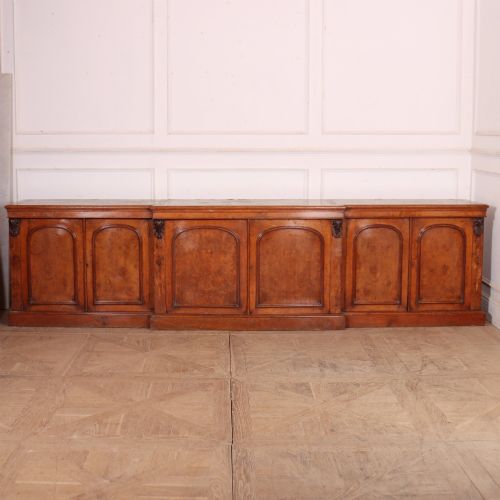
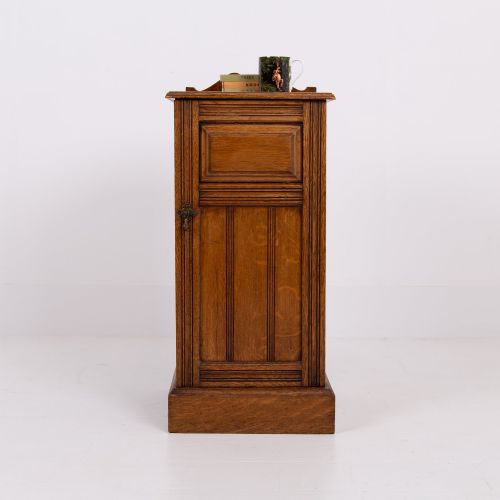
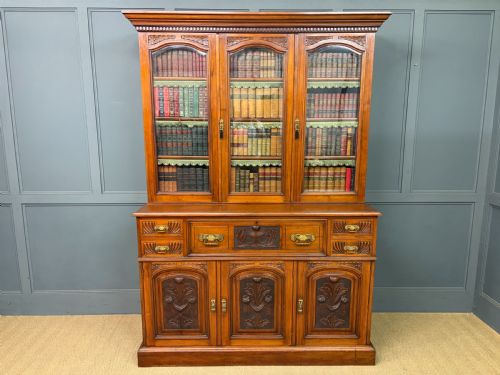
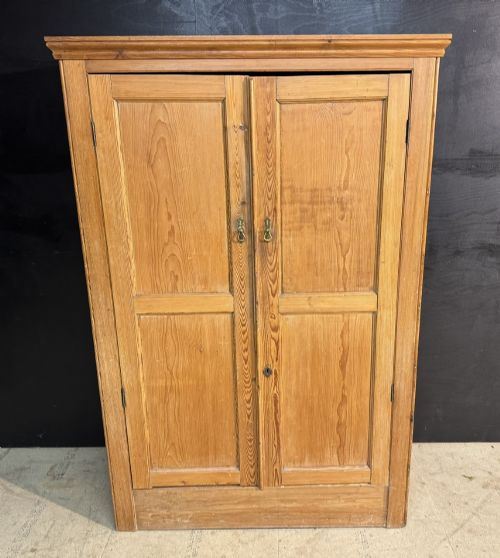
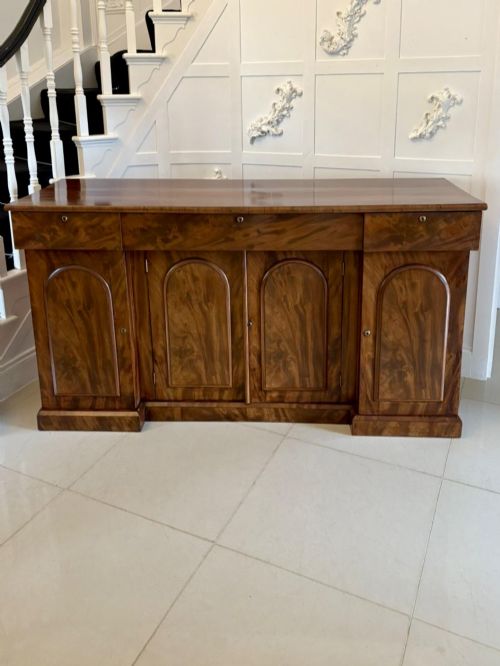
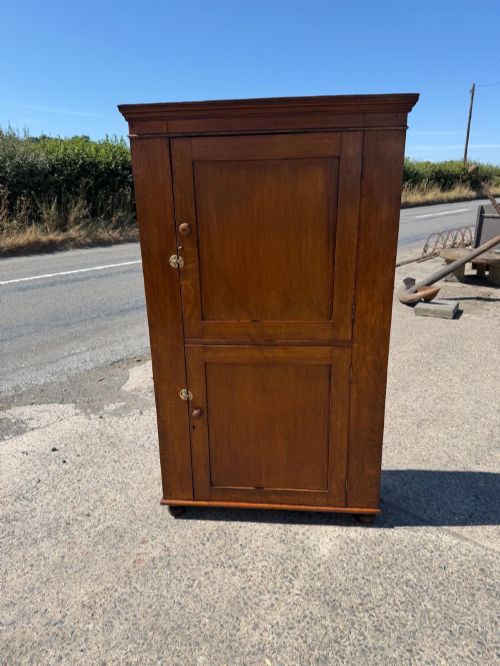
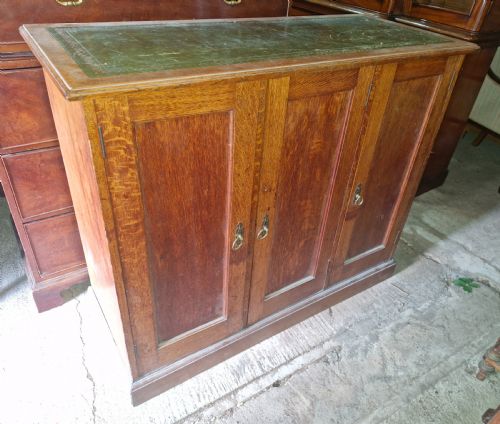
A victorian panelled door cabinet is a solid storage piece built with inset wooden panels within a frame, designed to keep contents hidden and protected. Buyers searching for a victorian panelled door cabinet will encounter various forms, including bedside cupboards, bedside cabinets, and two-door storage units.
The pieces appearing on this page span the nineteenth century, including specific dates such as eighteen fifty, eighteen sixty, eighteen seventy, and eighteen eighty, alongside general nineteenth-century and Victorian designations. Oak and pine dominate the utility end of these pieces, while mahogany and walnut serve finer domestic rooms.
Many items show regional or stylistic influences, stretching from plain country pine to Gothic Revival details and carved linenfold panels. Buyers are most likely to meet practical mahogany side cupboards and pine storage units with single or double doors.
How they were made
Cabinetmakers utilised solid timbers such as oak, pine, mahogany, and walnut, frequently applying mahogany veneers over secondary woods for polished surfaces. Frame and panel construction allowed the wood to expand and contract with seasonal humidity without splitting.
Joinery relied on traditional pegged or dovetailed joints rather than modern fasteners, ensuring rigid structural integrity over generations of use. Hardware consisted of cast brass handles, escutcheons, and iron hinges, screwed directly into the timber frame.
Surfaces were finished with wax, polish, or original paint layers, protecting the grain while developing a deep patina through handling.
Listings feature woods spanning mahogany, pine, oak, walnut, and satinwood, alongside brass and iron hardware.
What varies in quality
Quality rests primarily on the selection of timber and the precision of the joinery in the panel frames. Better pieces use thick, figured mahogany or well-selected oak with tight grain, whereas lower tiers rely on plain secondary woods or heavy veneer patching.
The finesse of the panel carving and the retention of original hardware, locks, and keys distinguish utilitarian workshop items from fine cabinetmaker output. Superior examples maintain crisp mouldings and smooth door operations without sagging hinges or warped timber.
Gillows
The Victorian Panelled Door Cabinet Glossary
- Fielded panel
- A wooden panel with bevelled edges that fit into a grooved frame, reducing weight while allowing the timber to move naturally. This construction method defines the classic appearance of a panelled door.
- Compactum
- A large, fitted wardrobe or multi-section cabinet combining hanging space, drawers, and shelving within a single unified case. These pieces offer extensive internal storage.
- Linenfold
- A style of carved wooden panelling that resembles folded fabric, popular in Gothic and revival furniture. It adds decorative texture to flat cabinet doors.
- Chiffonier
- A low sideboard or cabinet equipped with drawers and enclosed lower doors, often featuring a raised shelf or mirror back. They became common dining room and parlour pieces during the nineteenth century.
- Bun feet
- Rounded, slightly flattened wooden feet shaped like buns, commonly found supporting nineteenth-century cupboards and sideboards. They lift the cabinet base slightly off the floor.
Victorian Panelled Door Cabinet: Frequently Asked Questions
What is a victorian panelled door cabinet used for?
These cabinets served multiple domestic functions, from bedside storage for night items to larger cupboards holding linen, tableware, or books.
Today, they adapt easily to modern living rooms, hallways, or bedrooms as practical storage with period character.
How do I identify a Victorian cabinet?
Look for construction markers like hand-cut dovetails, solid secondary timbers, and traditional brass or iron hardware typical of the nineteenth century.
Stylistic cues such as Gothic Revival mouldings or rich mahogany and walnut veneers also point directly to the Victorian period.
Are pine cabinets different from mahogany ones?
Pine cabinets were generally built for utility spaces like larders, schools, and country sculleries, often featuring painted or waxed finishes.
Mahogany and walnut versions were destined for formal parlours and bedrooms, showcasing finer grain patterns and polished surfaces.
Can I paint a stripped pine cabinet?
Many pine cupboards were originally painted or designed to be painted, and contemporary listings frequently note suitability for waxing or painting.
Applying a traditional finish allows you to match the piece to your interior colour scheme while respecting the timber.