
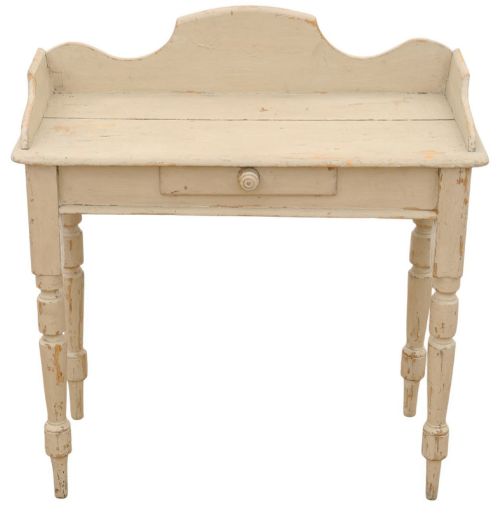
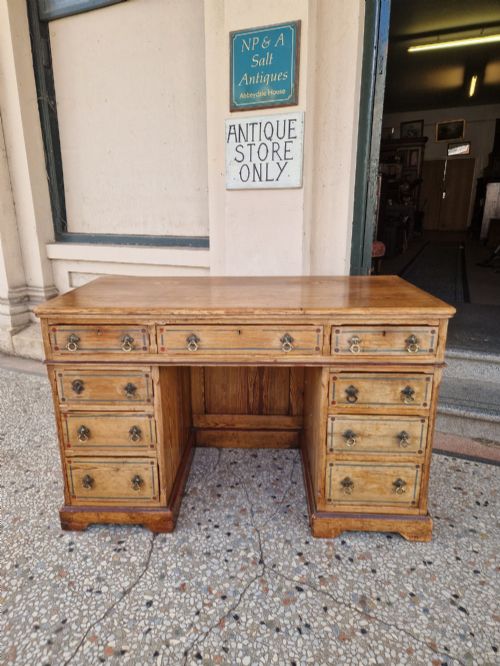
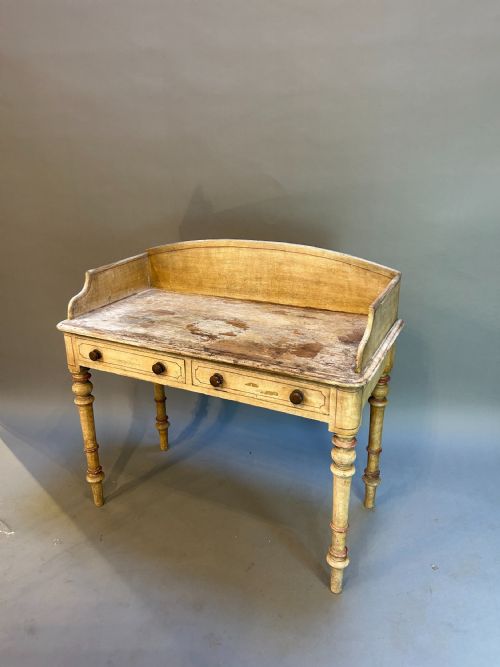



Victorian Painted Writing Desk
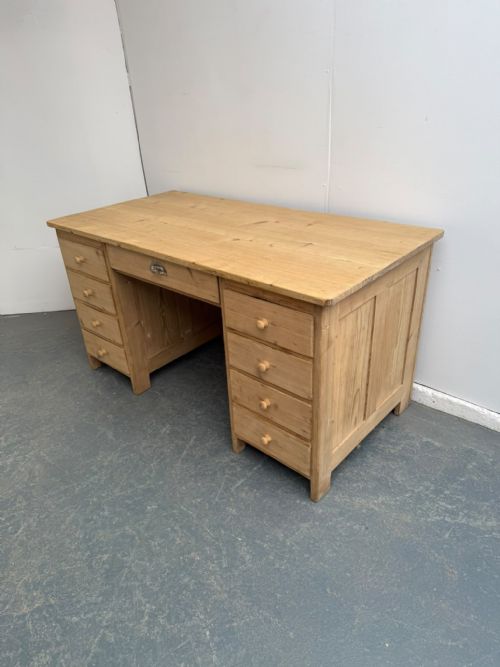
A victorian painted writing desk brings colour and utility into a room, offering a surface for correspondence finished in decorative paint.
Victorian Painted Writing Desk
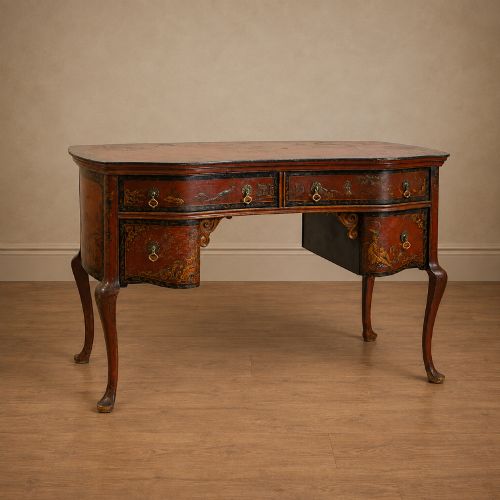
A victorian painted writing desk sits within a group of nineteenth-century furnishings that includes kidney-shaped tables, kneehole desks, and bureau forms. These pieces originate from the Victorian period, alongside examples dated across the nineteenth century from eighteen-fifty onwards.
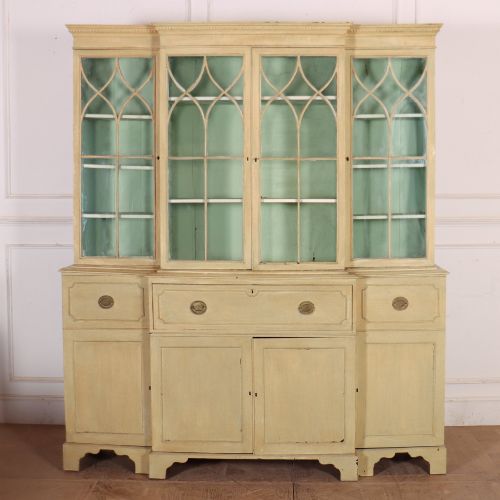
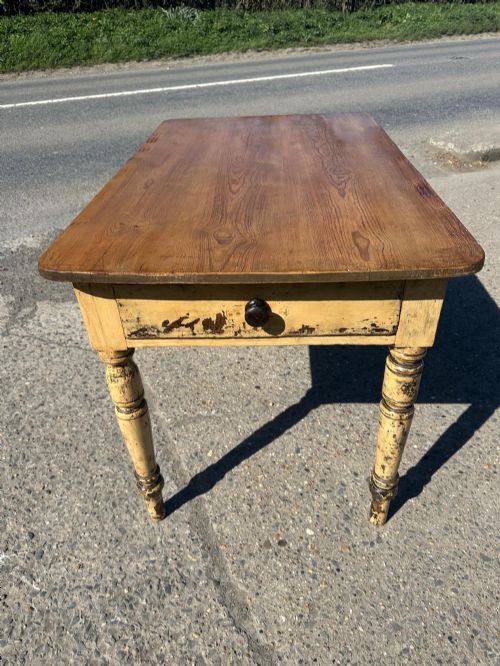
The most likely version to meet on this page is a pine or satinwood writing table finished with painted decoration. Alongside standard desks, the listings include related forms such as dressing tables, side tables, and secretaire bookcases.
Materials and Technique
These pieces utilise timber foundations such as pine, birch, and satinwood, often combined with applied paint surfaces and brass hardware. Cabinetmakers constructed the carcases using traditional joinery before applying decorative schemes.
Painted finishes range from simple coloured legs on pine tables to detailed Chinoiserie lacquering and hand-decorated satinwood surfaces. Supplementary materials like leather inserts, glass, and porcelain components appear on related desk sets and inkstands.
Listings for this phrase include pine, satinwood, and birch timbers, alongside painted finishes, brass fittings, and porcelain inset details.
Judging Quality
The standard of a painted writing desk depends largely on the execution of the decorative surface and the choice of underlying timber. Finer examples display careful hand-painted details or lacquerwork upon superior woods like satinwood rather than basic pine.
Proportion and the preservation of original painted schemes dictate the standing of a piece within the period. Desks retaining their untouched nineteenth-century surface finish carry greater integrity than later repainted versions.
The Victorian Painted Writing Desk Glossary
- Satinwood
- A durable timber with a natural golden sheen, frequently utilised for fine nineteenth-century desks and decorative furniture. It provides a pale ground well-suited to painted ornamentation.
- Chinoiserie
- A European artistic style reflecting Chinese motifs and decorative techniques. This style appears on lacquered tables and writing furniture from the period.
- Kidney-shaped
- A curved desk or table profile resembling a kidney bean. This form is particularly associated with late nineteenth-century dressing tables and writing desks.
- Bureau
- A sloping desk form that encloses a writing surface and small drawers. These pieces often feature fitted pigeonholes behind the fall front.
Victorian Painted Writing Desk: Frequently Asked Questions
What is a victorian painted writing desk used for?
These pieces served nineteenth-century households as functional surfaces for writing letters, managing correspondence, and keeping personal records.
Today, they function as compact work tables or decorative writing stations within a modern study or bedroom.
How do I care for the painted surface?
Protect the painted finish from direct sunlight and excessive moisture by placing the desk away from heat sources and windows.
Dust the surface gently with a dry cloth and avoid harsh chemical cleaners that might damage the historic paint layer.
Are these desks made of solid wood?
Nineteenth-century examples utilise solid timbers such as pine, birch, and satinwood for their construction. Secondary woods were frequently employed for internal drawer linings and structural framing.
Surface decoration was then applied directly to the prepared timber base using traditional paint or lacquer techniques.
How do I distinguish late victorian from earlier pieces?
Dating relies upon stylistic markers such as the presence of Sheraton Revival or Aesthetic Movement design elements, which typically emerge towards the end of the nineteenth century.
Construction methods and timber selection also assist in determining whether a piece dates from the mid-century or the eighteen-nineties.