


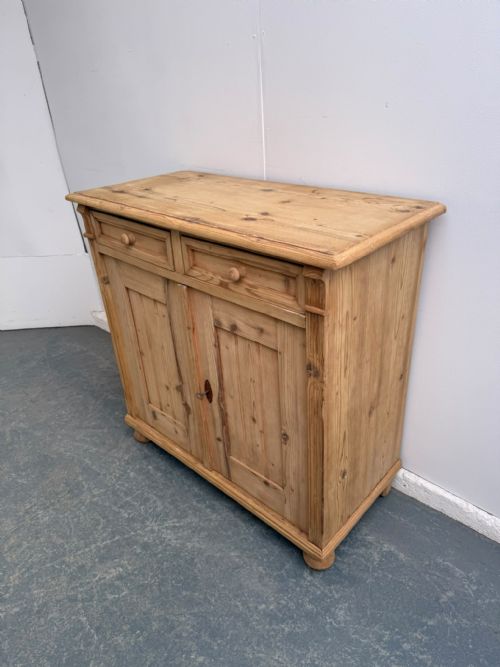
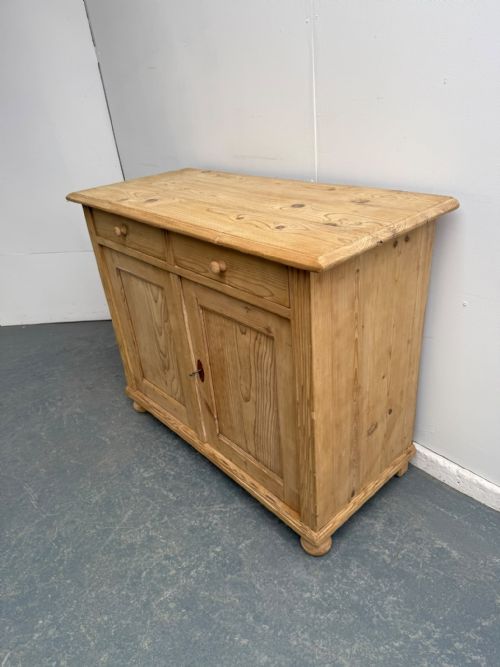
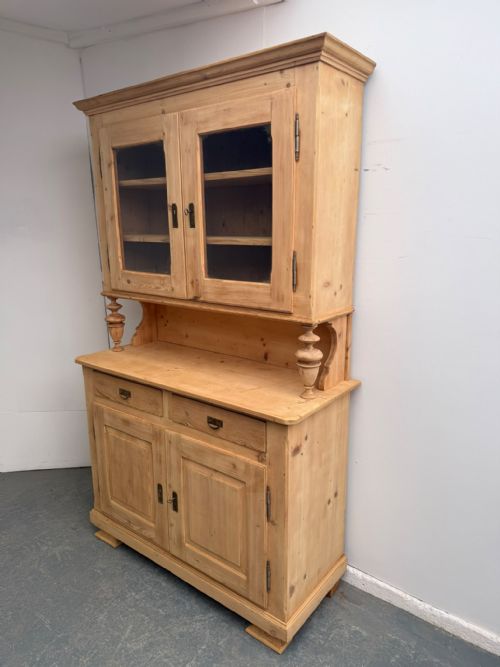
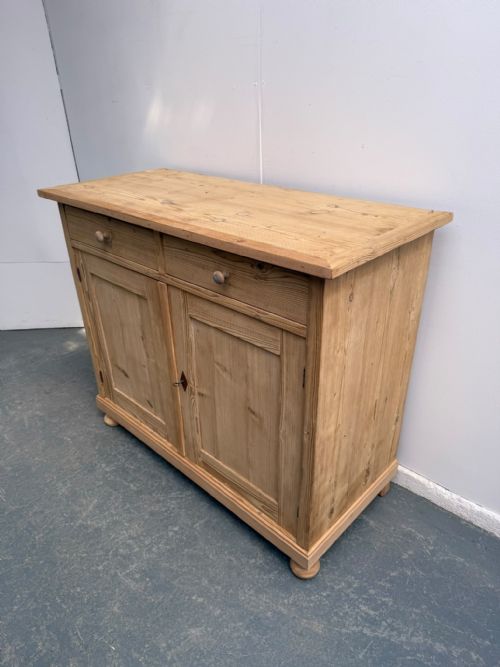
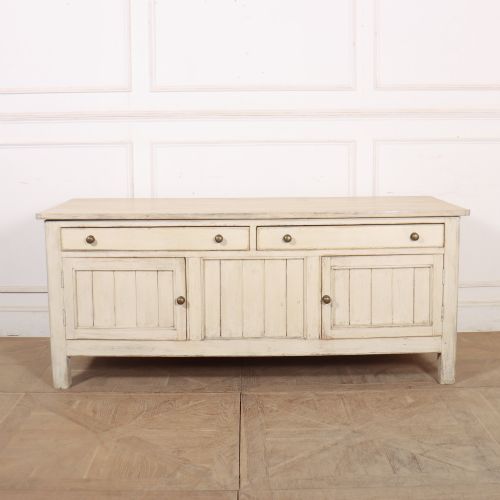
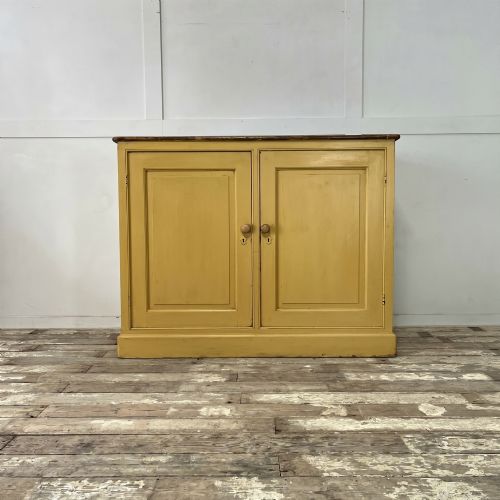


Victorian Painted Buffet Cabinet
These Victorian painted buffet cabinet pieces offer robust storage and decorative charm, crafted from pine, mahogany, and walnut.
Victorian Painted Buffet Cabinet
A victorian painted buffet cabinet combines utilitarian storage with surface decoration, taking forms such as dresser bases, kitchen dressers, sideboards, and cupboards. These items originate primarily from the nineteenth century, including specific dates around eighteen fifty, eighteen eighty, and eighteen ninety.
You will frequently encounter pieces constructed from pine, often retaining original paintwork, scumble paint, or finishes intended for waxing. Styles range from Victorian country and English country to French country, rustic farmhouse, Sheraton revival, and Renaissance revival.
The selection includes tall school cupboards, shallow dresser bases with bread slides, and cabinets on stands with carved walnut or hand sign-written mahogany. These varied object types served practical domestic and institutional functions across households and schools.
Materials and construction
Makers utilised solid timbers such as pine, mahogany, walnut, and satinwood, assembling frames with iron and brass hardware like hinges and handles. Glass panels occasionally appear in upper cabinet doors.
Surfaces received decorative treatments ranging from plain or scumble paint to floral painted details and hand sign-writing. Many pine examples were left prepared for waxing or painting by the buyer.
Victorian Painted Buffet Cabinet Retail Price Guide 2026
Typical asking prices for victorian painted buffet cabinet among the pieces listed under this phrase on Sellingantiques today, from the lower quarter to the upper quarter. They describe what is for sale here now, not the wider market.
Pine is the most prevalent wood found across these listings, frequently paired with original paint, scumble paint, or prepared surfaces for waxing.
Judging quality in these pieces
Quality rests on the survival of original paint surfaces versus later overpainting, alongside the crispness of carved details on walnut and mahogany items. Superior examples retain their authentic nineteenth-century finish and patination without excessive modern intervention.
Construction robustness also dictates worth, seen in tight joinery on drawers, doors, and bread slides. Heavier timber selection and intact iron or brass furniture elevate particular dresser bases and cupboards above standard utility pieces.
The Victorian Painted Buffet Cabinet Glossary
- Dresser Base
- A low sideboard or cabinet featuring cupboards and drawers, historically used for food preparation and storage in kitchens. These form a large portion of the available painted pieces.
- Scumble Paint
- A decorative technique involving translucent glaze dragged over a base coat to imitate finer grained woods like oak or walnut. It creates a textured, mottled appearance on pine furniture.
- Bread Slide
- A pull-out wooden board integrated into the upper section of a dresser base, traditionally used for slicing bread. This practical feature is particularly sought after in kitchen furniture.
- Chiffonier
- A small sideboard or low cupboard developed in the nineteenth century, often fitted with drawers and doors beneath a shelf. The evidence includes mahogany examples with hand sign-writing.
- Cabinet on Stand
- A raised storage compartment supported by a distinct frame or legs, offering elevated access. Walnut versions from the nineteenth century display this architectural arrangement.
Victorian Painted Buffet Cabinet: Frequently Asked Questions
What is a Victorian painted buffet cabinet?
These items are nineteenth-century storage furniture pieces, including dresser bases, cupboards, and sideboards, typically constructed from pine and finished with paint.
They served functional roles in kitchens, hallways, and dining spaces, combining practical shelving and drawers with decorative painted surfaces.
How do I care for original paint?
Preserve original nineteenth-century paint finishes by dusting gently with a dry cloth and avoiding harsh chemical cleaners or abrasive materials.
Keep the timber away from direct heat sources and strong sunlight to prevent the paint from cracking, fading, or lifting over time.
Where were these cabinets used?
Kitchen dressers and buffet cabinets belonged in domestic cooking and dining areas for storing dishware, provisions, and utensils. Other variations like school cupboards stood in institutional settings.
Their robust construction made them suitable for heavy daily use in busy working environments across the country.
How can I date a painted cabinet?
Dating relies on timber types, construction methods, and stylistic cues such as Sheraton revival motifs or specific paint treatments like scumble. Nineteenth-century pieces often display hand- cut joints and period hardware.
Examining the wear patterns on interior shelves and drawer runners also helps confirm age.