

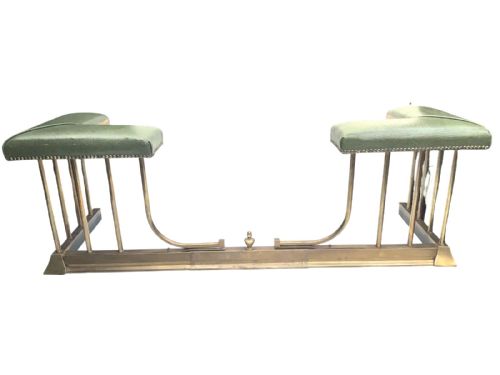


Victorian Padded Bench
These Victorian padded bench designs provide a practical and decorative seat, bringing nineteenth-century comfort directly to your hallway or fireside.
Victorian Padded Bench
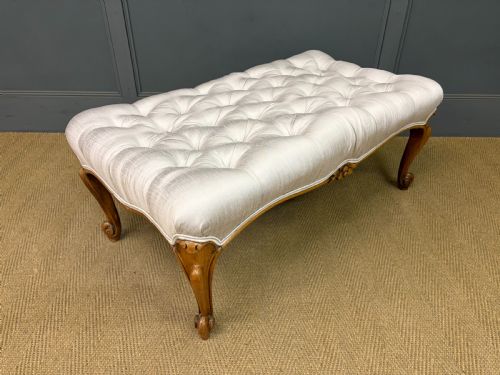
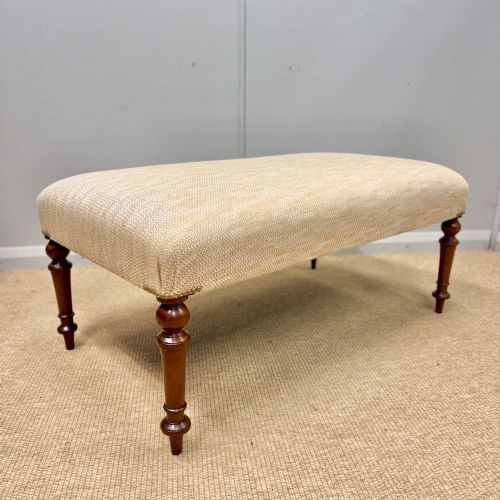
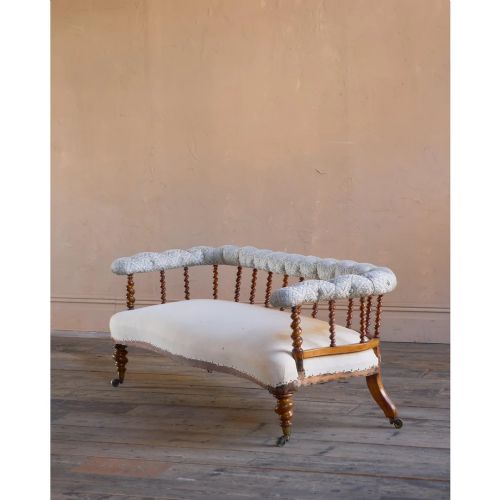
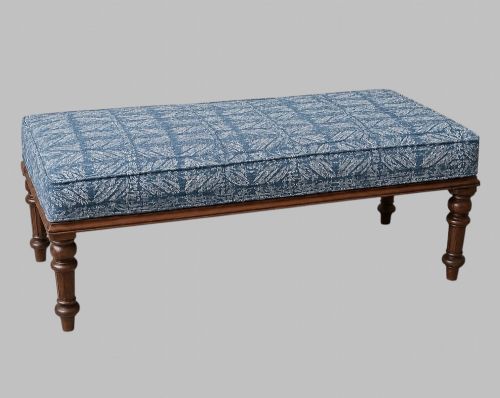
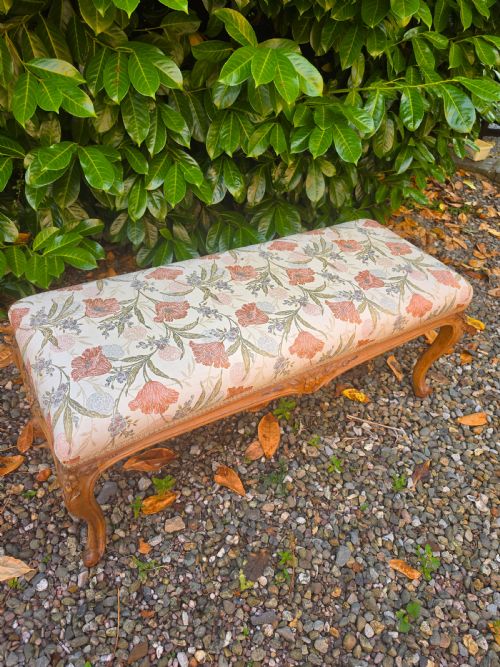
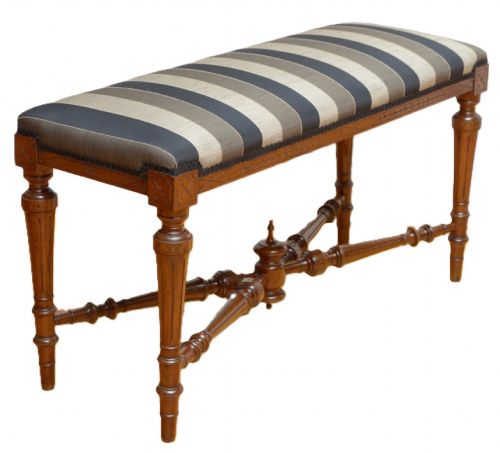
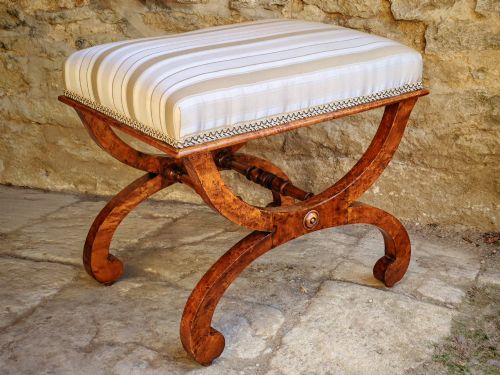
A victorian padded bench encompasses low footstools, long window seats, hall benches, and substantial club fenders designed for nineteenth-century domestic interiors. Buyers searching for this phrase encounter various timber frames and metal hearth seats ranging from the eighteen-sixties through to the nineteen-twenties.
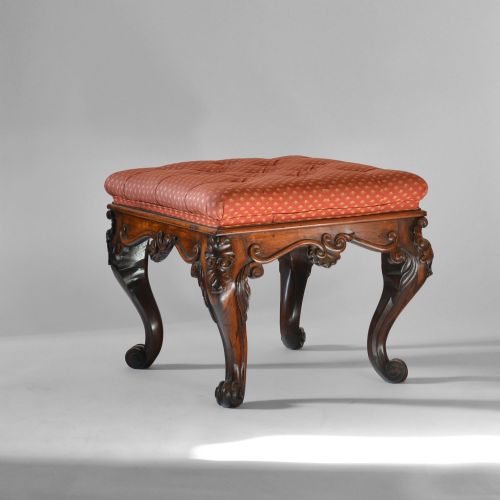
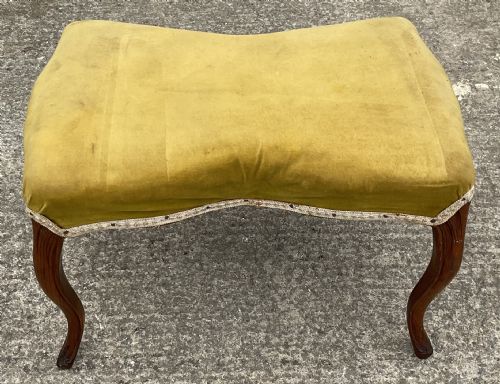
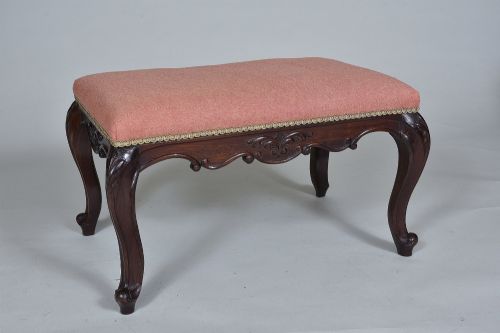
The selection on this page relies heavily on walnut, mahogany, and brass constructions, often paired with modern or period upholstery. Forms extend from cabriole-legged dressing table stools to steel and leather fire surrounds.
Makers and workshops of the period utilised stylistic influences spanning from English country house to Gothic Revival and Rococo Revival. Most pieces combine functional seating with decorative textiles, leather, or velvet pads.
Evaluating Quality
The distinction between ordinary and superior pieces rests on timber selection and frame carving quality. Solid walnut and rosewood structures with deeply carved cabriole legs demonstrate greater workshop skill than simpler pine or softwood carcasses.
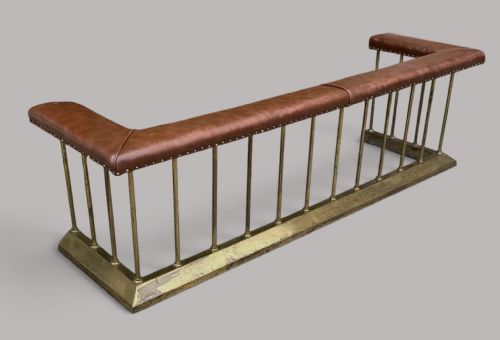
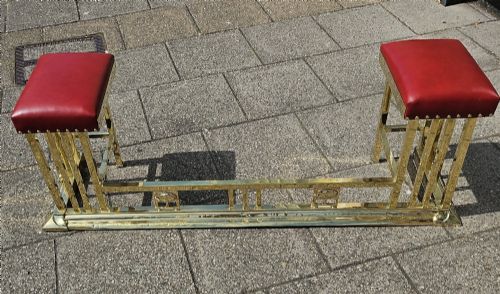
Metalwork finish also separates standard items from the best examples. Heavy brass or cast steel club fenders with well-preserved patination and substantial leather seats hold a distinct advantage over lighter, less robust hearth furniture.
One steel club fender originates directly from the In & Out Club, adding a distinct touch of London gentlemen's club history to your hearth.
C. Hindley & Sons
The Victorian Padded Bench Glossary
- Club fender
- A low, padded metal seat placed around a fireplace hearth. These brass and steel frames provide convenient fireside seating.
- Window seat
- A long, narrow bench designed to fit beneath a window recess. They frequently feature upholstered tops and polished wooden legs.
- Cabriole leg
- A furniture leg that curves outward and then tapers inward. This stylistic element appears frequently on nineteenth-century walnut and mahogany stools.
- Ottoman
- A low, cushioned seat or footstool without a back or arms. Some nineteenth-century variants include internal storage or reversible daybed functions.
- Giltwood
- Wood that has been treated with gold leaf or a gold-coloured finish. This decorative technique highlights carved details on formal nineteenth-century frames.
Victorian Padded Bench: Frequently Asked Questions
What is a club fender?
A club fender is a metal hearth frame topped with leather upholstery that surrounds an open fireplace. It provides both a structural guard and extra seating within the room.
These pieces typically incorporate brass or steel uprights and heavy leather top rails for durability against heat and daily use.
Where should I place a window seat?
Window seats suit hallways, bedrooms, and reception rooms alongside their traditional position beneath low windows. Their narrow proportions allow them to fit easily into transitional spaces.
They offer a practical resting place without obstructing room layouts or natural light.
Are these benches newly upholstered?
Many listings feature either newly applied fabric or original period textiles, depending on the individual piece's history. Upholstery choices range from plain linen to traditional leather and velvet.
Buyers should check individual descriptions to confirm whether the padding and covering are recent replacements or historical survivals.
How do I identify a Victorian piece?
Victorian seating is identified through timber choices such as mahogany and walnut, alongside characteristic revival styles like Gothic and Rococo. Construction methods and joinery details confirm the nineteenth-century origin.
Makers often utilised dense hardwoods and castors to support substantial padded frames during this era.