


Victorian Ornate Gold Frame
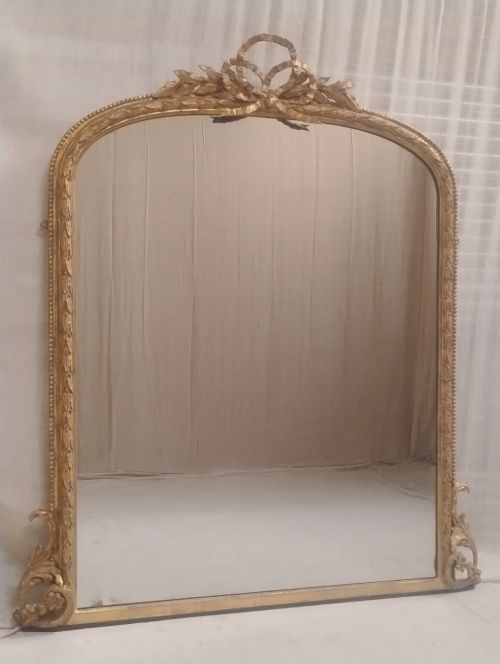
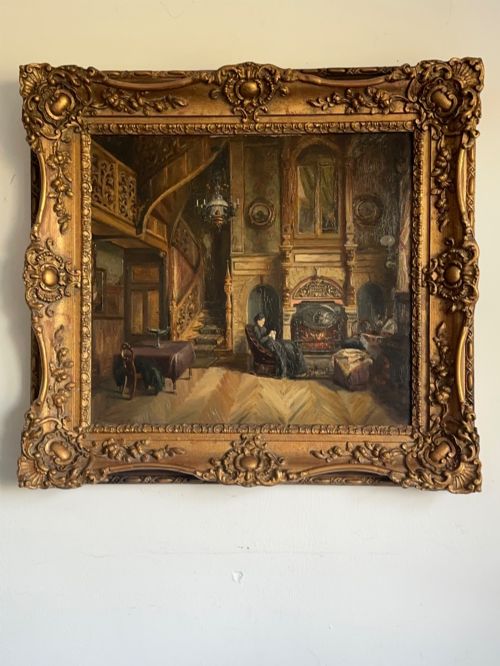
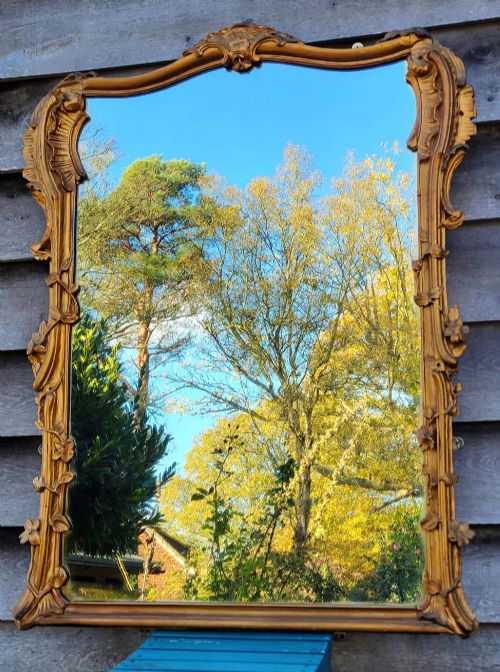
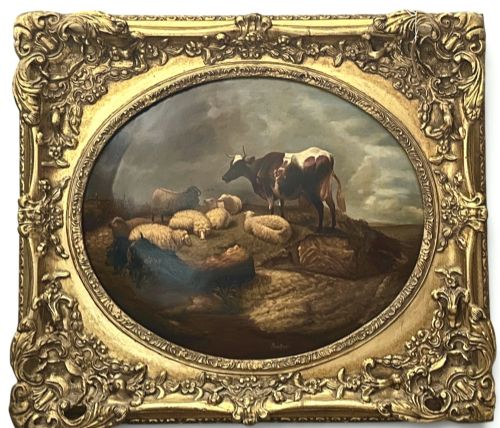
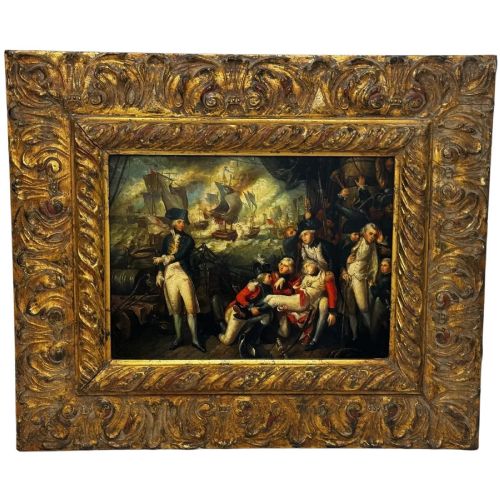
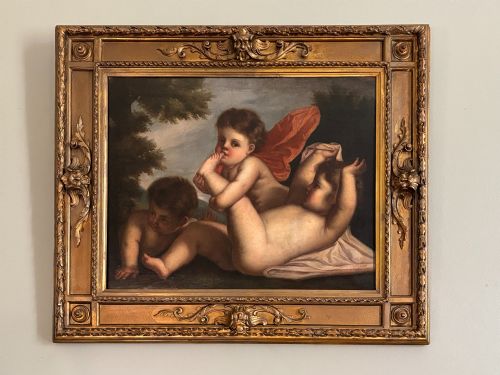
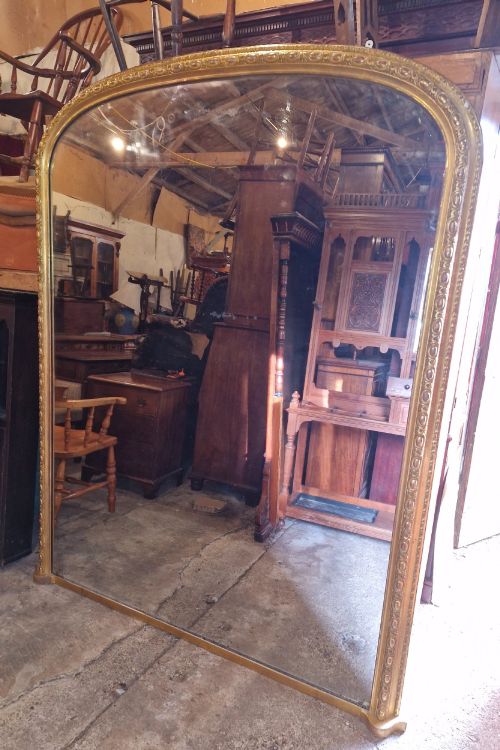
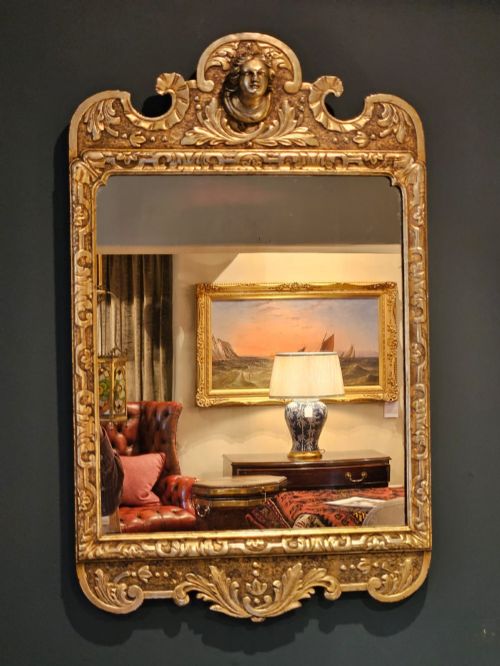
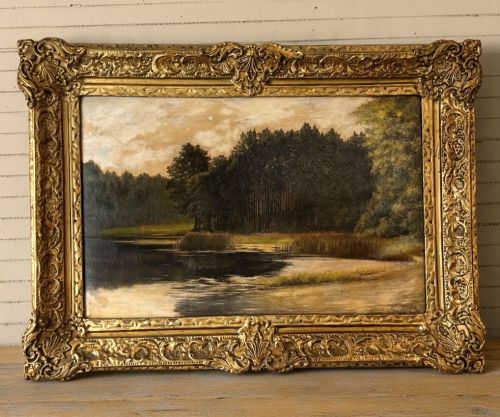
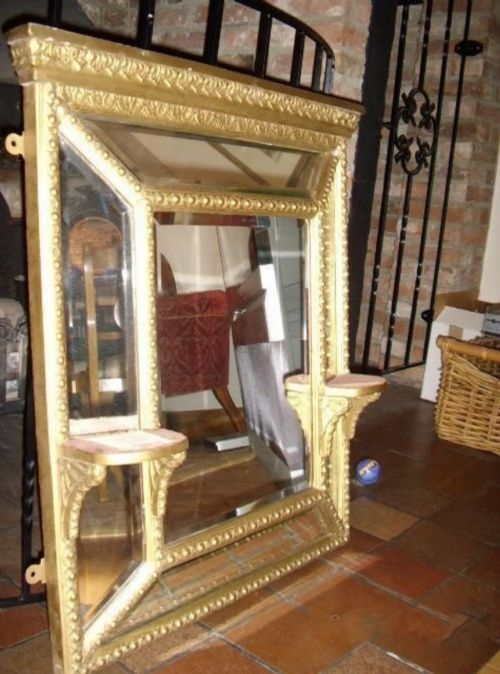
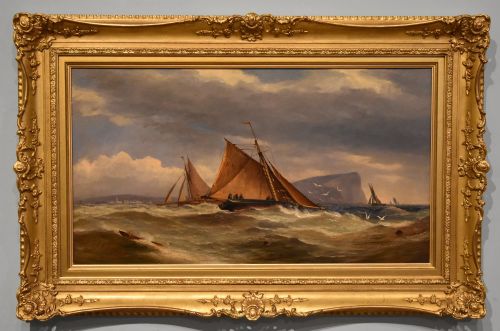
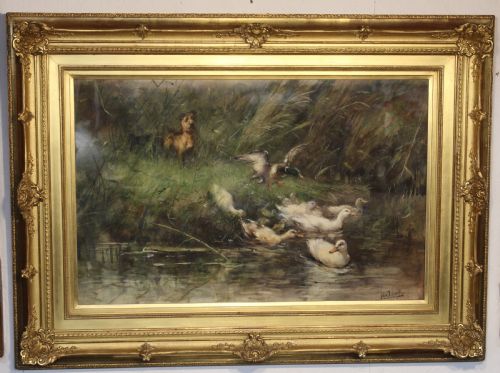
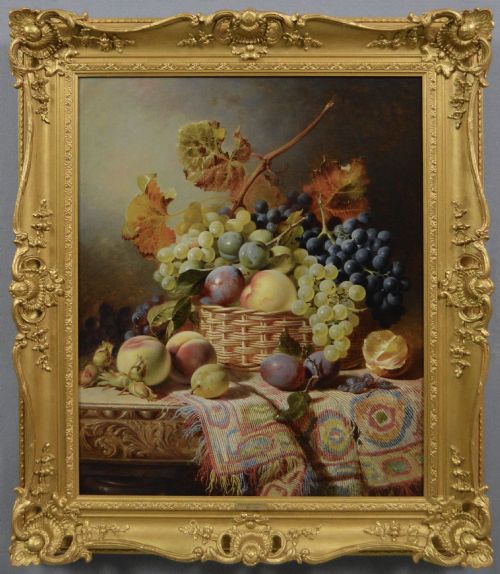
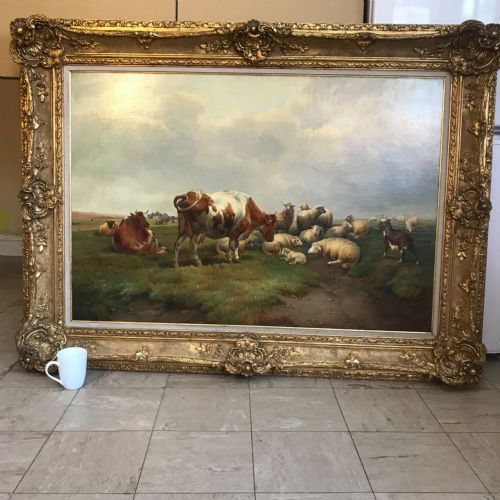
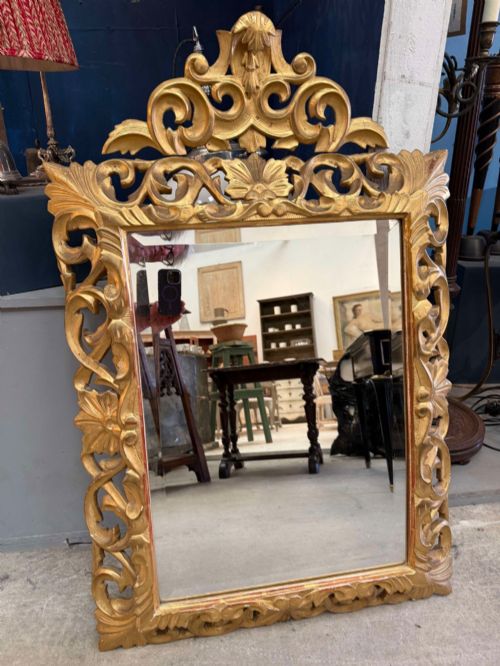
A victorian ornate gold frame brings a rich, gilded focal point to a room, framing mirrors and oil paintings with heavy nineteenth-century moulding.
Victorian Ornate Gold Frame
A victorian ornate gold frame most frequently appears here enclosing large wall mirrors, overmantel mirrors, and oil paintings on canvas or panel. The pieces span the nineteenth century, drawing heavily on Rococo revival, Florentine, and French chateau styles with elaborate crests and carved details.
Makers and artists range from nineteenth-century painters to specialist mirror carvers, producing deep profiles and shaped tops designed to catch the light. Buyers encounter both pier glasses for narrow spaces and massive overmantels built to sit above fireplaces.
How they were made
Craftsmen shaped these items from timber bases, applying coats of gesso to build up high-relief scrolls, leaves, and vine motifs before gilding the surface with gold leaf. Giltwood and gilt plaster components were joined carefully, creating deep hollow frames designed to hold heavy glass mirror plates or oil paintings.
The combination of carved wood, moulded gesso, and applied metal leaf gives each piece its distinctive metallic sheen and heavy physical structure. Artisans utilised traditional joining methods for the timber frames, ensuring stability across large overmantel mirrors and picture surrounds.
Victorian Ornate Gold Frame Retail Price Guide 2026
Typical asking prices for victorian ornate gold frame among the pieces listed under this phrase on Sellingantiques today, from the lower quarter to the upper quarter. They describe what is for sale here now, not the wider market.
Listings feature pieces spanning from eighteen-fifty to nineteen-ten, encompassing Victorian, Edwardian, and Regency periods.
What varies in quality
The depth and crispness of the carved wood or moulded gesso define the upper tier of these pieces, showing sharp undercut foliage rather than soft, flat detail. Superior examples display harmonious proportions across large overmantel formats without distortion in the heavy giltwood borders.
The quality of the gilding itself marks a clear division, with skilful application of gold leaf retaining its lustre and texture over generations. Master carvers achieved intricate depth in the crests and corners, while simpler work relied on plain moulded plaster.
The Victorian Ornate Gold Frame Glossary
- Gesso
- A plaster mixture applied to wood bases as a smooth surface for gilding. It allows carvers to model intricate raised patterns and scrolls.
- Giltwood
- Timber that has been coated in gold leaf or gold paint. This material forms the primary structure of many ornate nineteenth-century frames and mirrors.
- Overmantel Mirror
- A large mirror specifically designed to hang above a fireplace mantelpiece. These pieces often feature elaborate arched crests and heavy gilt frames.
- Pier Glass
- A tall, narrow mirror designed to hang on the wall space between windows. They frequently match smaller console tables or decorative brackets.
- Rococo Revival
- A nineteenth-century design style emulating the asymmetric scrolls, curves, and natural motifs of the eighteenth-century French Rococo movement.
Victorian Ornate Gold Frame: Frequently Asked Questions
How do I hang a heavy overmantel mirror?
These substantial gilt pieces require secure wall anchors fixed directly into masonry or heavy studwork to support their considerable weight.
Professional mirror installers use heavy-duty French cleats or steel brackets rated for large timber and glass objects.
Can I place these mirrors in a bathroom?
High humidity and steam can damage the traditional gesso layers and cause moisture to creep behind the silvered glass plate.
Dry living rooms, hallways, and above fireplaces remain the ideal environments for preserving nineteenth-century gilded surfaces.
How do I clean an antique gold frame?
Dust the ornate mouldings gently with a soft, dry brush to remove particles without disturbing the delicate gold leaf layers.
Avoid water, liquid cleaners, and chemical solvents entirely, as moisture strips nineteenth-century gilding instantly.