
Victorian Ormolu Cabinet
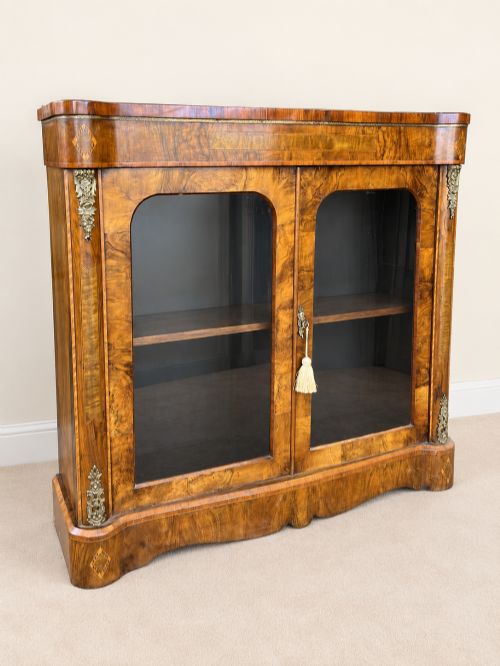
A victorian ormolu cabinet combines richly figured timber with gleaming gilt bronze mounts to anchor a formal nineteenth-century interior.
Victorian Ormolu Cabinet
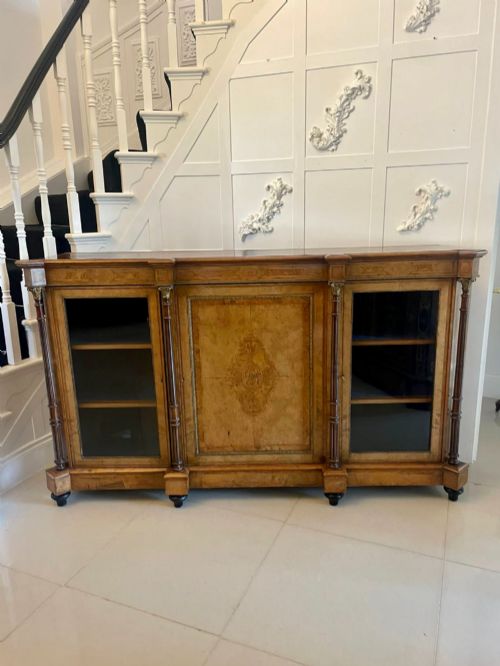
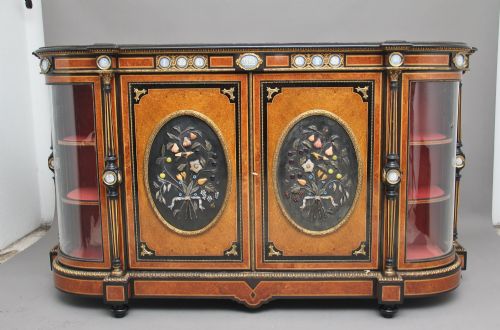
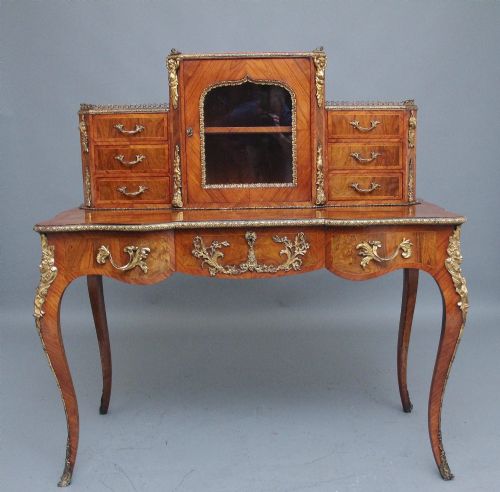
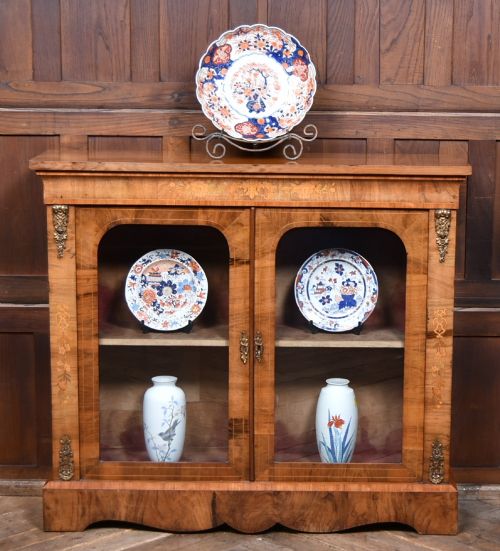
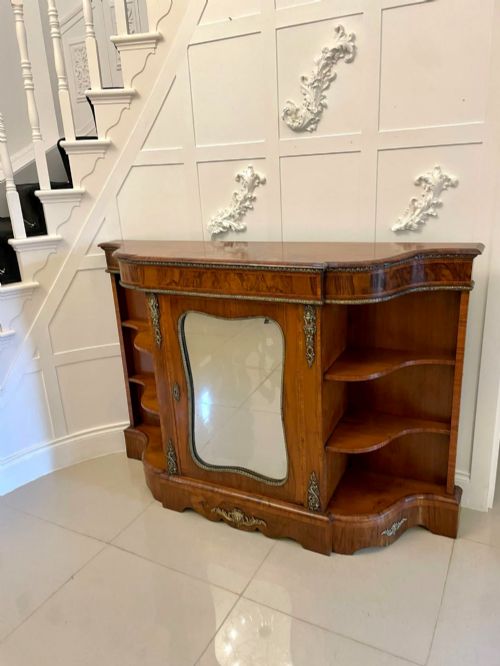
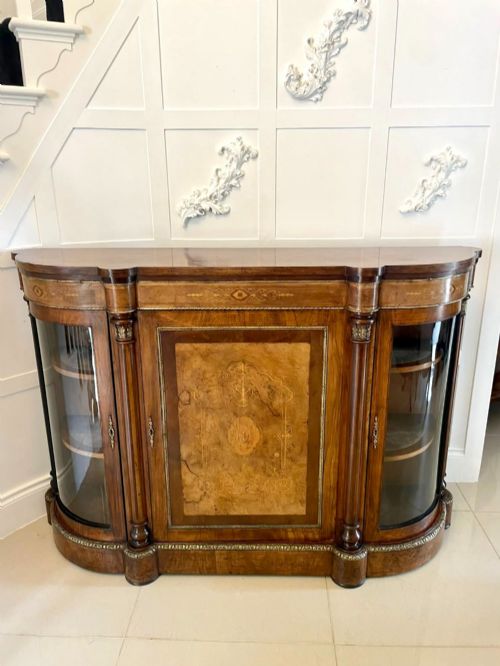
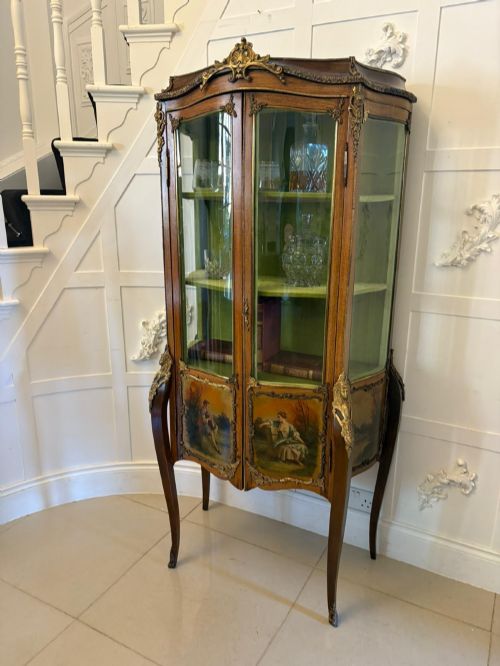
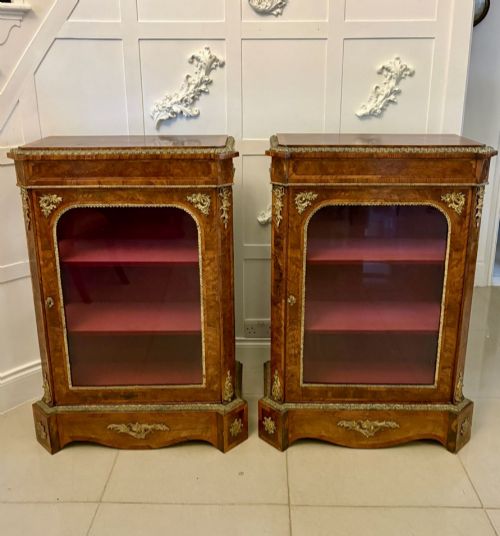
Buyers seeking a victorian ormolu cabinet will encounter credenzas, pier cabinets, and glazed display pieces originating mainly across the second half of the nineteenth century. These forms reflect nineteenth-century revival styles, notably French Rococo and Louis XV revivals alongside English craftsmanship.
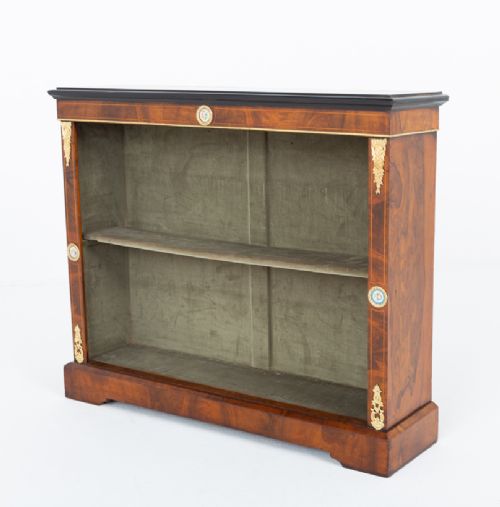
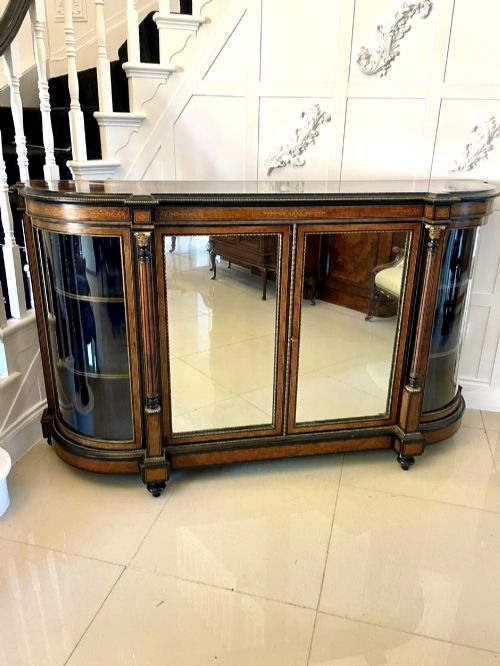
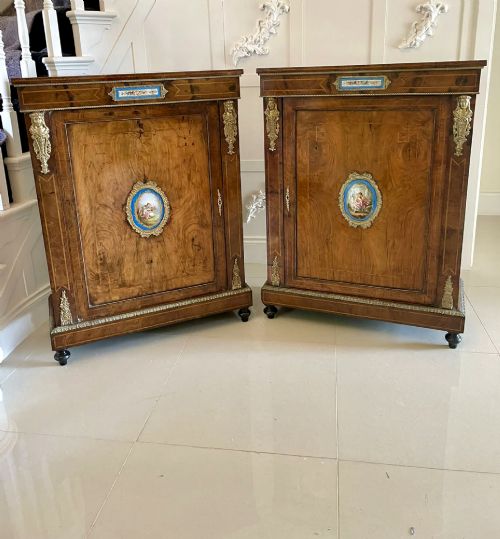
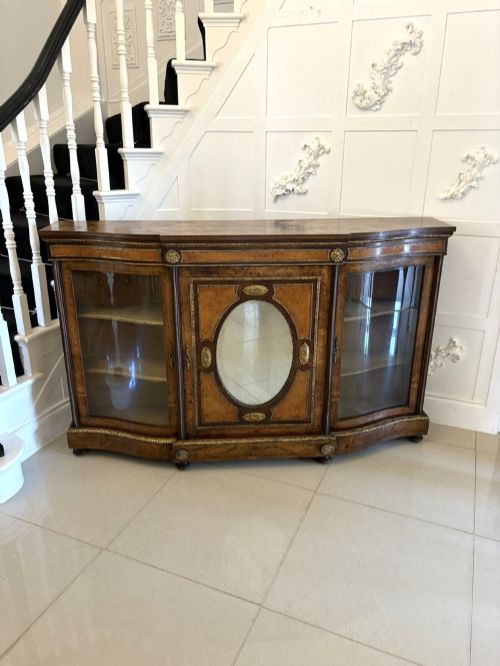
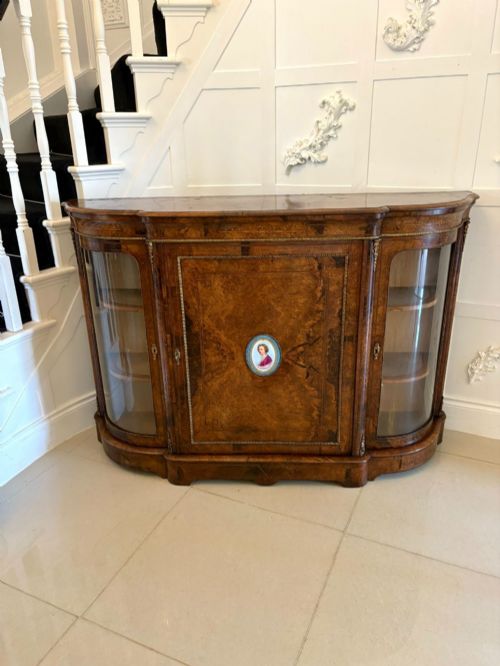
Credenzas dominate the larger side of the selection, frequently featuring curved serpentine fronts and mirrored doors flanked by glazed side compartments. Pier cabinets offer a narrower profile suited to specific wall spaces between windows, while open bookcases and smaller side cabinets appear regularly.
Timbers, marquetry, and cast bronze mounts
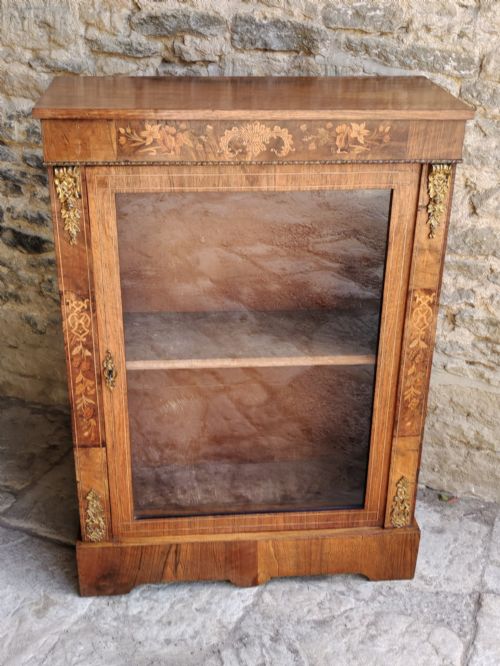
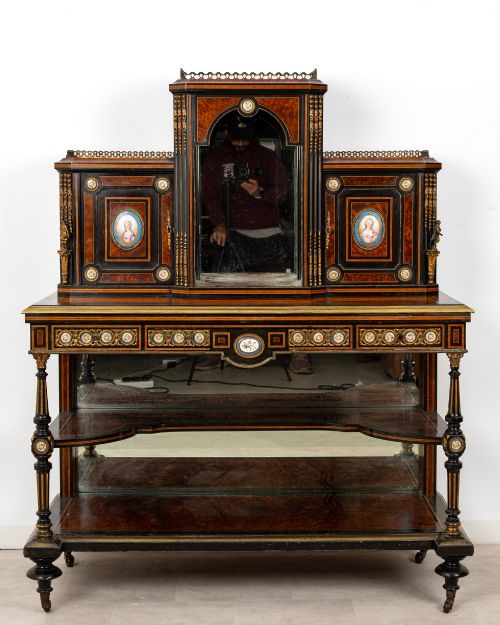
Makers utilised dense native and exotic timbers as carcases, surfacing them with burr walnut, rosewood, kingwood, amboyna, or ebonised wood. Intricate floral marquetry inlay and contrasting stringing adorn the primary surfaces of many examples.
Ormolu, or gilt bronze, was cast and chased into decorative mounts that accent the corners, borders, and feet. Porcelain plaques and painted Sevres-style inserts frequently supplement the bronze mounts and wooden marquetry.
Several cabinets include secret compartments designed to hide valuables behind decorative marquetry panels.
Distinctions in construction and mount crispness
The precision of the ormolu chasing separates standard production from exceptional pieces, as finer mounts retain sharp relief and deep gilding rather than soft, flat casting. Cabinetwork quality shows in the tight fit of doors, the regularity of marquetry cutting, and the depth of figure in the burr walnut veneer.
Makers known for high-status commissions integrated porcelain plaques and mirrored glass with greater architectural cohesion. The presence of workshop signatures or stamps confirms the standard of cabinet-making beneath the decorative surface.
Johnstone and Jeanes·Gillows·Edward Holmes Baldock·Maison Gagneau·Maple and Co
The Victorian Ormolu Cabinet Glossary
- Ormolu
- Gilt bronze mounts applied as decorative highlights to nineteenth-century furniture. The technique involves treating brass or bronze with a gold amalgam.
- Credenza
- A low cabinet featuring a central door and glazed side sections. This form frequently stands against a principal dining or drawing room wall.
- Pier Cabinet
- A narrow freestanding cabinet designed to fit wall spaces between windows. These pieces often feature a single glazed door enclosing velvet-lined shelves.
- Marquetry
- Decorative patterns formed by fitting contrasting veneer slices onto a carcase. Floral motifs and geometric banding appear frequently across these pieces.
- Burr Walnut
- Timber taken from walnut tree growths that display complex, swirling grain patterns. It serves as a primary decorative veneer on high-status cabinets.
Victorian Ormolu Cabinet: Frequently Asked Questions
What is a credenza?
A credenza is a low nineteenth-century cabinet designed for formal reception rooms, usually comprising a central cupboard flanked by curved glass doors.
These pieces provide surface display space alongside enclosed storage for porcelain or silver.
How do I spot French influence?
French influence appears through Louis XV revival curves, intricate floral marquetry, and heavy ormolu mounts framing the doors and corners.
Cabinets often incorporate painted porcelain plaques reminiscent of Sevres factory production alongside ebonised wood surfaces.
Where should I place a pier cabinet?
A pier cabinet fits narrow wall sections between windows or architectural doorways where larger sideboards cannot go.
Their slim proportions allow them to hold small collections of glass or ceramics without dominating the room.
How do I care for burr walnut?
Burr walnut requires stable room humidity and protection from direct sunlight to prevent veneer cracking and fading.
Polishing should remain minimal, relying on soft cloths to maintain the natural sheen of the timber.