




Victorian Occasional Cabinet
These pieces gather under the name victorian occasional cabinet to serve smaller rooms with fitted storage or display surfaces.
Victorian Occasional Cabinet
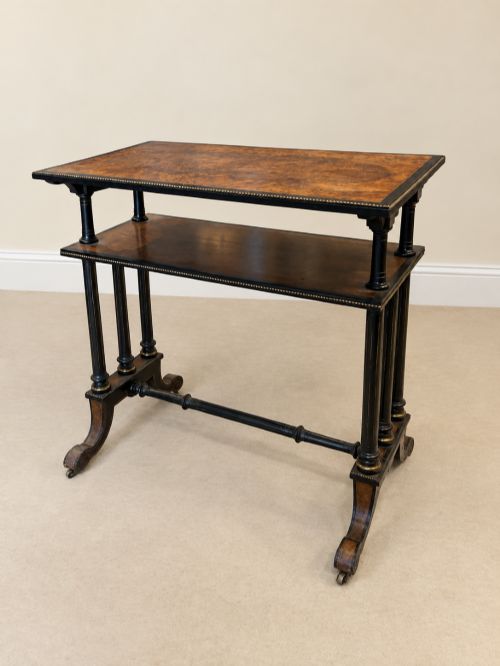
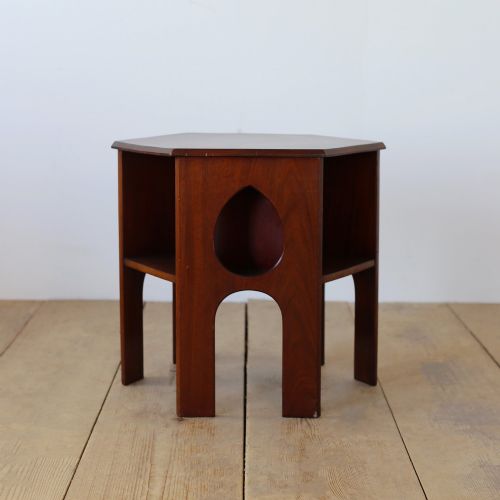
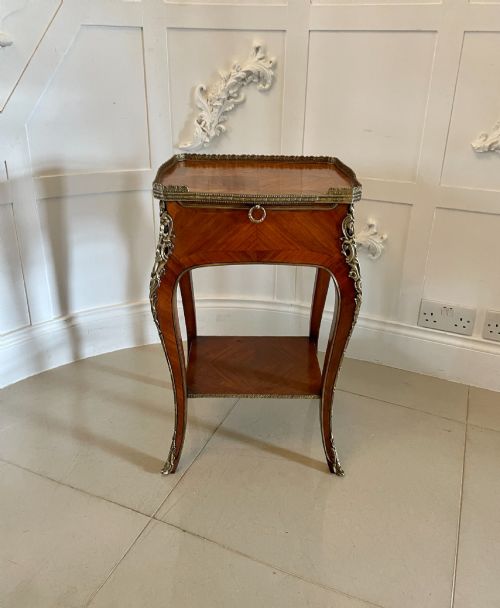
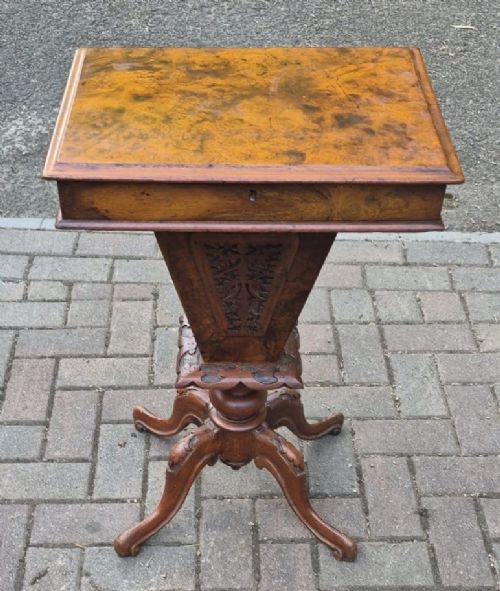
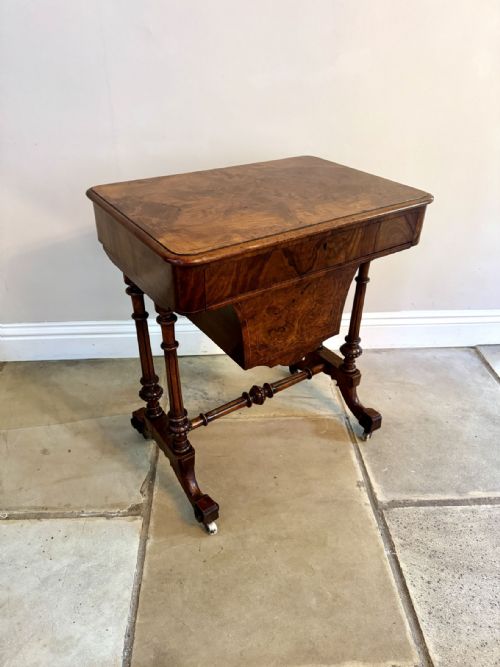
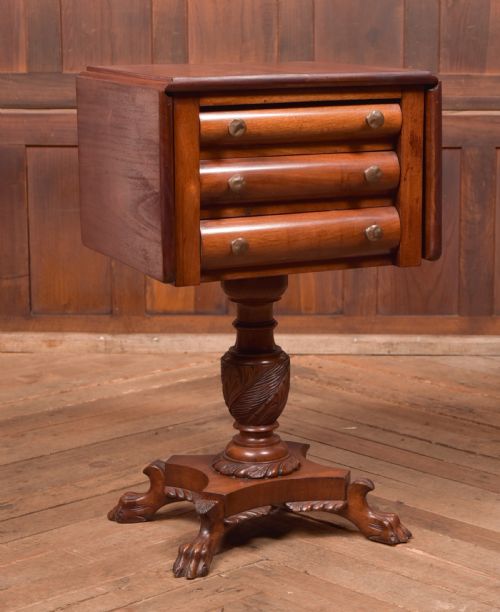
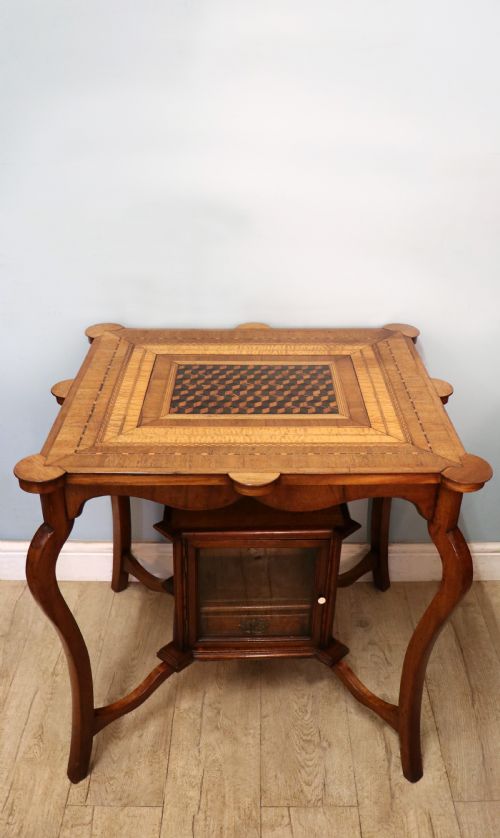
A victorian occasional cabinet encompasses multifaceted side pieces designed for domestic utility and display across the nineteenth century. These forms include work tables, sewing tables, bijouterie, canterburys, whatnots, and bedside tables that fulfill specific household tasks.
Mahogany and walnut predominate alongside rosewood, satinwood, and kingwood, often enhanced with marquetry or brass mounts. Construction spans the Victorian period from mid-century examples through to late nineteenth-century productions in Aesthetic and Japonisme styles.
The buyer encounters versatile items ranging from drop-leaf tables to multi-tiered display stands and combination smoking cabinets. These works adapt readily to modern interiors while retaining their nineteenth-century character.
Materials and construction
Cabinet makers utilised solid and veneered timbers including burr walnut, mahogany, and satinwood, frequently employing contrasting boxwood and ebony stringing for inlaid surface decoration. Ormolu mounts and brass hardware accent select pieces, while specialised items incorporate glass panels for display purposes.
Structural forms rely on traditional joinery methods combined with turned supports, carved walnut elements, and tiered frameworks. Artisans applied polished finishes to highlight the natural figures of walnut and mahogany grains.
Victorian Occasional Cabinet Retail Price Guide 2026
Typical asking prices for victorian occasional cabinet among the pieces listed under this phrase on Sellingantiques today, from the lower quarter to the upper quarter. They describe what is for sale here now, not the wider market.
Listings feature woods such as mahogany, walnut, burr walnut, satinwood, and kingwood across the Victorian period.
Judging quality and execution
Quality rests upon the selection of timber figures, such as highly figured burr walnut or rich mahogany, matched with precise inlay work. The crispness of carved wooden details and the integration of brass mounts or glass distinguish superior pieces.
Structural integrity and the retention of original fittings, drawers, and interior compartments elevate an example. Pieces displaying defined stylistic influences like Japonisme or the Aesthetic Movement show particular craftsmanship in their execution.
Gabriel Viardot·Liberty and Co·Waring and Gillow
The Victorian Occasional Cabinet Glossary
- Bijouterie
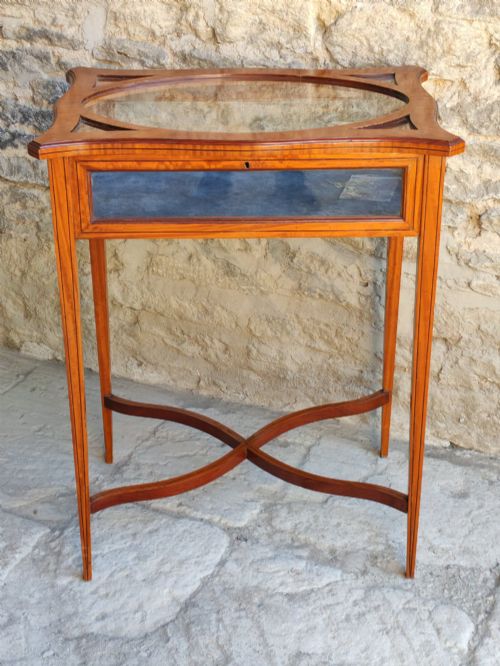
- A glass-topped display table or cabinet designed for showcasing small ornaments, medals, or precious items. These pieces often feature hinged lids lined with fabric.
- Canterbury
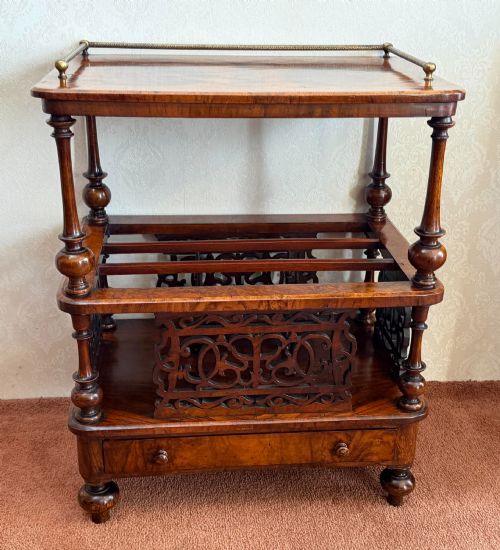
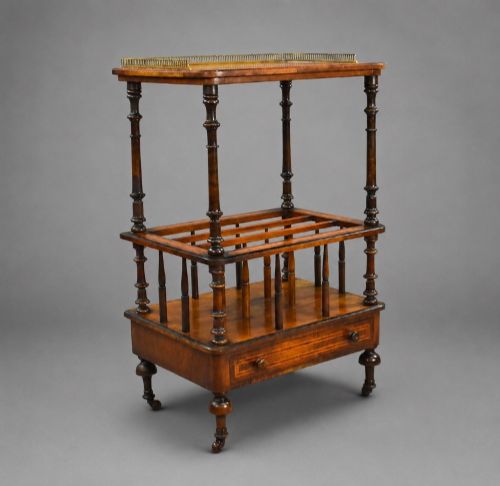
- A low stand featuring slatted partitions, originally built for holding sheet music or books. Nineteenth-century versions frequently incorporate a drawer below and serve as lamp tables.
- Whatnot
- A piece of open shelving supported by vertical columns, used for displaying ornaments and small objects. They appear in freestanding formats or combined with other cabinets.
- Japonisme
- A late nineteenth-century European artistic style influenced by Japanese art and design. Pieces in this manner often utilise bamboo and lacquered surfaces.
- Ormolu
- Gilt bronze mounts applied to furniture edges and feet for decorative enhancement. This technique appears frequently on revival and French-influenced pieces.
Victorian Occasional Cabinet: Frequently Asked Questions
What is a bijouterie table?
A bijouterie table is a glazed display case mounted on legs, designed for presenting small valuables and collections to guests.
These pieces typically feature hinged glass tops and fabric-lined interiors to protect delicate items.
How do I use a canterbury?
A canterbury provides partitioned slots originally intended for organising sheet music, folios, or periodicals near a piano or seating area.
Modern interiors use them as convenient bedside or side tables that keep books and magazines upright.
What distinguishes a work table?
A work table contains internal compartments, drawers, or suspended fabric bags designed to hold sewing and needlework supplies.
Victorian examples often combine this practical storage with an attractive top suitable for use as an occasional table.
How do I identify Aesthetic Movement pieces?
Aesthetic Movement items favour clean lines, simplified forms, and imported motifs that depart from heavy mid-century revival styles.
These works frequently incorporate ebonised wood or Japanese-inspired decorative elements.