


Victorian Oak Wall Rack
These robust pieces bring functional utility and enduring style to any interior, making a victorian oak wall rack an essential choice for organising hallways and living spaces.
Victorian Oak Wall Rack
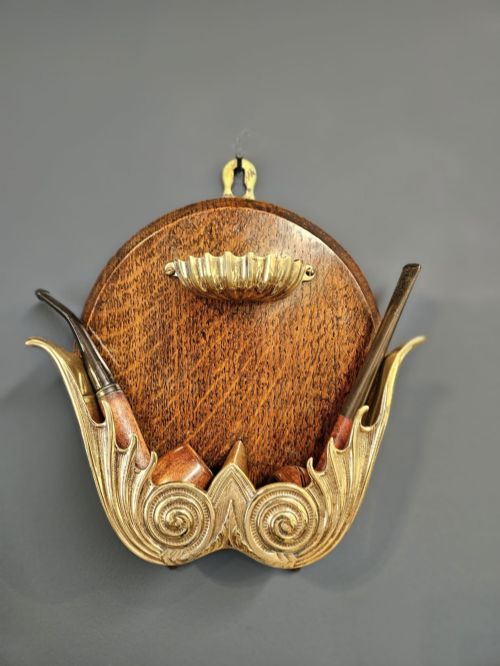
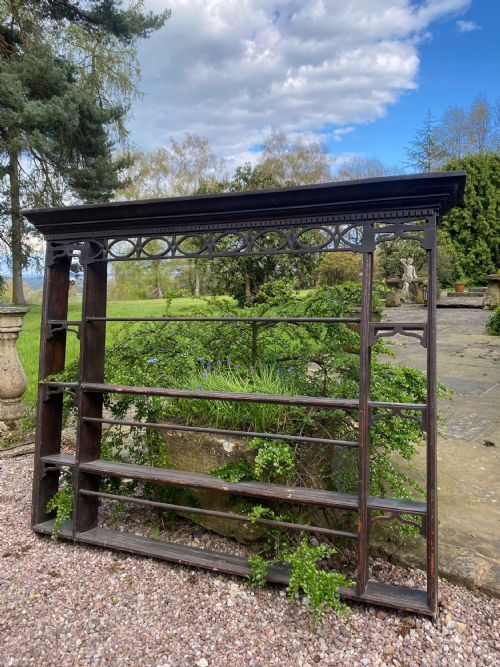
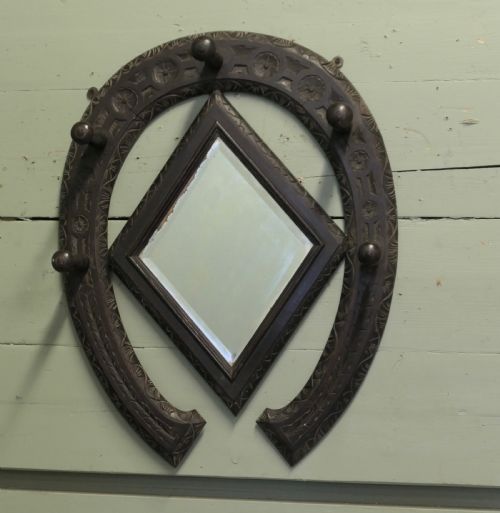
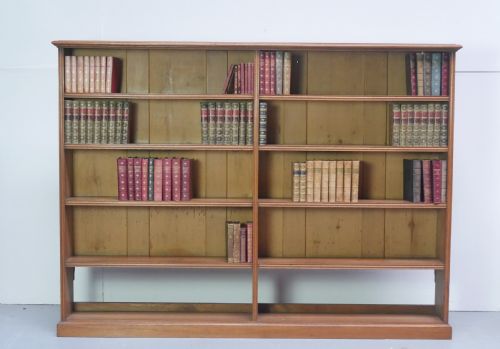
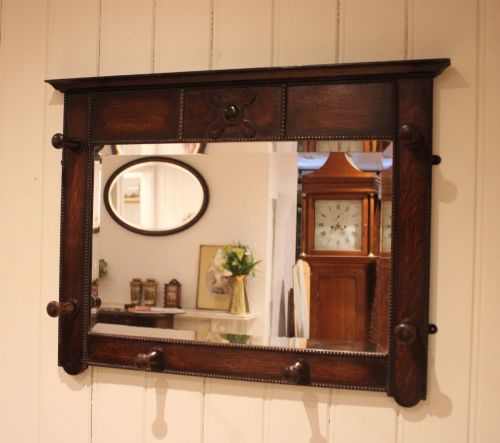
A victorian oak wall rack serves multiple domestic purposes, appearing in forms such as coat racks, hat stands, pipe racks, plate racks, and stationery holders. These items are designed to mount directly to vertical surfaces, keeping everyday items organised and accessible in hallways, studies, and kitchens.
The pieces encountered most frequently on this page date from the nineteenth century, reflecting the stylistic preferences of the Victorian era. Alongside standard Victorian designs, related examples incorporate Gothic Revival details or country house aesthetics.
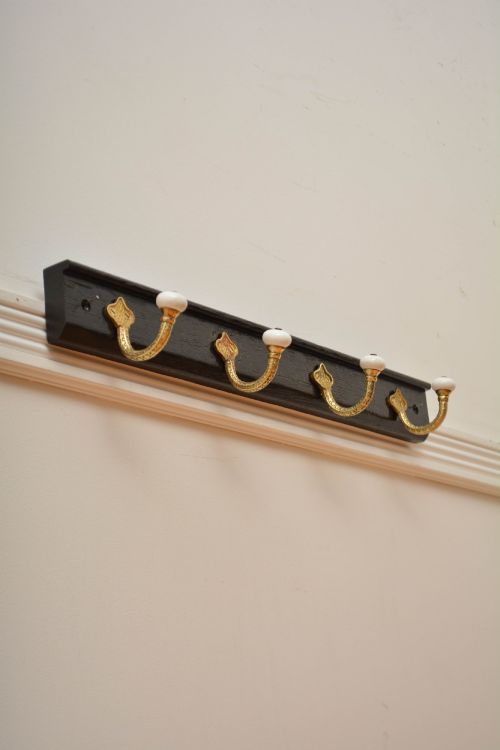
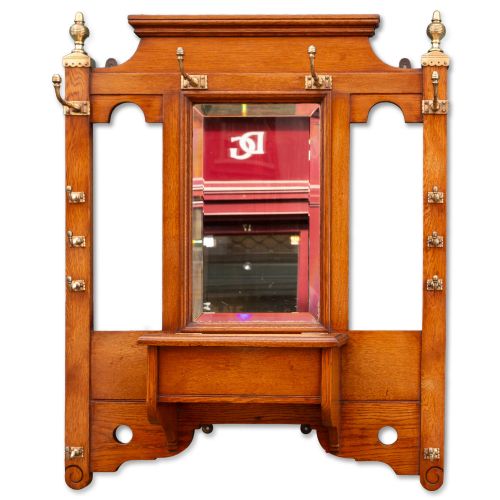
Functionality dictates form within this category, ranging from simple hanging shelves and wall brackets to elaborate combinations featuring mirrors, brass hooks, and ceramic elements. Each variation demonstrates how nineteenth-century makers adapted sturdy timber to meet specific household demands.
Materials and construction
Solid oak forms the primary structural foundation of these pieces, occasionally appearing as ebonised or stained timber. Makers reinforced durability by selecting dense wood capable of supporting heavy everyday items like coats, books, and ceramics.
Metal and ceramic components integrate directly into the wooden frames, utilising brass for hooks, hinges, and decorative mounts, alongside ceramic inserts. Additional textural contrast arises from organic materials such as stag horn, bone, and glass.
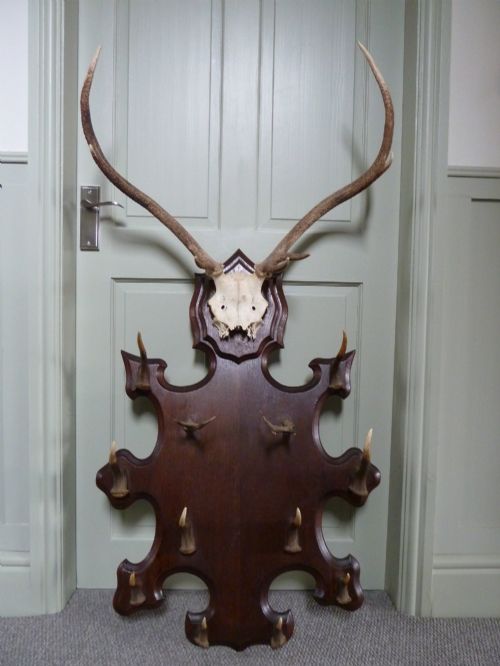
Some nineteenth-century halls greeted visitors with the formidable gaze of a taxidermy hall rack incorporating genuine stags' horns.
The Victorian Oak Wall Rack Glossary
- Ebonised oak
- Timber treated with a dark stain or chemical process to imitate ebony. This finish was popular in Victorian design for creating high-contrast decorative effects.
- Gothic Revival
- An architectural and decorative style drawing inspiration from medieval forms. Pieces in this manner often feature pointed arches, cusping, and heavy structural presence.
- Stationery rack
- A compartmentalised wall hanging unit designed to hold letters, papers, or envelopes. These items frequently incorporate brass wirework and polished wood.
- Plate rack
- A wall-mounted shelving unit configured specifically to display and store ceramic plates upright. Slats and grooves secure the tableware safely against the wall.
Victorian Oak Wall Rack: Frequently Asked Questions
What were these wall racks used for?
These racks served practical organisational roles in nineteenth-century homes, holding hats, coats, letters, pipes, or plates depending on their specific configuration.
Entries in hallways kept outerwear tidy upon arrival, while smaller letter racks managed correspondence in studies and libraries.
How do I mount a heavy oak rack safely?
Due to the density of solid oak and the potential weight of items placed upon them, secure wall anchoring is essential. Fixing directly into wall studs or using appropriate masonry plugs ensures the piece remains stable.
Many antique racks feature original brass mounting brackets or pre-drilled screw holes designed for this purpose.
How can I distinguish Victorian pieces from later copies?
Examination of the timber, fixings, and construction methods reveals the age of a piece. Nineteenth-century items often show hand-cut joinery, period-appropriate brass screw heads, and natural ageing to the oak surface.
Secondary materials like bone, horn, and specific ceramic glazes also align with Victorian manufacturing techniques rather than modern reproductions.
Can I use these racks in a modern interior?
Their sturdy construction and practical forms make these pieces well-suited to contemporary spaces. An oak coat or hat rack provides functional storage in a modern hallway, while hanging shelves offer display space for books or ceramics.
The warm tones of aged oak and brass complement both minimalist and traditional interior schemes.