



Traditional Oak Wall Rack
A traditional oak wall rack brings functional British vernacular storage into domestic spaces, combining timber utility with centuries of handcrafted character.
Traditional Oak Wall Rack
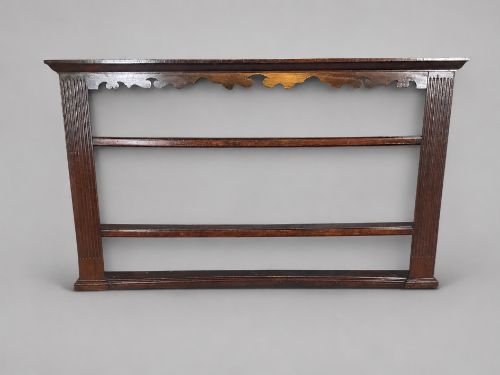
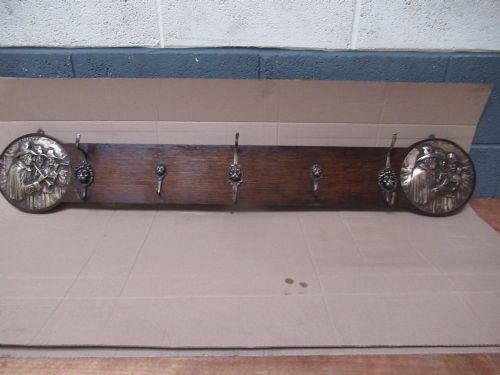
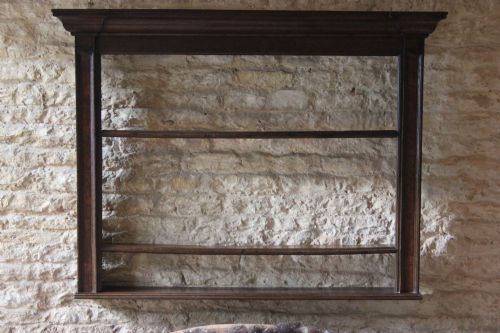
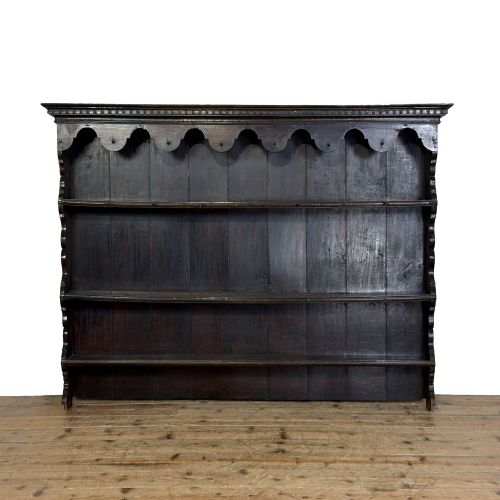
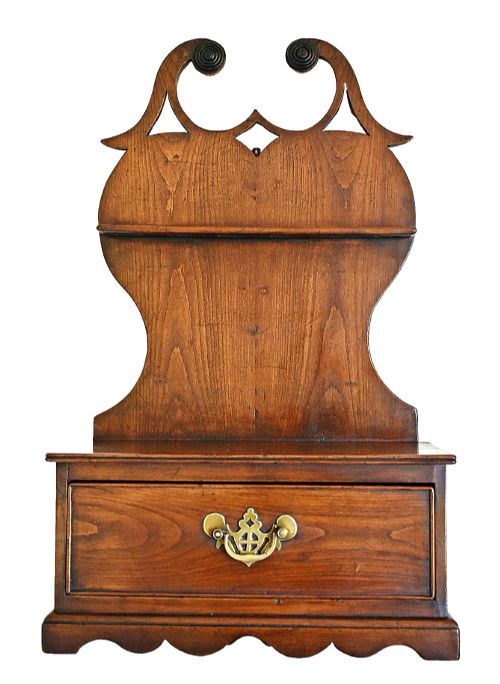
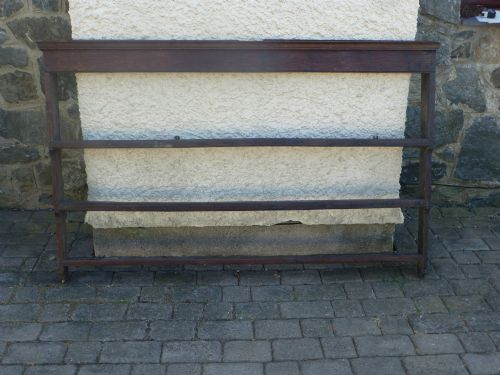
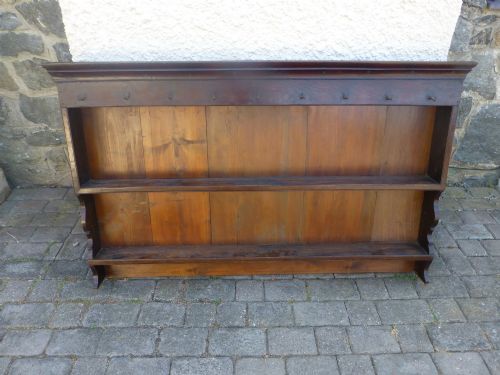
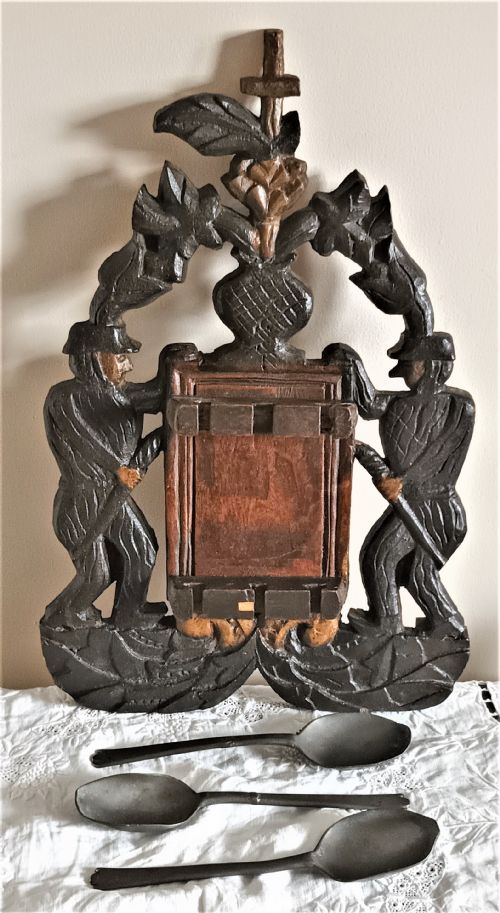
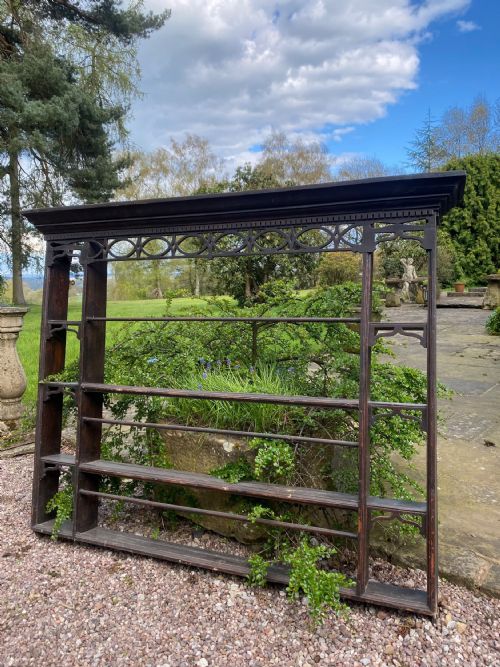
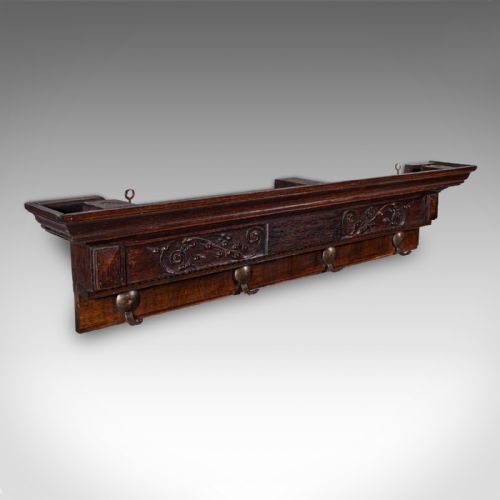
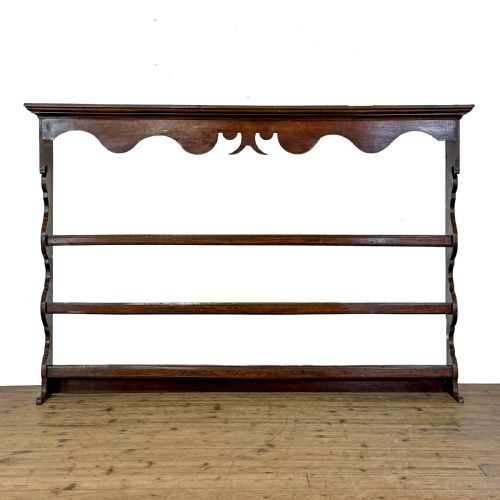
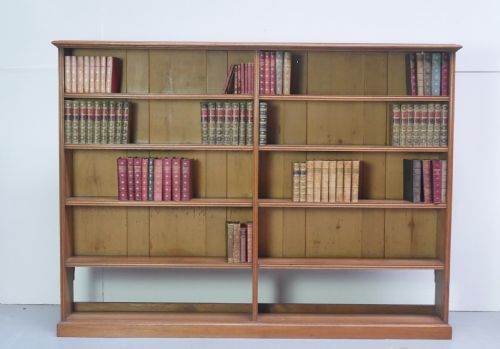
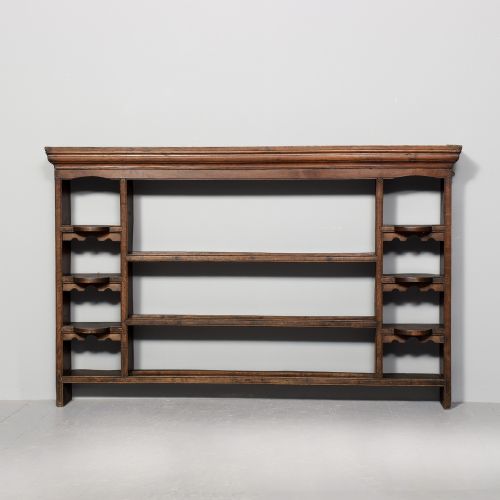
A traditional oak wall rack encompasses hanging plate racks, spoon racks, coat racks, and wall shelves designed to maximise interior space in domestic interiors. These pieces range from compact single-tier spoon racks with lower drawers to large multi-shelf delft racks intended for displaying ceramic tableware.
The versions most frequently encountered on this page originate from the eighteenth and nineteenth centuries, spanning Georgian, Victorian, and Edwardian periods. English country workshops produced the majority of these utilitarian items, often incorporating regional stylistic traits such as Gothic Revival details or Arts and Crafts simplicity.
Object forms vary significantly according to their original domestic function, with specialised configurations for hanging garments, organising books, or supporting pewter spoons alongside ceramic plates. Buyers select these wall-mounted fixtures to anchor historic or rustic aesthetics within contemporary kitchens, hallways, and living rooms.
Materials and construction methods
Solid oak serves as the primary structural timber across these listings, occasionally finished with ebonising, staining, or historic inlay to alter the surface appearance. Workshops selected native hardwoods for durability, allowing the boards to withstand the daily weight of ceramics, books, and hanging garments.
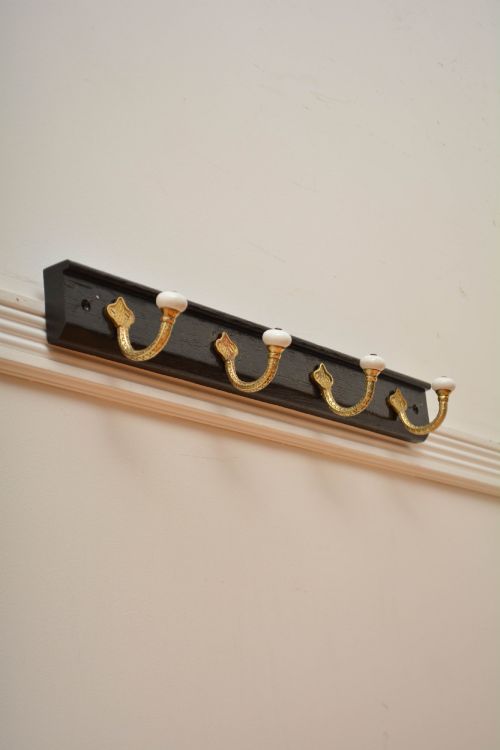
Secondary materials such as brass, pewter, ceramic, and iron frequently appear as functional hardware or integrated display items. Brass and ceramic coat hooks, pewter trefid spoons, and iron hanging brackets complement the timber frames, demonstrating the multi-material construction typical of vernacular furnishings.
Traditional Oak Wall Rack Retail Price Guide 2026
Typical asking prices for traditional oak wall rack among the pieces listed under this phrase on Sellingantiques today, from the lower quarter to the upper quarter. They describe what is for sale here now, not the wider market.
Current listings demonstrate timber treatments ranging from natural oak and stained oak to ebonised oak finishes paired with brass, iron, and ceramic hardware.
Assessing quality in traditional oak wall racks
Quality variation stems from the harmony of proportions, the integrity of the timber surfaces, and the subtlety of period joinery. Pieces retaining their original hanging points, backboards, and integrated drawers demonstrate superior integrity compared to altered or heavily restored examples.
The refinement of decorative elements - such as carved mouldings, inlaid details, or the patination built up through generations of domestic use - distinguishes standard utility items from finer vernacular pieces. Integrated accessories like matching pewter spoons or period-correct brass hooks further elevate the character of a rack.
The Traditional Oak Wall Rack Glossary
- Delft plate rack
- A wall-mounted shelving unit specifically designed with narrow grooved ledges to display tin-glazed earthenware plates upright. These fixtures formed a central feature in historic kitchens and dining areas.
- Spoon rack
- A compact wall hanging designed with vertical slots or notches to safely display eating utensils. Examples often incorporate a small enclosed drawer at the base for storage.
- Trefid spoon
- An early form of eating utensil featuring a broad, three-lobed terminal handle popular during the seventeenth and eighteenth centuries. These frequently accompany period spoon racks in historical displays.
- Ebonised oak
- Timber treated with a chemical stain or dark finish to imitate the appearance of ebony. This technique gained popularity during the Victorian period for decorative contrast.
- Vernacular furniture
- Items made by local craftsmen for everyday domestic use rather than following high-style academic design. These pieces reflect regional materials and practical household needs.
Traditional Oak Wall Rack: Frequently Asked Questions
How were traditional oak wall racks used?
These wall-mounted fixtures served practical domestic roles in historic kitchens, halls, and reception rooms. They kept everyday tableware, eating utensils, and outer garments organised and easily accessible within limited floor space.
Over time, their function shifted from strict utility to decorative display, allowing households to exhibit prized ceramics and metalware while saving valuable surface area on tables and sideboards.
How do I secure an antique wall rack safely?
Mounting historic oak furniture requires locating solid wall studs or masonry supports behind the plaster to bear the substantial weight of the timber. Utilising appropriate heavy-duty brackets or existing structural hanging points ensures the piece remains stable against the wall.
Because these racks often hold heavy ceramic plates or books, verifying the strength of the backboards and internal fixings is essential before loading the shelves.
How do I tell an 18th-century rack from a later piece?
Eighteenth-century examples typically display hand-cut joinery, pegged tenons, and distinct surface patination resulting from generations of wax and wear. The timber grain on older pieces often shows irregularities characteristic of early sawing techniques.
Later Victorian and Edwardian reproductions or adaptations frequently incorporate machine-sawn elements, standardised hardware, or applied decorative styles like Gothic Revival and Arts and Crafts.
Can I use a kitchen plate rack in a modern hallway?
Plate racks and hanging shelves adapt easily to different domestic spaces, functioning effectively as book storage in studies or display ledges in living areas. Their narrow profiles make them particularly useful in smaller rooms where floor-standing furniture is impractical.
Coat racks and multi-hook valets transition naturally into modern entryways, providing functional hanging space while introducing historical texture to contemporary interiors.