





Victorian Oak Tub
A victorian oak tub brings honest nineteenth-century craft into a room, offering deep-seated comfort built to last.
Victorian Oak Tub
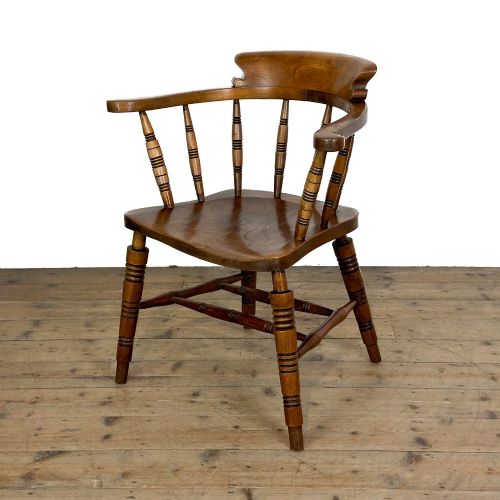
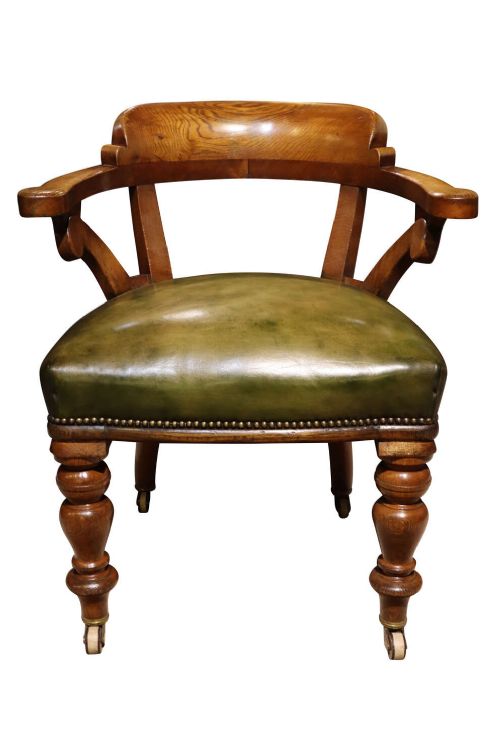
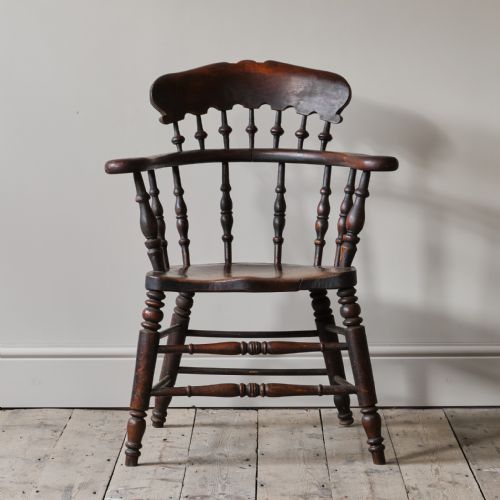
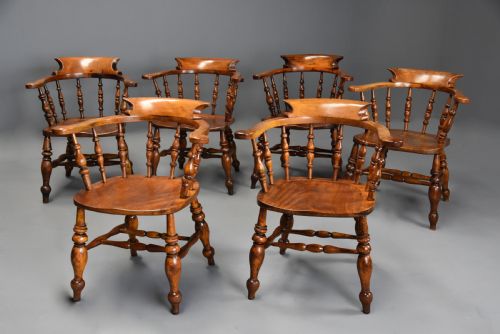
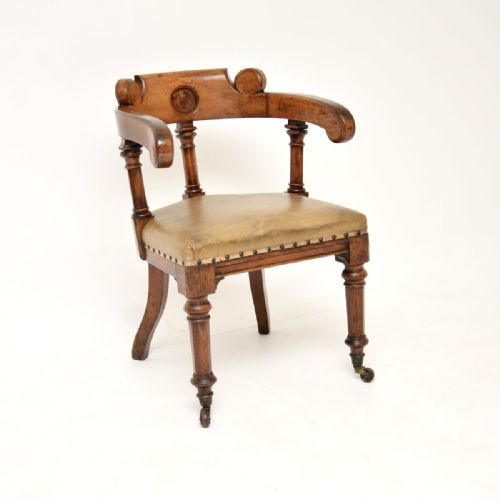
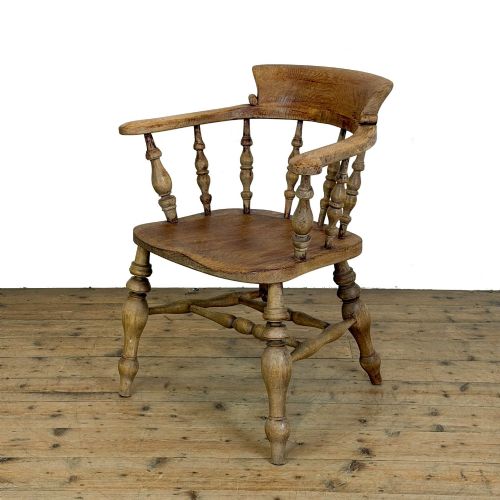
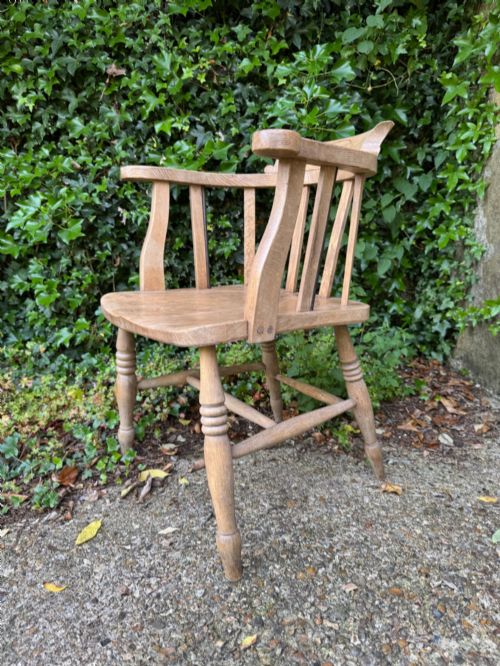
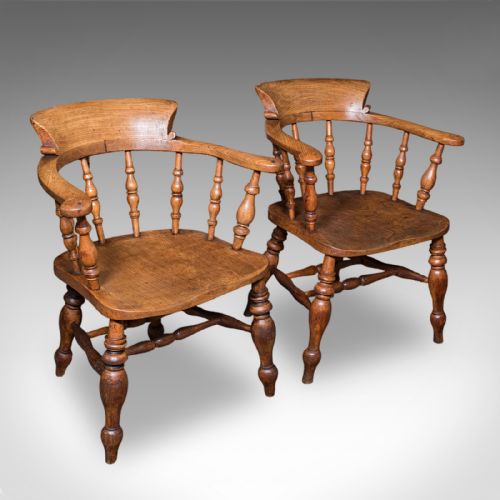
When hunting for a victorian oak tub, you encounter a robust selection of nineteenth-century seating and coopered vessels. The armchairs, captain's chairs, and smoker's bows dominate the available pieces, bringing solid timber frames and rounded backs into domestic spaces.
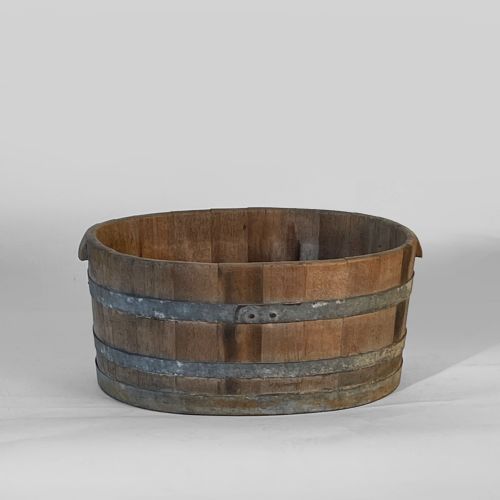
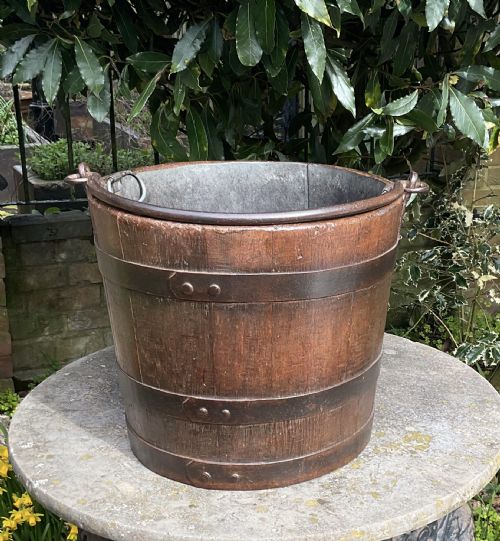
Beyond seating, the category includes coopered oak buckets, umbrella stands, and rum barrels reflecting practical utilitarian origins. These items span various periods from the mid-nineteenth century through to the Edwardian era, showing sturdy vernacular forms built for daily use.
How they were made
The construction relies heavily on solid oak, frequently paired with elm seats or bentwood elements for the supportive curved armrests. Coopered items utilise traditional stave construction banded with brass or iron hoops, whilst chairs incorporate sturdy turning and joinery.
Upholstery materials include leather and various fabrics fitted to padded seats, alongside polished woodwork finished with natural wax. Metal components like brass plates and silver plating appear on specific desk chairs and biscuit boxes.
Victorian Oak Tub Retail Price Guide 2026
Typical asking prices for victorian oak tub among the pieces listed under this phrase on Sellingantiques today, from the lower quarter to the upper quarter. They describe what is for sale here now, not the wider market.
Listings feature nineteenth-century oak combined with brass, elm, leather, and iron across various chair and barrel forms.
What varies in quality
Quality rests in the integrity of the timber selection and the retention of original coopered banding or turned spindles. Pieces displaying rich golden oak patination and sound structural joinery stand apart from examples showing excessive later alterations.
The nuance in seating lies in the balance of the curved backrail and the comfort of the shaped wooden or leather-upholstered seat. Superior coopered vessels maintain tight staves and original metal hardware without wholesale replacement of parts.
John Grinsell & Sons
The Victorian Oak Tub Glossary
- Smoker's bow
- A sturdy nineteenth-century wooden armchair with a rounded backrail, often used in offices and country houses.
- Coopered
- Made by joining curved wooden staves together with metal or wooden hoops, typical of barrels and buckets.
- Captain's chair
- A low-backed wooden armchair designed for swivel desks or dining tables during the Victorian period.
- Grog tub
- A coopered vessel historically used on ships for mixing and serving sailor's rum rations.
- Tub chair
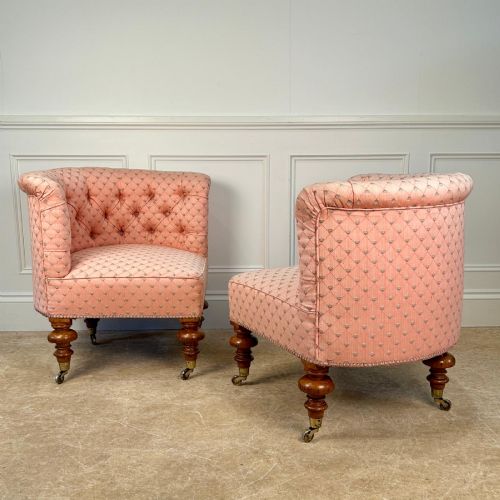
- An armchair featuring a continuous curved back and arms forming a protective circular enclosure around the sitter.
Victorian Oak Tub: Frequently Asked Questions
What is a smoker's bow chair?
A smoker's bow is a sturdy vernacular wooden armchair featuring a low rounded back supported by turned spindles. These seats were common in nineteenth-century offices, smoking rooms, and country homes.
They offer robust everyday seating with a distinctive profile that bridges the gap between Windsor chairs and standard library armchairs.
How were coopered oak buckets used?
Coopered oak buckets served practical utilitarian purposes in nineteenth-century households and marine environments. They functioned as washing tubs, oyster vessels, or umbrella stands.
Craftsmen built them using curved wooden staves bound with metal hoops, ensuring the vessels could hold water or heavy walking sticks securely.
Where should I place a tub chair?
A tub chair suits studies, libraries, and corners where a supportive, enclosed seat works well. Their compact curved backs make them ideal desk chairs or occasional seating.
Pairing them with wooden desks or placing them beside bookshelves highlights their traditional nineteenth-century character.
How do I identify a Victorian oak piece?
Victorian oak pieces display dense grain patterns, traditional hand-cut joinery, and patination developed over more than a century. Chairs often feature turned legs and solid timber construction.
Examining the underside for tool marks and checking the fastening methods helps confirm nineteenth-century manufacture.