

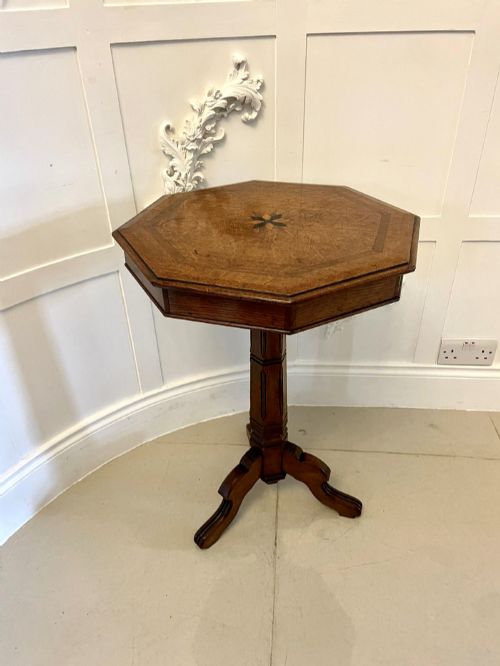
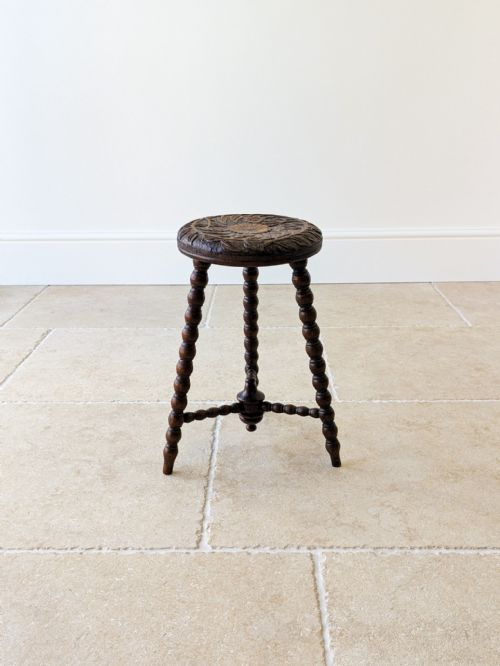
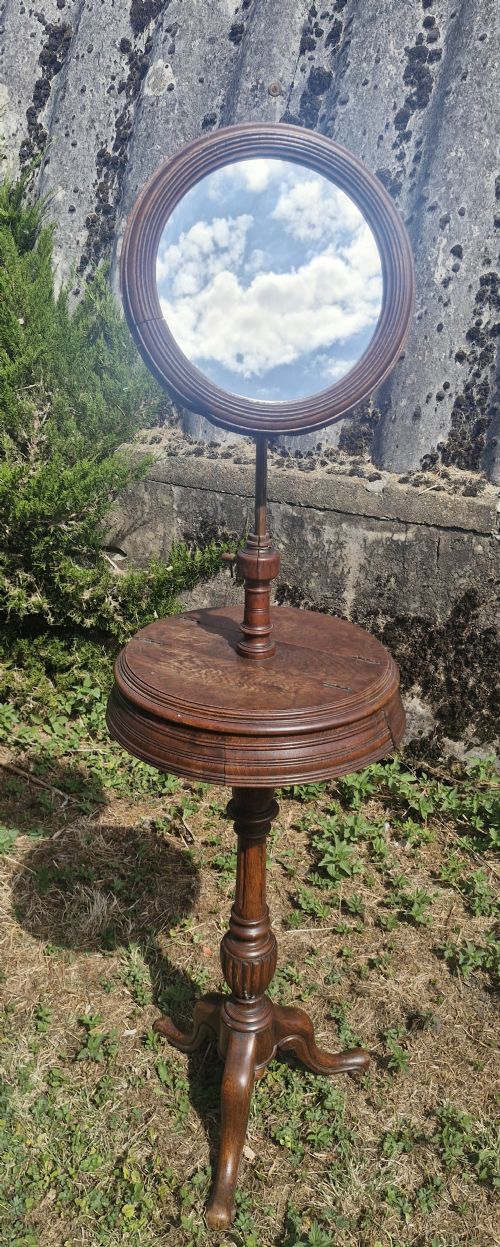

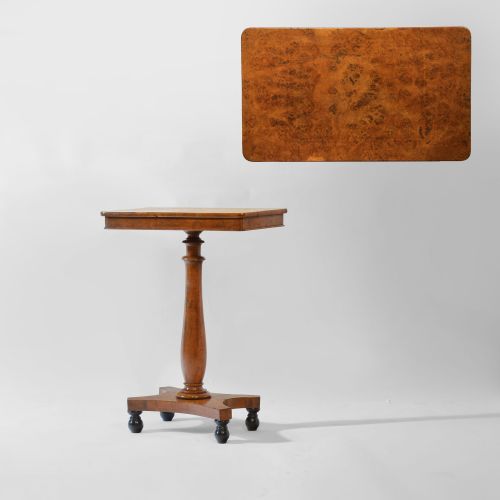




Victorian Oak Tripod Table
A victorian oak tripod table brings sturdy timber and nimble three-legged proportions to any corner.
Victorian Oak Tripod Table
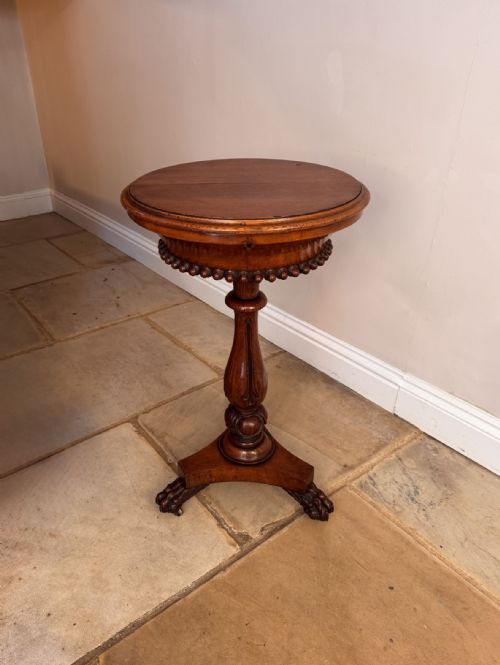
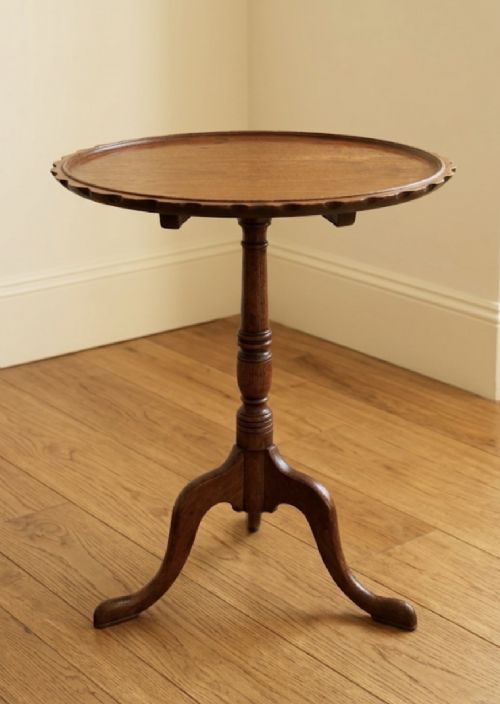
A victorian oak tripod table typically presents as a compact occasional, wine, or lamp table supported by three splayed legs beneath a central turned column. These pieces emerge primarily from the nineteenth century, spanning various decades through the Victorian era with occasional crossover into Edwardian production.
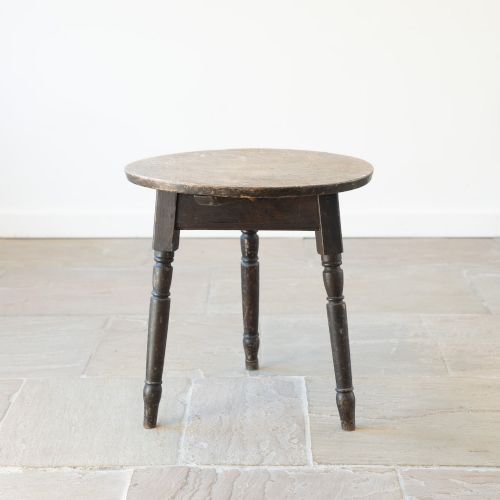
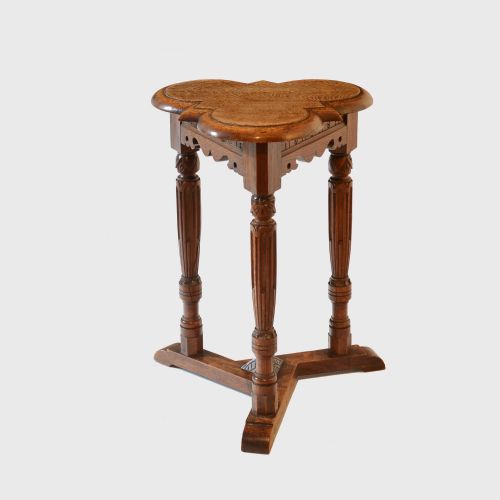
The format encompasses tilt-top mechanisms, cricket tables with simple three-legged stretchers, and carved parlour or tarot tables bearing specific decorative motifs. While occasional larger breakfast or centre variants appear, the classic domestic side or wine table dominates the selection.
Origins range from straightforward country house vernacular to more ornate Gothic revival and Jacobean revival interpretations. Buyers frequently encounter small round tops designed for practical daily use beside a chair or in a hallway.
How they were made
Makers utilised solid oak alongside specialised veneers like pollard oak, often pairing the timber with brass fittings or turnings. Structural components relied on sturdy jointing methods, with turned columns mounted onto stable tripod bases.
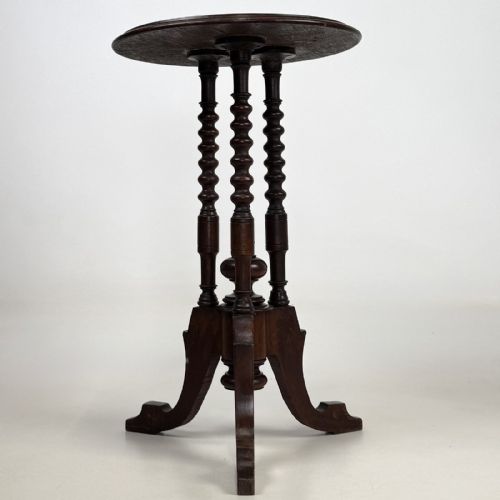
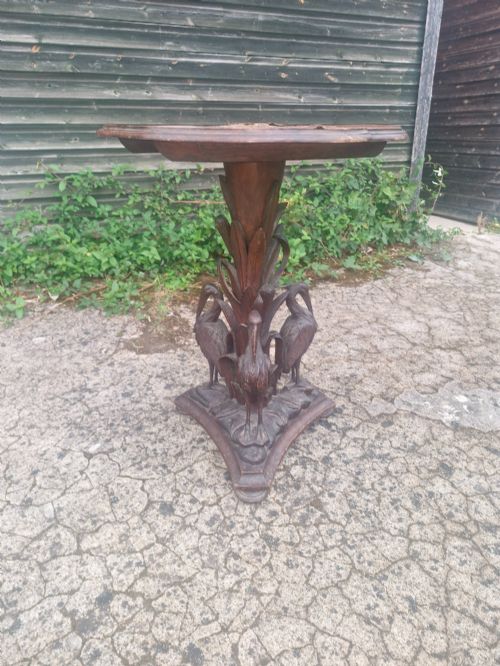
Surface decoration incorporated marquetry inlay, zodiac or Celtic Gothic carving, and specialised tilt mechanisms allowing the circular tops to fold away. Bobbin turned details and shaped clover or trefoil tops demonstrate the variety of carpentry skills applied to these practical tables.
Victorian Oak Tripod Table Retail Price Guide 2026
Typical asking prices for victorian oak tripod table among the pieces listed under this phrase on Sellingantiques today, from the lower quarter to the upper quarter. They describe what is for sale here now, not the wider market.
The listings show materials spanning oak, pollard oak, elm, brass, and glass alongside mixed wood veneers.
What varies in quality
Quality rests on the selection of timber grain, particularly where figured pollard oak or rich honey oak is employed. The crispness of hand-carved details on the column or top distinguishes standard utility pieces from finer parlour examples.
Mechanical integrity in the tilt-top catches and the steadfastness of the three-legged base dictate the practical success of each piece. Superior examples maintain balanced proportions where the turnings and splayed feet complement the diameter of the top.
The Victorian Oak Tripod Table Glossary
- Tilt top
- A tabletop mounted on a catch mechanism allowing the surface to swivel vertically for storage. This clever design lets the table stand flat against a wall when not in use.
- Cricket table
- A traditional small round table supported by three legs and often lower stretchers. The design ensures stability on uneven floors.
- Pollard oak
- Timber taken from trees that were pollarded, producing a dense, highly figured grain with distinctive knots. Cabinet makers prized this wood for decorative table surfaces.
- Gothic revival
- A nineteenth-century design style drawing on medieval architectural motifs such as trefoils and pointed arches. Tables in this style often feature pointed elements and deep relief carving.
- Tripod base
- A support structure comprising three legs radiating from a central pillar. This arrangement prevents wobbling on antique floors.
Victorian Oak Tripod Table: Frequently Asked Questions
How do I use a tripod table today?
These tables work well beside a reading chair as a place for a lamp or small objects.
Their compact footprint allows them to fit easily into tight corners or hallways without crowding a room.
What is a tilt top mechanism?
A catch beneath the surface lets the circular top pivot from horizontal to vertical.
This historical feature was originally designed to save space in crowded nineteenth-century rooms.
How do I identify a cricket table?
Look for a round top supported by three splayed legs joined by lower stretchers.
This specific vernacular form offers sturdy balance on uneven floors.