





Victorian Oak Barrel
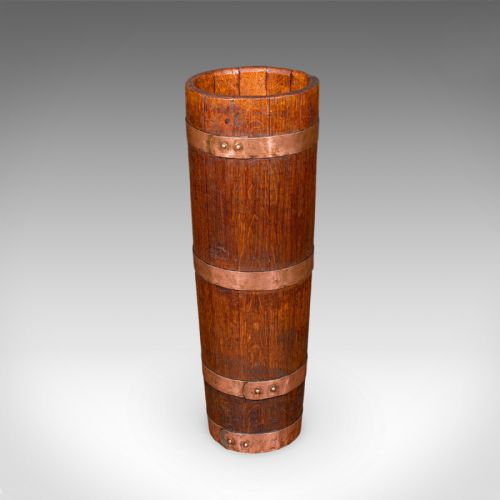
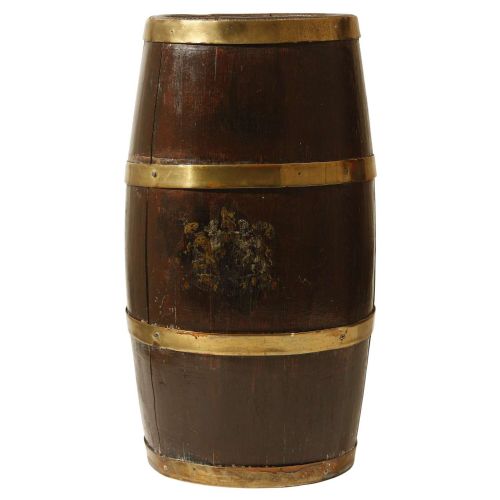
A victorian oak barrel brings sturdy coopered timber and warm brass into a room, serving just as well for umbrella storage as for dining table service.
Victorian Oak Barrel
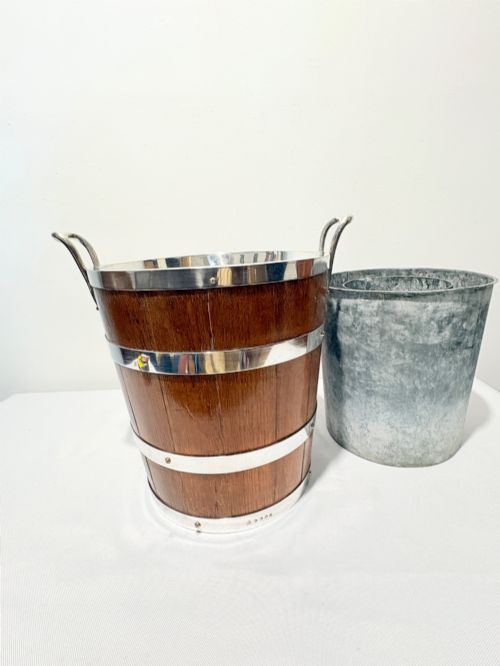
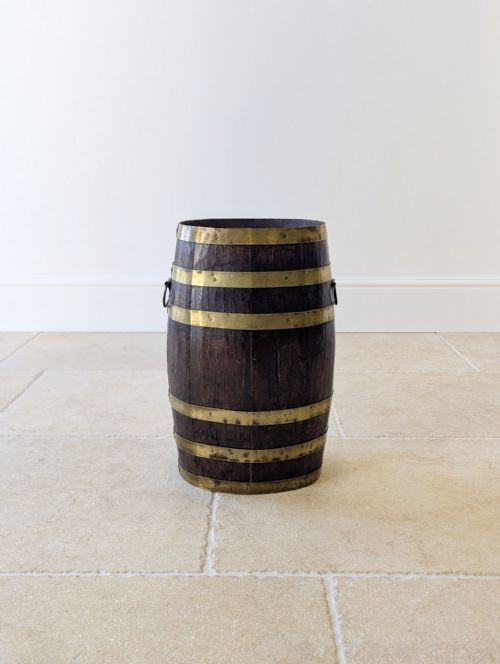
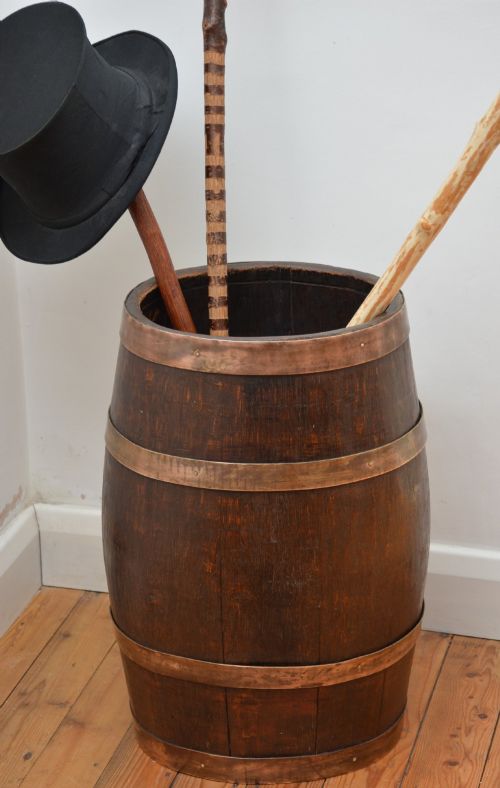
When you search for a victorian oak barrel, you encounter solid timber vessels shaped by traditional cooperage, most frequently designed as umbrella and stick stands or table silver biscuit boxes.
The objects span the nineteenth century and into the Edwardian era, taking the form of tall hall barrels with brass hoops or compact drum containers mounted with silver plate.
Country house utility meets domestic refinement across these pieces, shifting from tall hallway furniture intended for wet weather gear to tabletop barware and condiment sets.
Materials and construction methods
Staves of seasoned oak form the body of each vessel, curved and fitted together by hand before being secured with tight metal bands of brass, copper, or iron.
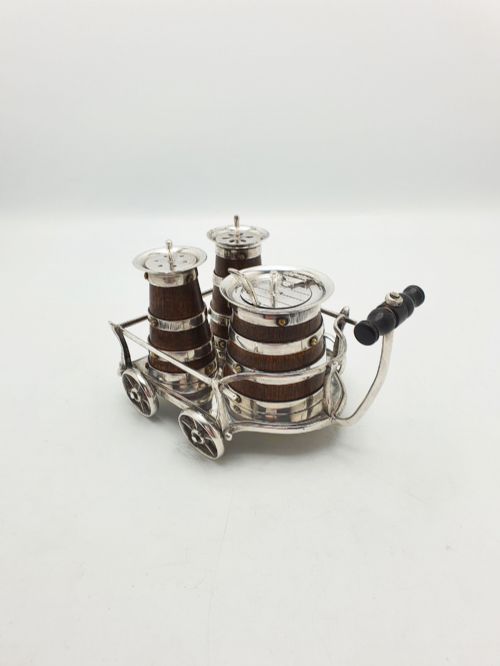
Silver plating appears on mounts, lids, hinges, and handles, particularly on tabletop biscuit boxes and condiment cruets designed for formal dining rooms.
Makers utilised iron and brass bracing to reinforce the structural integrity of tall umbrella stands, ensuring the staves remained stable over decades of daily use.
Victorian Oak Barrel Retail Price Guide 2026
Typical asking prices for victorian oak barrel among the pieces listed under this phrase on Sellingantiques today, from the lower quarter to the upper quarter. They describe what is for sale here now, not the wider market.
Sailors brought home grog tubs made of oak and brass, turning shipboard rations into sturdy domestic novelties.
Distinctions in craftsmanship and design
The standard of cooperage dictates the integrity of the piece, with tightly joined staves and uniform grain showing superior workshop practice.
Metalwork quality separates standard utility items from finer parlour pieces, where heavy cast brass mounts and thick silver plating survive in better condition.
Provenance and decorative additions, such as engraved coats of arms or specialised Black Forest stands, elevate certain examples above plain domestic hardware.
John Grinsell & Sons
The Victorian Oak Barrel Glossary
- Coopered
- Built from curved wooden staves fitted together and bound by metal hoops, much like a traditional wine cask.
- Biscuit box
- A lidded container used in the nineteenth century to keep dry biscuits crisp on the dining table.
- Stick stand
- A tall piece of hall furniture designed to hold walking sticks and umbrellas upright.
- Cruet set
- A matched collection of small bottles or jars held in a frame for condiments and sauces at the table.
- Silver plate
- A thin layer of silver fused to a base metal such as copper or brass, giving the appearance of solid silver.
Victorian Oak Barrel: Frequently Asked Questions
What were oak barrels used for?
In Victorian homes, these oak barrels served primarily as hall furniture for umbrellas and walking sticks, or as tabletop containers for biscuits and ice.
Smaller vessels held spirits or condiments, integrating robust workshop utility with the refined social rituals of the nineteenth century dining room.
How do I clean an oak barrel?
Dust the exterior wood gently with a dry cloth and preserve the natural finish with a light application of beeswax.
Avoid using harsh chemical polishes on the oak staves, and wipe silver plated mounts with a soft cloth to protect the metal.
Are these barrels waterproof?
Most umbrella stands feature internal metal liners or open bases designed to catch water without rotting the wooden staves.
Tabletop biscuit boxes and ice buckets contain ceramic or metal inserts specifically to hold provisions safely away from the raw oak.
How do I date a piece?
Examine the construction marks, the thickness of the brass hoops, and the style of the silver plating to establish the period.
Victorian pieces often display heavier cast brass and hand-fitted staves, while Edwardian items lean toward lighter mounts and ceramic creamware liners.