





Victorian Oak Architectural Salvage
These Victorian oak architectural salvage pieces bring solid period character and heavy timber structure straight into modern rooms.
Victorian Oak Architectural Salvage
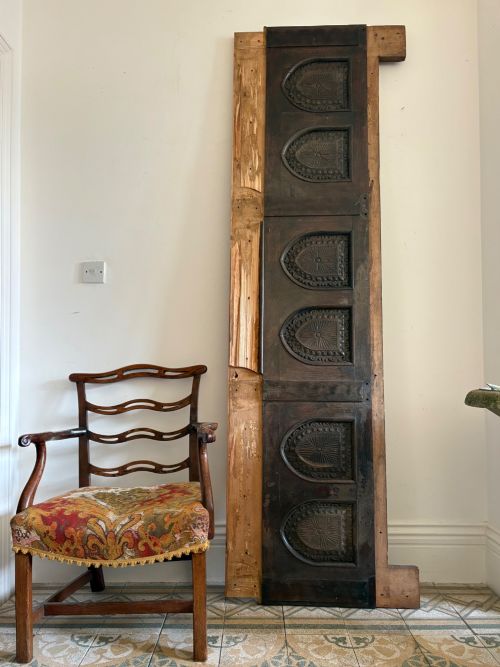
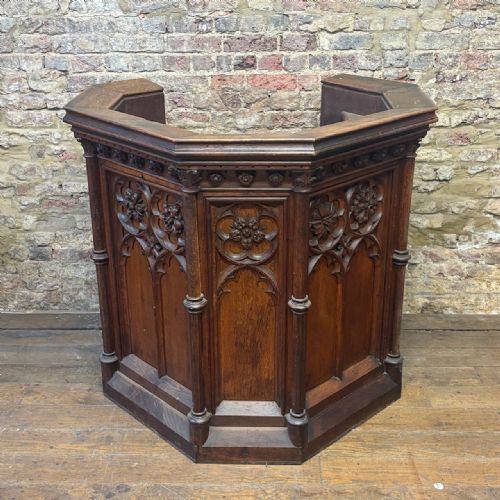
Victorian oak architectural salvage comprises rescued fragments of larger buildings, spanning church pulpits, fireplace surrounds, panels, and overdoor pediments. These items derive from nineteenth century structures, carrying the heavy timber presence typical of the period.
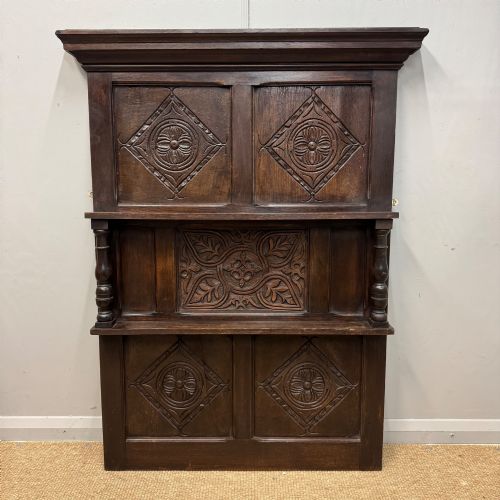
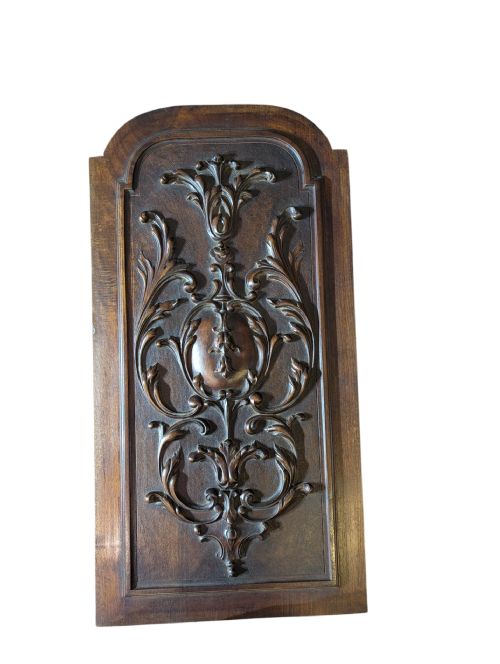
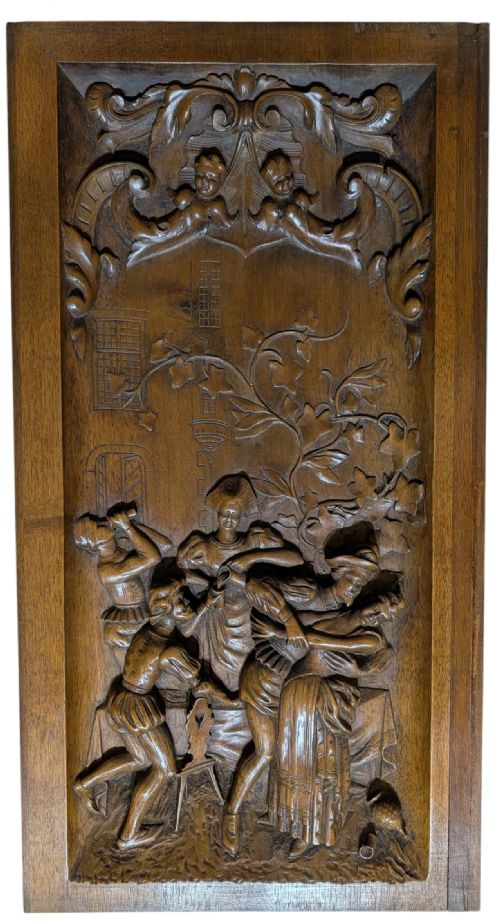
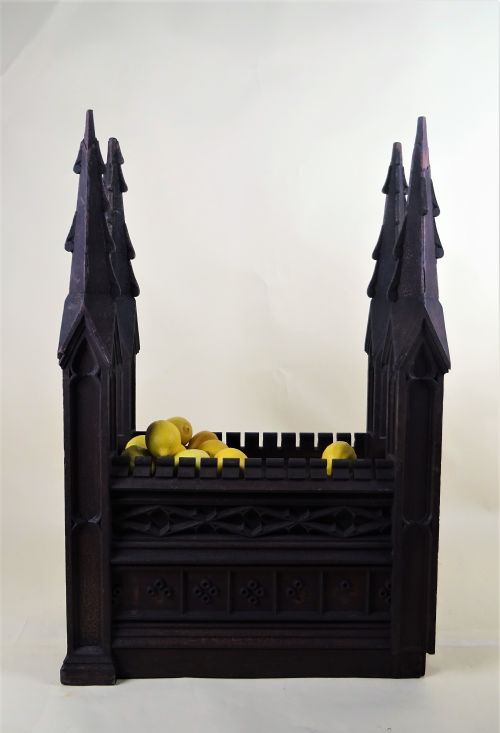
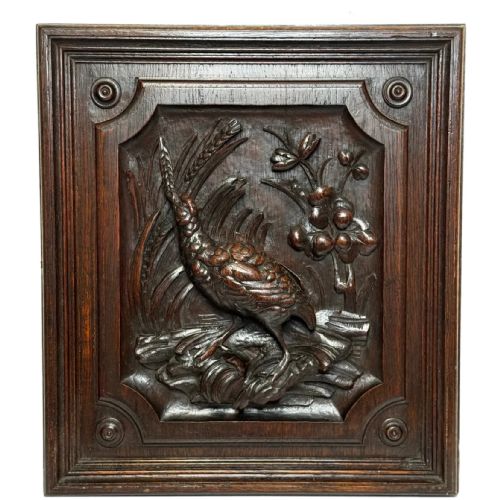
The pieces on this page lean heavily towards carved woodwork, including linenfold and parchemin panels, alongside griffin terminals and gothic architectural elements. You will frequently encounter wall carvings, overmantels, and bed posts repurposed for interior display.
Makers and builders of the period utilised robust hardwoods to create items intended to last centuries. The range includes distinct design movements such as Gothic Revival and Arts and Crafts, alongside functional ironmongery like steel and wooden locks.
Materials and construction methods
Makers relied primarily on solid oak, alongside pollard oak and walnut, shaping the dense timber with hand and chisel. Surface treatments ranged from natural wax finishes to painted scumble effects imitating richer grains on pine panels.
Construction involved heavy mortise and tenon joinery for structural elements like fire surrounds and pulpits. Carved panels display deep relief work, utilising specialised gouges to achieve motifs such as Tudor roses and linenfold patterns.
Listings feature nineteenth century oak alongside alternative materials including steel, glass, mirror, and painted pine.
Assessing quality and craftsmanship
Depth and sharpness of the hand carving separate standard joinery from superior sculptural work. Pieces bearing crisp execution in motifs like griffin terminals or Pugin designs demonstrate higher workshop skill.
The choice of timber grain also dictates distinction, particularly where figured pollard oak or tiger oak is present. Intact original surfaces and complete hardware elements elevate the integrity of salvaged elements.
The Victorian Oak Architectural Salvage Glossary
- Linenfold
- A style of wood panel carving that imitates folded linen cloth. It was widely used on church furniture and domestic wall paneling during the nineteenth century revival periods.
- Parchemin
- A flat wood panel carved in low relief to resemble parchment scrollwork. This medieval style saw a strong revival in Victorian decorative woodwork.
- Overdoor
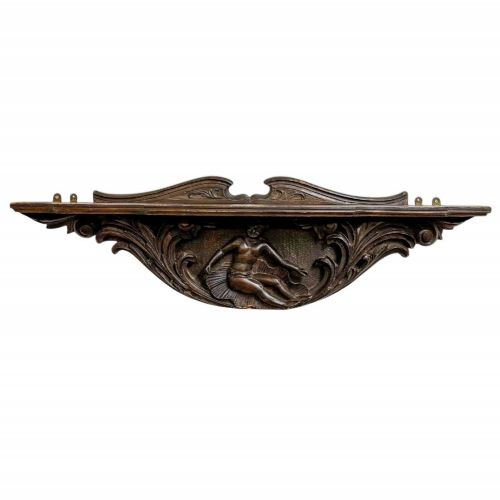
- An architectural element or pediment positioned directly above a doorway. These often feature elaborate carvings or small display shelves.
- Gothic Revival
- An architectural and design movement drawing inspiration from medieval forms. It is characterised by pointed arches, heavy tracery, and religious motifs.
- Scumble
- A decorative paint technique used to create faux wood grains on cheaper timber substrates. It allowed painters to mimic oak on simpler panels.
Victorian Oak Architectural Salvage: Frequently Asked Questions
Can I use an antique fire surround today?
Many salvaged surrounds fit modern hearth dimensions with minor adjustments or custom hearth inserts. They instantly anchor a room with nineteenth century character.
Verify clearances from the firebox opening to comply with local safety regulations regarding combustible timber. A professional fireplace fitter can advise on suitable backing materials.
How do I clean nineteenth century oak?
Dust the timber regularly with a soft, dry cloth to prevent grit buildup in the deep crevices of the carving. Avoid wet cloths or harsh chemical cleaners that strip the historic wax finish.
Apply a traditional beeswax polish sparingly once or twice a year to nourish the dry oak. Buff gently with a clean brush to maintain a soft natural sheen.
What is the difference between Gothic Revival and Renaissance Revival?
Gothic Revival draws from medieval ecclesiastical architecture, featuring pointed arches, linenfold panels, and severe vertical lines. The aesthetic is sombre, structural, and heavily influenced by church design.
Renaissance Revival borrows from classical European architecture, displaying more rounded symmetry, scrolling foliage, and figural terminals. These pieces feel grand and palatial rather than medieval.