



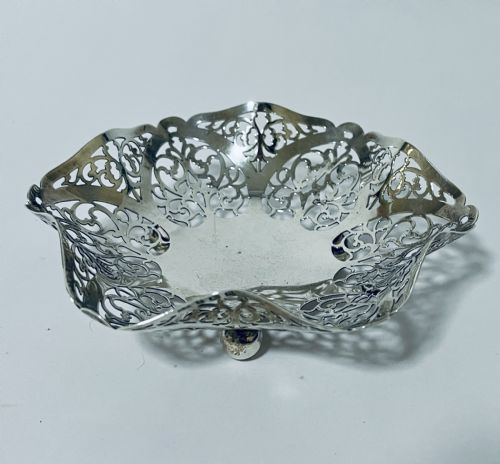


Victorian Nut Dish
A victorian nut dish brings functional elegance to the table, offering a glimpse into nineteenth-century dining traditions through fine silver, glass, and horn.
Victorian Nut Dish
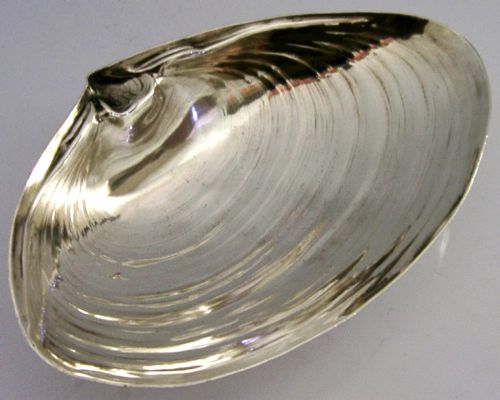
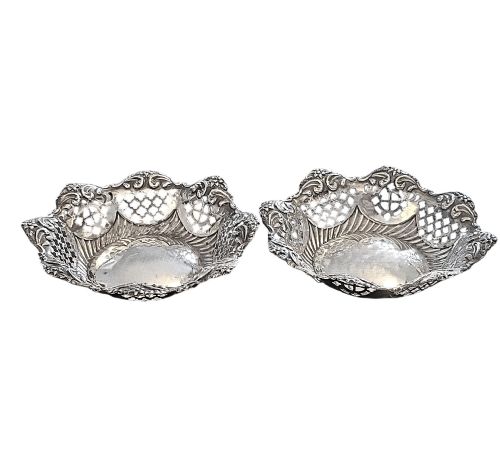
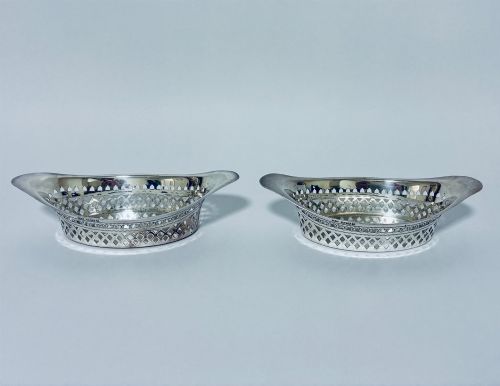
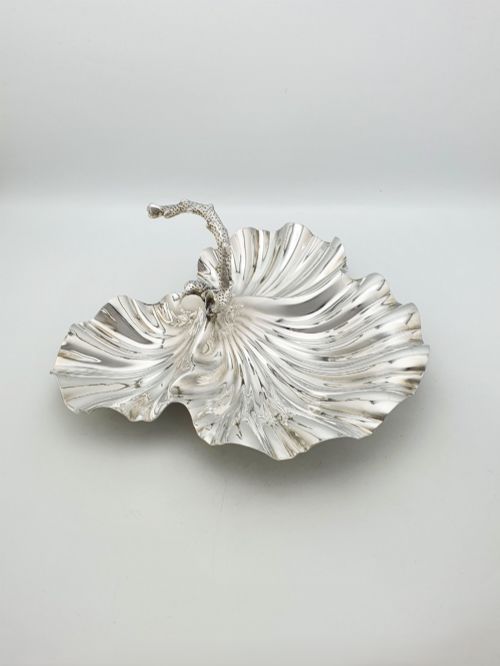
A victorian nut dish typically takes the form of a small decorative bowl, bonbon dish, or shell-shaped receptacle designed to hold dry goods for guests. You will frequently encounter sterling silver and silver-plated examples shaped like scallop shells or natural leaves, often dating from the late nineteenth century.
The selection extends to diverse regional interpretations and alternative materials, including carved horn bowls with silver mounts and French opaline glass with gilt edges. Alongside traditional British silver basket forms, you may discover Indonesian brass betel nut dishes reflecting broader global utility.
These items function primarily as decorative tableware or sweet dishes, serving nuts, bonbons, or small confectionery during formal gatherings. Their varied origins span the Victorian and Edwardian periods, showcasing both naturalistic motifs and precise metalworking.
How they were made
Makers utilised sterling silver and electroplated nickel silver to form structural bodies, frequently employing techniques of casting and repoussé decoration to achieve leaf and shell profiles. Metal components were shaped into naturalistic forms, such as stylised coral handles or hinged sireh stands.
Alternative organic materials required specialist carving and mounting skills, notably with carved horn bowls fitted with custom silver rims. Glass pieces like opaline glass scallop shells received hand-painted gilt edges to complete their decorative appeal.
Cased sets and matched pairs demanded rigorous bench work by silversmiths, ensuring uniform weight and precise alignment in hinged or fitted presentation boxes.
Victorian Nut Dish Retail Price Guide 2026
Typical asking prices for victorian nut dish among the pieces listed under this phrase on Sellingantiques today, from the lower quarter to the upper quarter. They describe what is for sale here now, not the wider market.
Listings for a victorian nut dish span the Victorian and Edwardian eras, incorporating materials like sterling silver, horn, and opaline glass.
What varies in quality
The standard of metalwork distinguishes baseline production from superior items, particularly in the crispness of chased foliage and the weight of solid sterling silver versus plated bases. Maker involvement also plays a role, with established workshops delivering cleaner junction lines and more substantial gauge metal.
Material choice alters the character and endurance of each piece, where solid silver and thick-cut opaline glass retain their integrity far better than fragile horn or thin electroplate. Preservation of original gilding and fitted presentation cases adds tangible depth to a piece's execution.
Proportion and stylistic cohesion determine overall visual success, distinguishing simple utilitarian vessels from finely balanced naturalistic sculptures that mimic actual leaves and shells.
Mitchell Bosley And Co·Garrard London
The Victorian Nut Dish Glossary
- Sterling silver
- A silver alloy containing 92.5 percent pure silver by mass and 7.5 percent other metals, usually copper. This standard composition provides the necessary durability for detailed silversmithing.
- Electroplated nickel silver
- A base metal alloy of copper, nickel, and zinc coated with a thin layer of pure silver through electrolysis. It offered an affordable alternative to solid silver during the nineteenth century.
- Opaline glass
- An opaque or translucent art glass developed in France, often tinted in shades like green and finished with gilt edges. It gained popularity for decorative tableware and small domestic vessels.
- Bonbon dish
- A small open vessel specifically intended for serving sweets, sugared almonds, or small nuts. These pieces often feature pierced decoration or shallow bowls.
- Repoussé
- A metalworking technique where a silversmith hammers a design from the reverse side to create low relief ornamentation on the front. This method was widely used for floral and leaf motifs.
Victorian Nut Dish: Frequently Asked Questions
What were victorian nut dishes used for?
These small vessels held nuts, sweets, or dried fruits during formal dining and drawing-room gatherings. Hosts placed them around the table for guests to help themselves between courses.
Over time, their uses expanded to include holding small confections, bonbons, or calling cards, reflecting the varied social rituals of the period.
How do I clean antique silver dishes?
Wash silver pieces gently in warm water with a mild, phosphate-free liquid soap, then dry them thoroughly with a soft cotton cloth. Avoid harsh abrasive dips that strip away patination and fine detail.
Store them in a dry environment away from direct sunlight, and use a specialised microcrystalline wax only if protection against tarnishing is strictly necessary.
Are opaline glass dishes fragile?
Opaline glass requires careful handling due to its delicate structure and potential vulnerability to sudden temperature changes. Hand washing is essential to protect both the glass body and any applied gilt edges.
Display these items away from high-traffic edges where accidental knocks might chip the rims or scratch the decorative surfaces.
What is the difference between solid silver and silver plate?
Solid sterling silver contains a regulated high purity of silver throughout the entire object, bearing distinct hallmarks that confirm its metal content and origin. It develops a natural patina over decades of use.
Silver plate consists of a base metal core, such as nickel silver, covered by a thin exterior layer of pure silver. While visually similar when new, plated items can wear down to the base metal over generations of polishing.