



Victorian Novelty Pepper Shakers
Victorian novelty pepper shakers turn the everyday dining table into a theatre of birds, beasts and characters.
Victorian Novelty Pepper Shakers
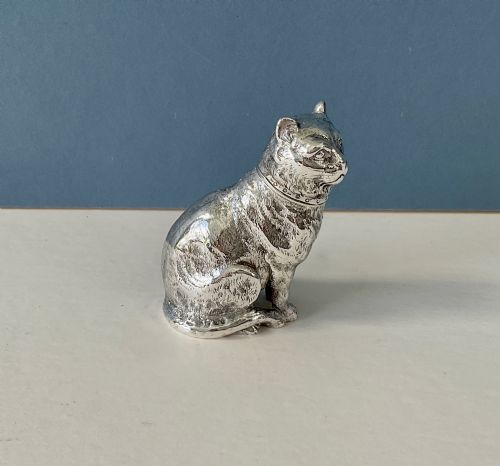
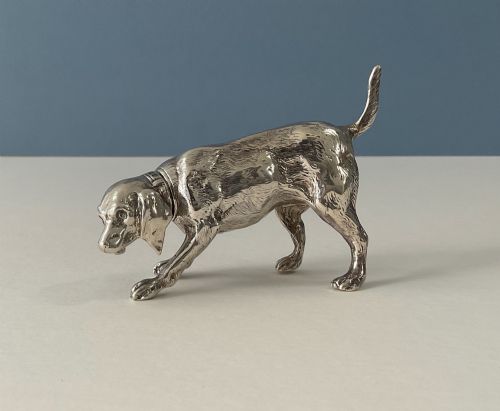
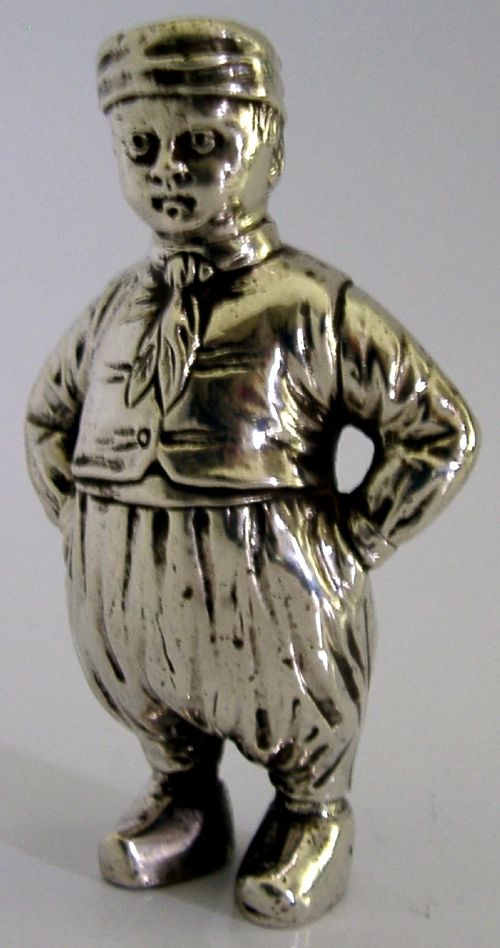
Victorian novelty pepper shakers are small condiment containers shaped as animals, birds and human figures, designed to amuse diners at the Victorian dinner table. These pieces take the form of cats, dogs, owls, chicks, cockatoos and character figures such as Mr Punch's dog Toby.
The objects function as pepper pots, pepperettes, pomanders and parts of cruet or condiment sets. The forms most frequently met on this page span sterling silver, silver plate and glass from the Victorian period onwards.
How they were made
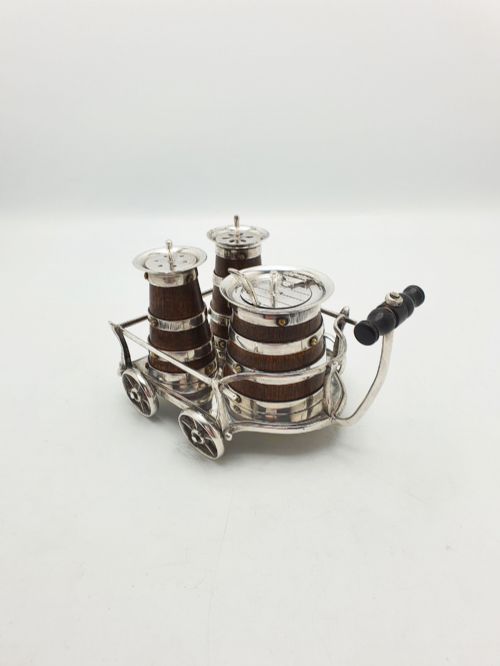
Certain examples incorporate cut glass bodies mounted with silver, or carved oak barrels fitted with plated metal hardware. The construction often includes removable heads or screw-in bases to allow the vessel to be filled.
Victorian Novelty Pepper Shakers Retail Price Guide 2026
Typical asking prices for victorian novelty pepper shakers among the pieces listed under this phrase on Sellingantiques today, from the lower quarter to the upper quarter. They describe what is for sale here now, not the wider market.
Victorian diners enjoyed shaking their seasoning from the head of an owl, a cockatoo or Mr Punch's dog Toby.
What varies in quality
Quality rests upon the crispness of the cast detail and the naturalism of the animal or character portrayed. Pieces with sharply defined feathers, fur and expressive faces stand apart from softer, worn castings.
The distinction also lies in the weight of the silver, the precision of the fitting parts and the maker behind the work. Signed pieces and matched pairs demonstrate a higher level of workshop output than unmarked items.
Sampson Mordan·Thomas Johnson·Mappin & Webb
The Victorian Novelty Pepper Shakers Glossary
- Pepperette
- A small shaker designed specifically for dispensing ground pepper. This term often appears alongside pepper pot in historical descriptions.
- Pomander
- A perforated container originally used for holding aromatic substances or spices. These objects occasionally double as functional dining table condiments.
- Cruet set
- A collection of small bottles or pots for holding condiments such as oil, vinegar, salt and pepper. These sets often sit within a matched frame or stand.
- Sterling silver
- A silver alloy containing 92.5 percent pure silver by mass and 7.5 percent other metals, usually copper. This standard appears across many Victorian domestic items.
- Silver plate
- A layer of silver applied to a base metal such as copper, brass or white metal. This technique offered an accessible alternative to solid silver production.
Victorian Novelty Pepper Shakers: Frequently Asked Questions
How do you fill a novelty pepper pot?
Most figural pepper pots feature a removable head, a screw-in base plate or a small plug underneath the object. Removing this closure allows ground pepper to be poured into the hollow interior before securing the piece back together for the table.
Care must be taken with older threaded closures and silver fittings so as not to force the metal or damage the original mechanism during handling.
What is the difference between a pepper pot and a pepperette?
The terms are largely interchangeable in antique silver and describe the same small table vessel used for dispensing pepper. Older records and modern listings use both labels to designate individual shakers.
Regional preferences and maker terminology often dictated which word appeared on the original inventory or trade catalogue.
Were these shakers used as matched pairs?
While many novelty peppers were produced as single figural ornaments, makers also fashioned matched pairs to sit at opposite ends of a large dining table. Pairs might depict identical animals or complementary characters.
Finding a surviving pair together adds significantly to the completeness and appeal of the set for collectors.
How do you clean antique silver pepper shakers?
Gentle cleaning with a soft cloth and specialist silver polish removes tarnish without wearing away the fine engraved details on the surface. Harsh abrasives must be avoided to protect the maker marks and cast textures.
Storing the pieces in dry conditions helps prevent rapid retarnishing of the silver and protects any glass or oak elements incorporated into the design.