


Victorian Novelty Cane
A victorian novelty cane is a walking stick concealing a gadget or shaped with a carved animal head, designed to amuse or assist a gentleman.
Victorian Novelty Cane
A victorian novelty cane combines practical support with hidden utility or eccentric carving, appearing most frequently from the nineteenth century in forms such as animal heads and walking stick sword sticks. These pieces served gentlemen as both walking aids and conversation pieces, incorporating secret mechanisms like snuff boxes, corkscrews, watches, telescopes, and even musical instruments like flutes.
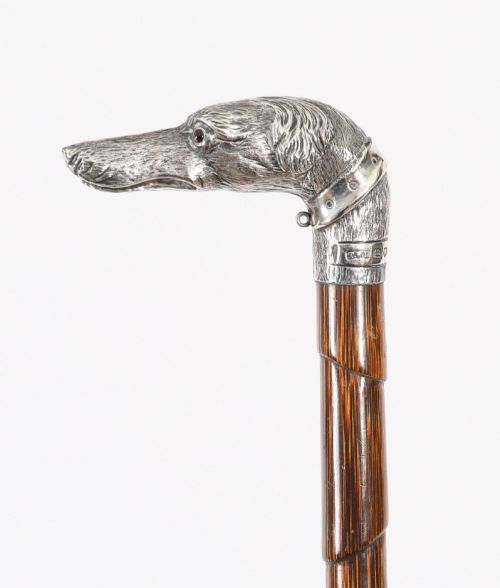
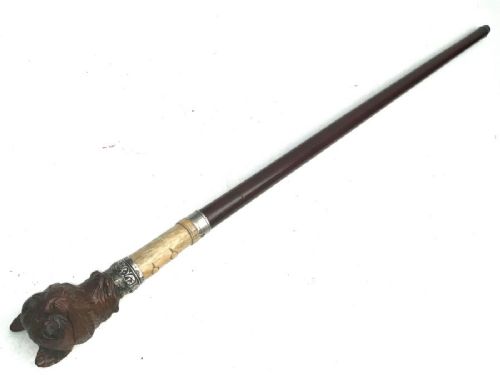
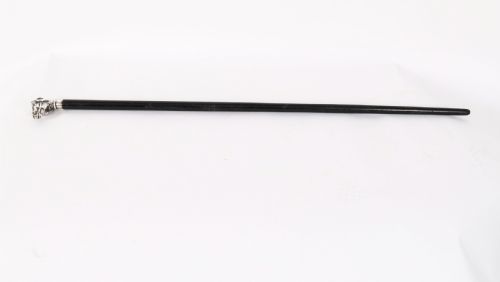
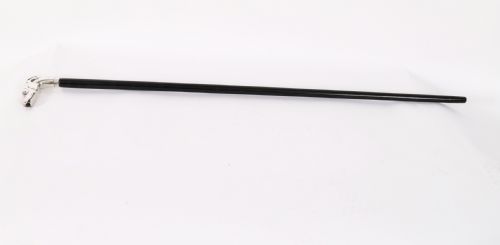
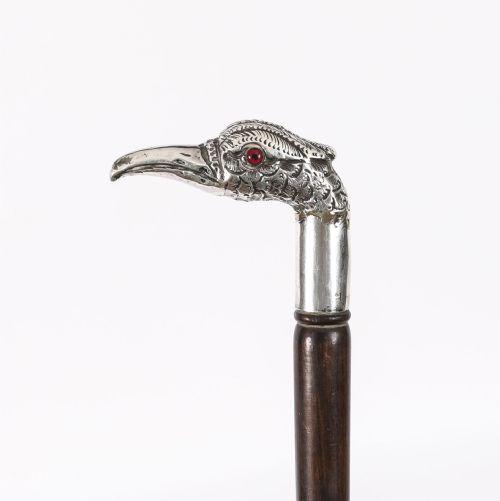
The selection here encompasses works from English, French, German, and Black Forest workshops, spanning the Victorian and Edwardian eras. Collectors encounter carved fruitwood fists, bone handles, and silver mounts depicting greyhounds, horses, boars, and hounds alongside folk art swagger sticks.
Materials and construction
Craftsmen shaped these walking sticks from hardwoods, malacca, bamboo, and snakewood, pairing natural shafts with handles carved from bone, horn, fruitwood, and ivory. Many pieces incorporate cast silver mounts, brass details, and glass components to finish the handles.
Makers integrated complex mechanisms directly into the timber shafts and handles, concealing blades, corkscrews, nut crackers, watches, and telescopes within the body of the cane. Carvers utilised detailed hand-carving techniques for animal heads like dogs, rabbits, and monkeys, sometimes adding articulation to the jaws.
Listings feature nineteen-century pieces incorporating silver, bone, horn, and glass materials across various European workshops.
Factors determining quality
Quality rests upon the precision of the hidden mechanism and the fidelity of the carved handle, where finer examples display sharp anatomical detail in animal heads such as greyhounds and boars. The integration of functional gadgets like working watches, telescopes, and concealed blades requires expert engineering that separates standard utility sticks from exceptional pieces.
Material selection dictates the standing of a piece, with heavy silver mounts, quality hallmarking, and dense exotic woods like snakewood commanding higher regard than basic timber. The overall balance and condition of both the shaft and the decorative handle define the piece.
The Victorian Novelty Cane Glossary
- Gadget cane
- A walking stick designed with a concealed tool, weapon, or instrument hidden inside the shaft or handle. These pieces include swords, corkscrews, watches, and telescopes.
- Pommel
- The knob or handle at the top of a walking stick. They appear carved as animal heads, clenched fists, or shaped from horn and silver.
- Black Forest
- A style of wood carving originating from the mountain region in Germany, known for realistic animal sculptures. Pieces frequently depict dogs and wildlife with deep texturing.
- Swagger stick
- A short, light cane carried by gentlemen or officers as a fashion accessory rather than for physical support. They often feature folk art carvings or decorative metal tips.
- Opaline glass
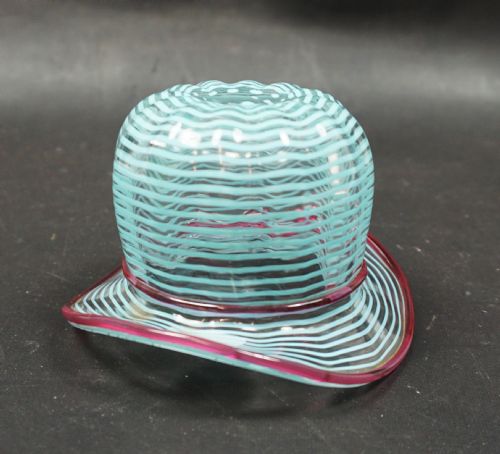
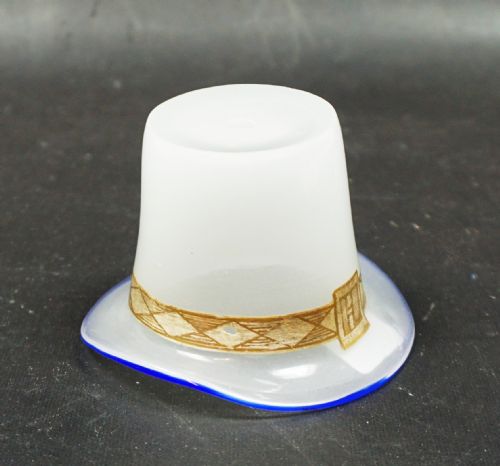
- A type of semi-opaque glass popular in the nineteenth century, sometimes used to form decorative hat items with cane borders.
Victorian Novelty Cane: Frequently Asked Questions
How were sword sticks used?
A sword stick served gentlemen as a dual-purpose walking aid and a discreet personal defence weapon during the nineteenth century. The blade remained locked securely inside the wooden shaft until released by a hidden catch.
Owners carried them routinely on town streets and country walks when personal security was a concern. The outward appearance resembled an ordinary gentleman's cane to avoid attracting attention.
How do I identify a Victorian cane?
Dating relies on examining the materials, hallmarks on the silver mounts, and the specific style of the carving. Nineteenth-century examples frequently utilise hardwoods like malacca and snakewood paired with bone or cast silver.
Makers often marked silver collars with assay office stamps and date letters that narrow the period of origin. Stylistic cues such as Black Forest animal motifs also point to specific manufacturing decades.
Are all novelty canes carved from wood?
While the main shafts are predominantly fashioned from hardwoods, bamboo, or malacca, the handles utilise a diverse range of materials. Carvers worked with bone, horn, ivory, fruitwood, and cast silver to shape the novelty tops.
Some pieces integrate glass or metal entirely into the design, moving away from traditional timber construction. The combination of differing materials often indicates the origin and workshop standard of the piece.