
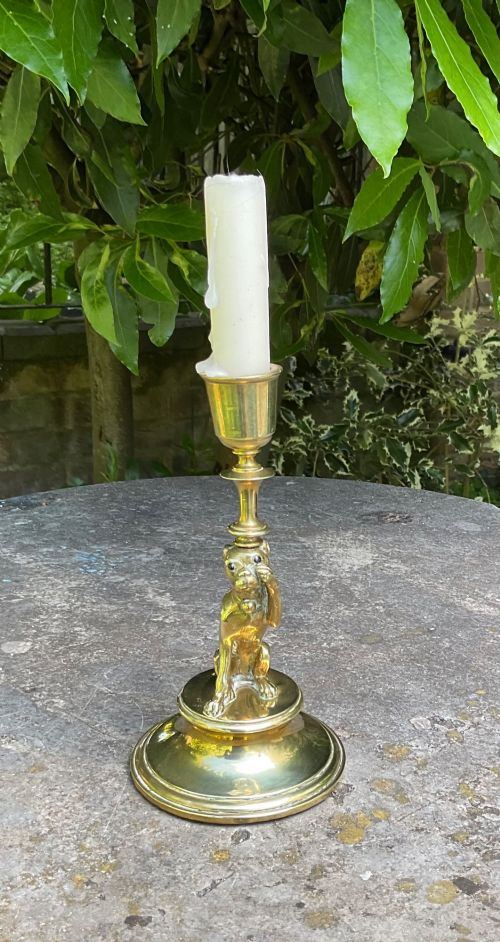


Victorian Novelty Brass
Victorian novelty brass pieces combine utilitarian desk objects with playful animal and figural forms that delight collectors.
Victorian Novelty Brass
Victorian novelty brass objects transform everyday desk accessories and household items into unexpected sculptural shapes. When searching for victorian novelty brass, collectors encounter inkwells, vesta cases, and desk compendiums modelled as animals, birds, and mechanical devices.
The forms span from realistic creatures like owls, dogs, and lizards to whimsical representations of boats, books, and sports equipment. These pieces served practical functions in the nineteenth-century study or drawing room while providing a touch of amusement.
Many items integrate base metals with contrasting materials such as glass eyes, wood mounts, or porcelain components. The selections reflect a period taste for ingenuity and decorative humour in domestic metalwork.
Materials and Manufacture
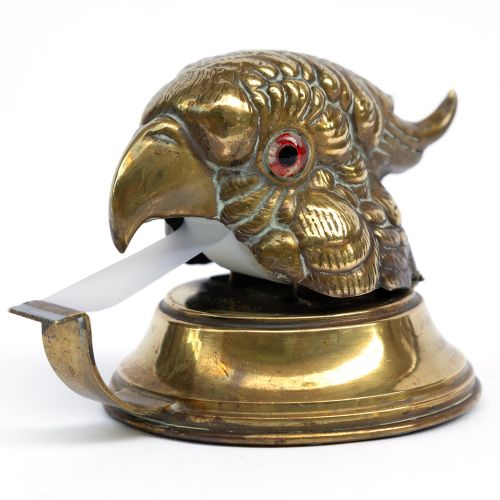
The objects rely primarily on cast brass, often finished with detailed chasing, bronzing, or silver plating to define feathers, fur, and mechanical joints. Foundries paired the metal with inset glass eyes, porcelain inserts, and wooden bases.
Complex items incorporate steel mechanisms, hinges, and clockwork movements to operate lids, inkwells, and automata. The combination of durable metal alloys with delicate additions like enamel and opaline glass required collaborative workshop specialisation.
Listings feature brass, porcelain, and wood materials applied to nineteenth-century inkwells and vesta cases.
Assessing Quality and Execution
Quality rests upon the crispness of the casting and the precision of the surface detail in rendering animal anatomy or mechanical components. Finer examples display hand-chiselled finishing that sharpens feathers, fur, and facial expressions.
The integration of secondary materials, such as undamaged glass eyes or properly fitted porcelain liners, separates standard production items from superior workshop output. Ingenuity in mechanical design and smooth operation of hinges or lids further distinguish the better pieces.
Andre Guilmet·Sitzendorf
The Victorian Novelty Brass Glossary
- Vesta case
- A small pocket or desk box designed to hold matches, frequently cast in figural or novelty shapes.
- Inkwell
- A small container for holding ink, often incorporated into larger figural desk stands featuring animals or architectural models.
- Compendium
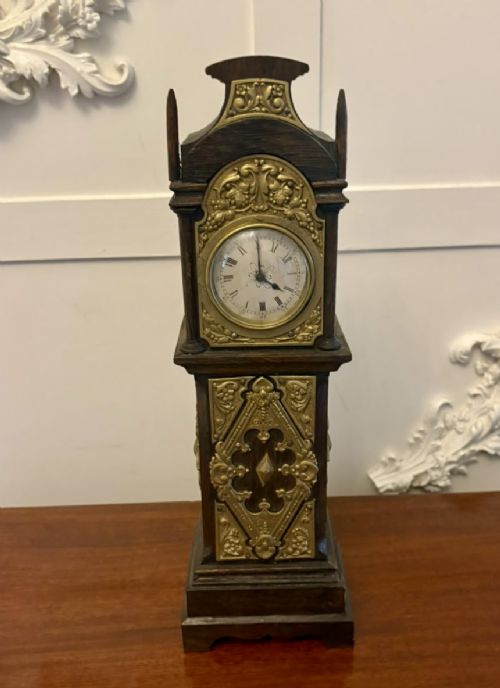
- A multi-functional desk accessory combining items such as clocks, barometers, and inkwells into a single unit.
- Automaton
- A mechanical device designed to mimic human or animal actions through hidden clockwork mechanisms.
- Animalier
- A nineteenth-century artistic style focusing on the realistic portrayal of animals, commonly applied to small bronzes and brass desk wares.
Victorian Novelty Brass: Frequently Asked Questions
What is victorian novelty brass?
These pieces are functional nineteenth-century desk wares and small containers cast in imaginative animal or mechanical shapes.
They combine practical utility with humorous or decorative designs intended for the Victorian writing desk.
How were these items used?
Owners used them for everyday desk tasks such as holding ink, dispensing matches, or checking the time.
Many functioned as conversation pieces in drawing rooms, concealing their practical purpose within playful sculptural forms.
How should I clean brass?
Dust the surface gently with a soft brush to preserve the patination and aged finish built up over decades.
Avoid harsh chemical polishes that remove historical character and wear from the metal.
Are the mechanisms original?
Many items feature working hinges, lids, and clockwork components designed to operate as intended during the nineteenth century.
Inspect the internal pins and joints to understand how the mechanical elements interact with the cast housing.