
Victorian Necklace
A victorian necklace brings together ornate goldwork, seed pearls, and historic lockets that capture nineteenth-century design traditions.
Victorian Necklace
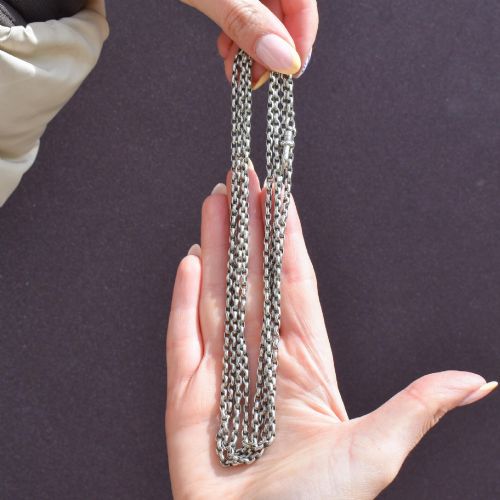
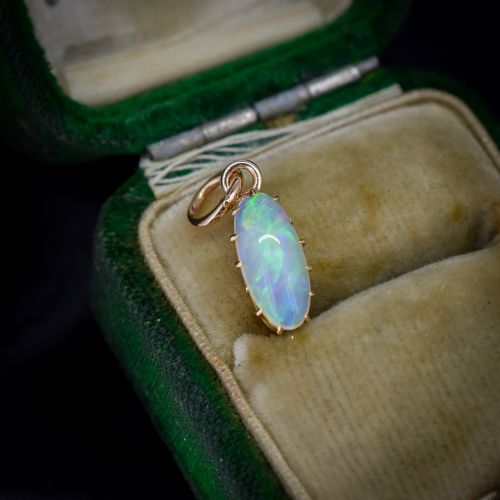
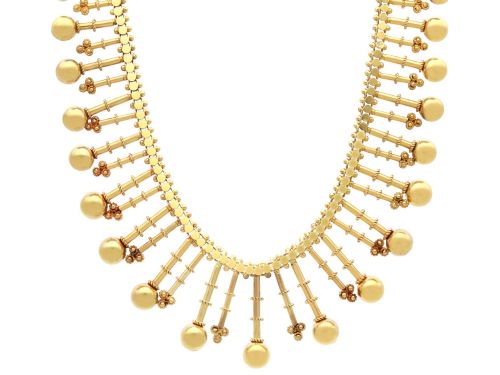
A victorian necklace encompasses long guard chains, hinged lockets, and delicate pendants set with seed pearls or coloured gemstones. These pieces originate from the nineteenth century and the early Edwardian era, reflecting historical revivals including Etruscan and Renaissance styles.
Buyers frequently encounter heavier watch chains repurposed as necklaces alongside floral drop pendants and gem-set cluster designs. Many items incorporate silver or gold standards ranging from lower nine-carat alloys up to higher eighteen-carat content.
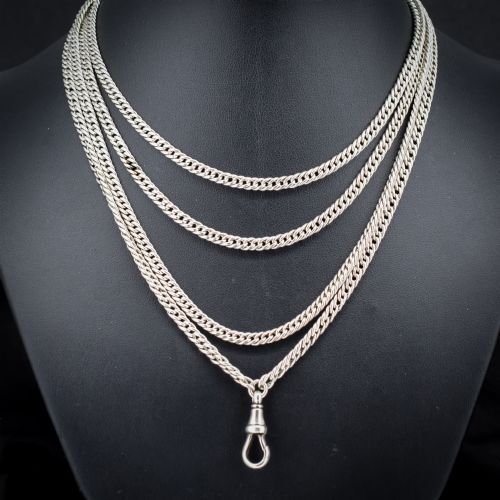
Shorter choker lengths and substantial longuards both appear regularly, offering versatile ways to wear period jewellery. Pendants often double as brooches, showing the multi-functional nature of nineteenth-century ornamentation.
Materials and construction
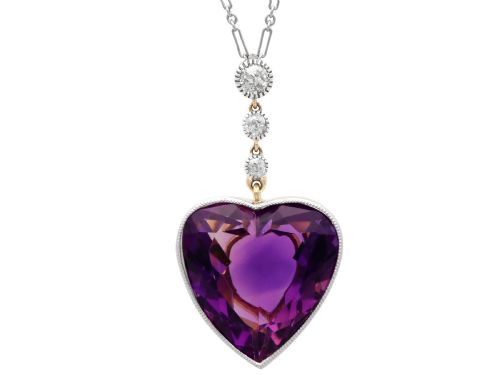
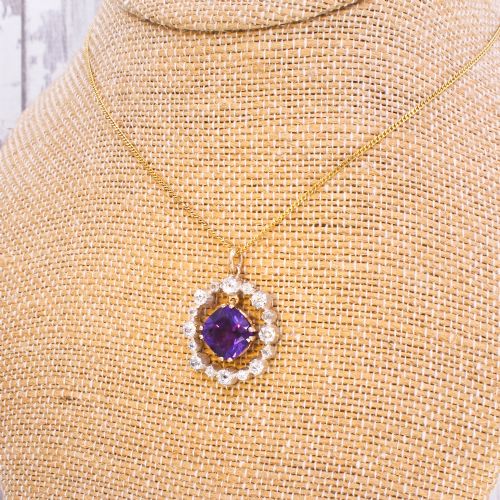
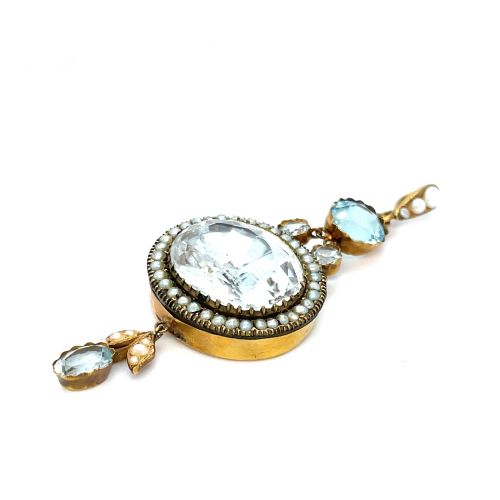
Goldsmiths utilised yellow and rose gold alloys alongside sterling silver to form tubular trombone links, curb chains, and solid bezels. Gemstones including amethysts, turquoise, garnets, and aquamarines were foil-backed or set open-back into secure collet mounts.
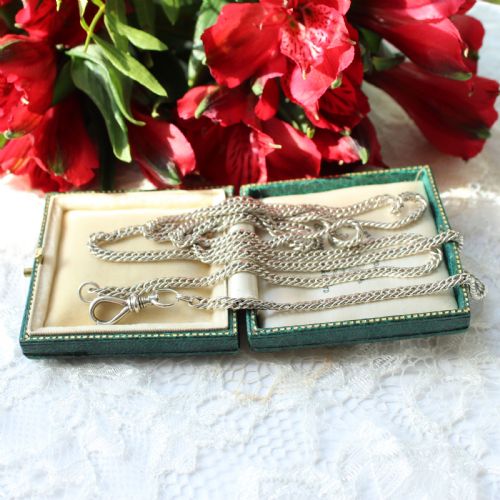
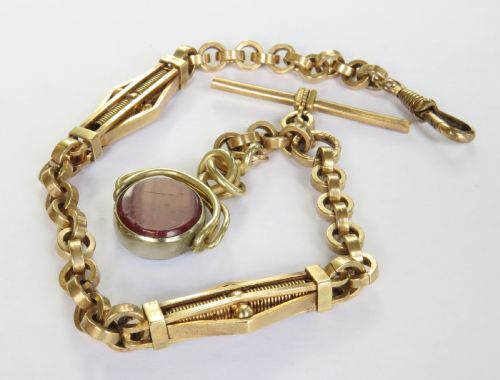
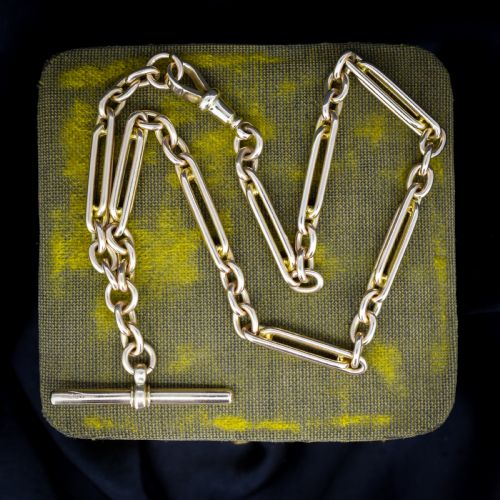
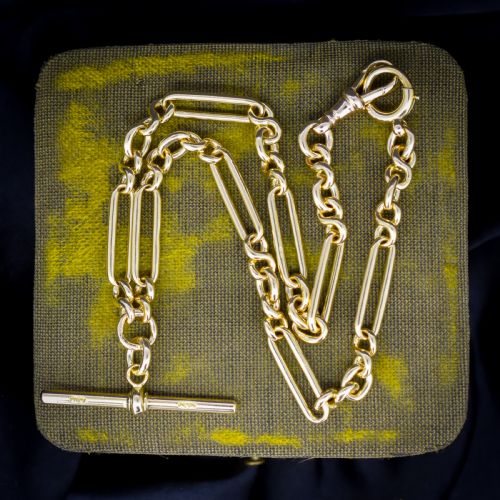
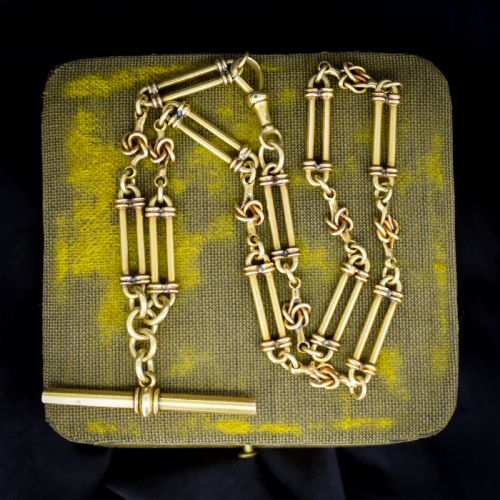
Intricate wirework, granulation, and seed pearl-work demanded precise hand assembly, with pearls often threaded on silk or fine wire and secured around central motifs. Watch chains incorporated functional dog clips, spring rings, and T-bars designed for daily utility.
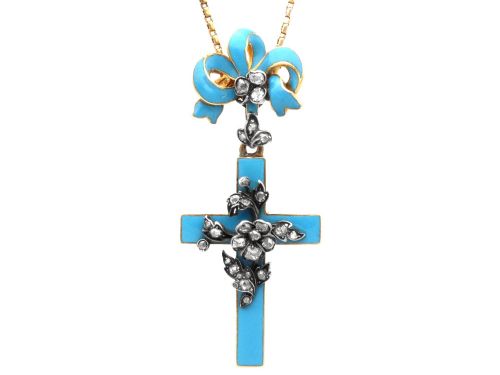
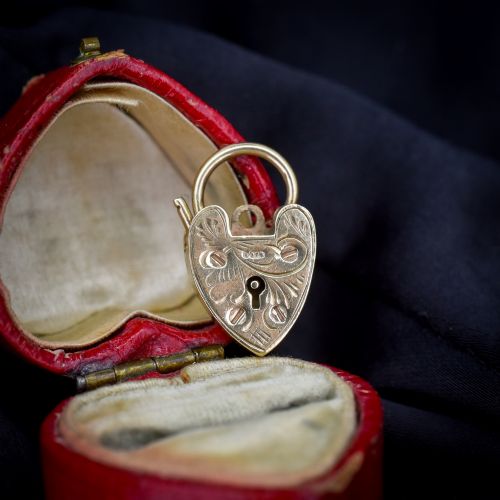
Pendant motifs recorded in the inventory include hearts, stars, crosses, insects, and floral clusters.
Distinguishing quality across pieces
Craftsmanship standards depend on the intricacy of the metalwork, the uniformity of hand-set pearls, and the depth of hand-engraving on lockets or links. Examples featuring articulated components or multi-gemstone pavé settings demonstrate higher levels of artisan skill.
The integrity of original clasps, hallmarks, and structural joints influences the overall standard of preservation. Pieces retaining all natural stones without modern replacements and maintaining crisp chased details sit firmly at the upper end of the range.
The Victorian Necklace Glossary
- Albert chain
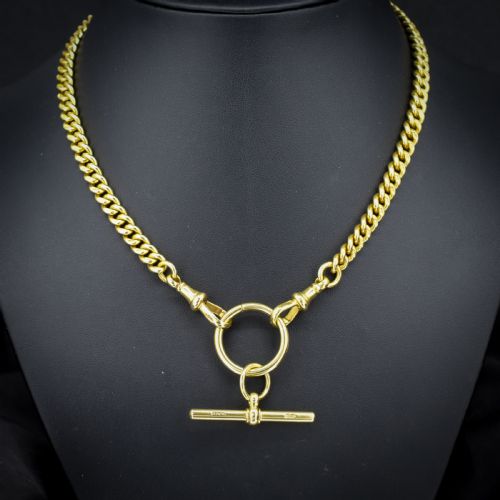
- A heavy watch chain originally designed to secure a pocket waistcoat watch, now frequently worn as a necklace.
- Dog clip
- A spring-loaded swivel fastening used to attach pendants or secure chain links together.
- Longuard chain
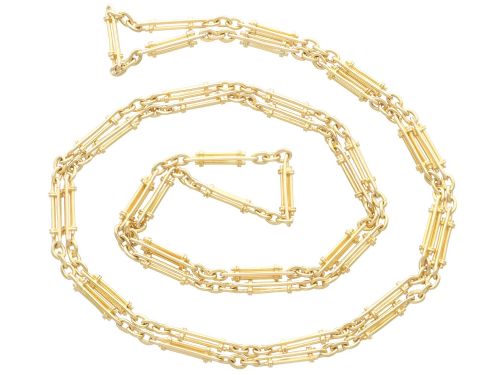
- An exceptionally long nineteenth-century chain designed to be worn doubled or draped around the neck.
- T-bar
- A short transverse metal bar attached to a watch chain, used originally to anchor the chain through a buttonhole.
Victorian Necklace: Frequently Asked Questions
How do I wear a long guard chain?
Long guard chains can be doubled around the neck to create a layered look or worn at their full length. Their substantial length makes them versatile for adding lockets or pendants.
Many of these chains feature integrated dog clips that allow the wearer to secure the ends together or attach a decorative fob.
Are these necklaces made of solid gold?
The pieces span various gold standards, including nine-carat, fifteen-carat, and eighteen-carat yellow and rose gold, alongside sterling silver and rolled gold variants.
Hallmarks and professional metal testing help determine the exact precious metal content of individual chains and pendant mounts.
What is an albert chain necklace?
An albert chain was originally manufactured in the nineteenth century for securing pocket watches to waistcoats. Today, collectors wear them as substantial link necklaces.
These chains often include distinct link variations such as trombone or curb patterns, frequently retaining their original T-bars and swivel clips.
How are seed pearls secured in these pendants?
Seed pearls in period jewellery are typically threaded onto fine wire or natural cord and pegged individually into place. This traditional mounting method ensures each tiny pearl sits flush within the gold or silver design.
Close inspection reveals the delicate hand-drilled placement characteristic of nineteenth-century assembly techniques.