



Victorian Mirror Console
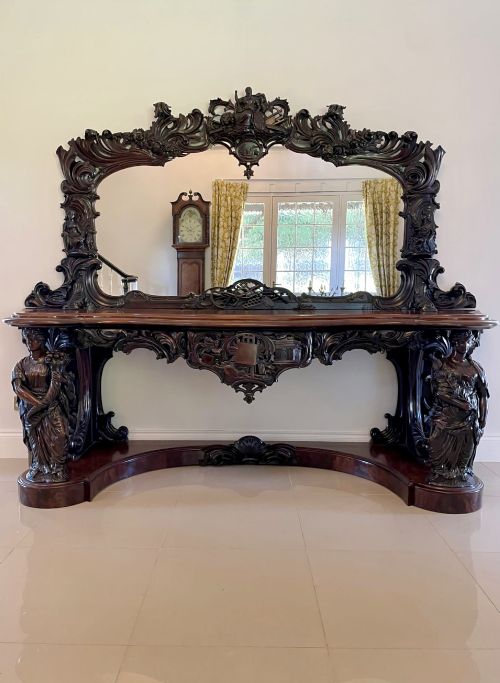
A victorian mirror console combines a reflective glass surface with a sturdy table base, offering both decorative presence and practical utility for an interior space.
Victorian Mirror Console
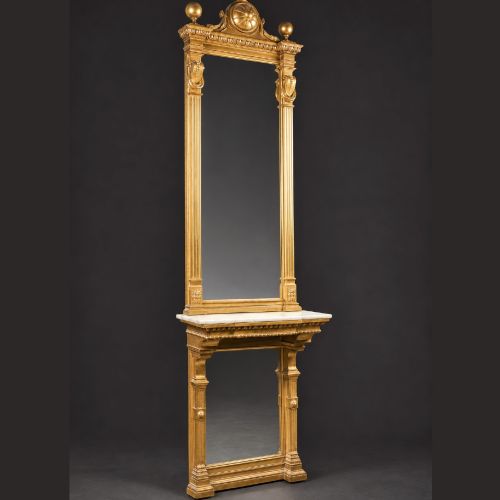
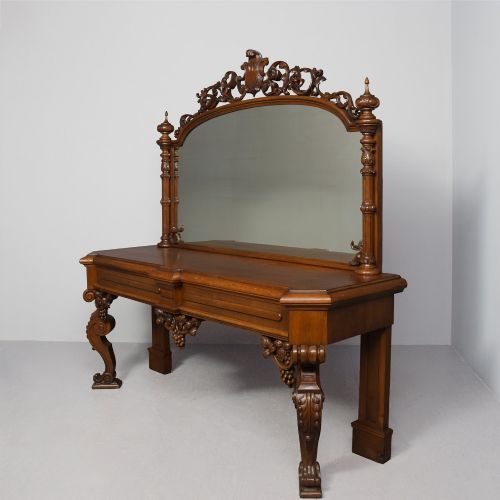
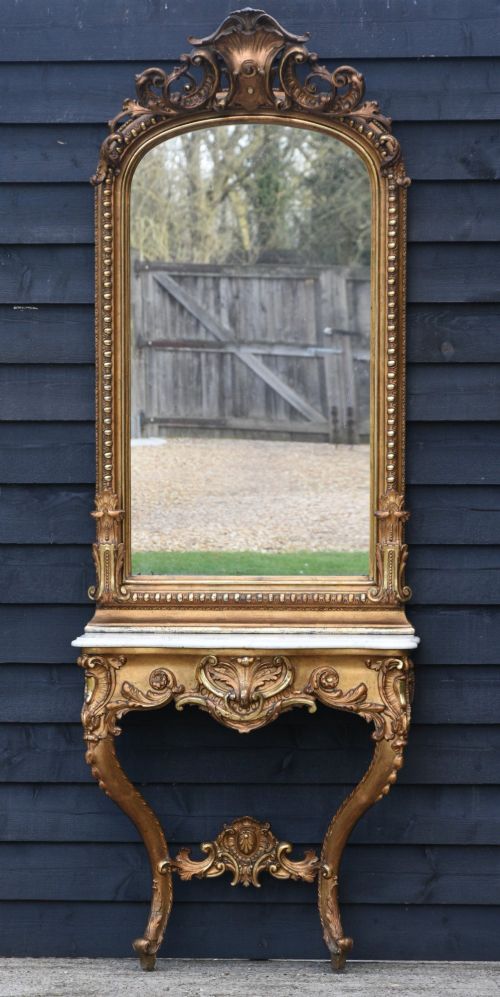
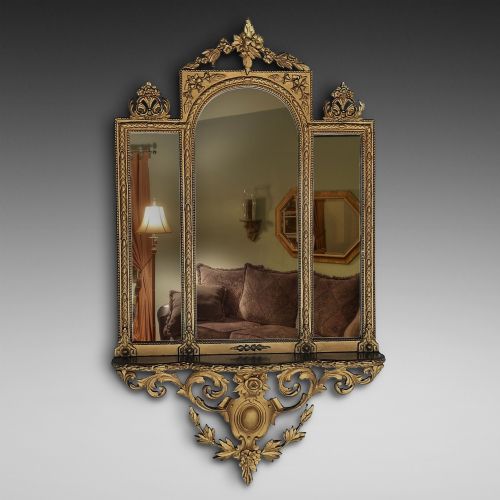
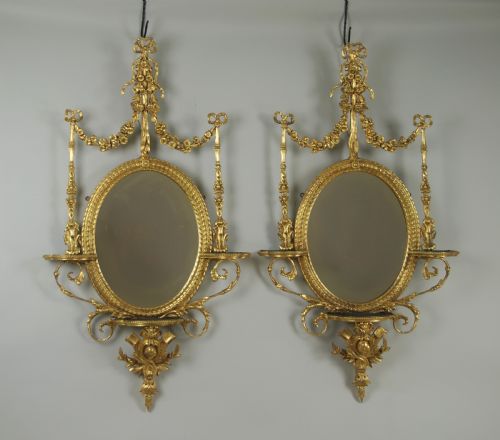
A victorian mirror console brings together a pier mirror or wall glass and a matching console table, originating primarily from the nineteenth century. These items span various revival movements such as Rococo and Neoclassical, reflecting the eclectic tastes of the period. Buyers most frequently encounter substantial mahogany and giltwood examples designed for grand hallways or principal reception rooms.
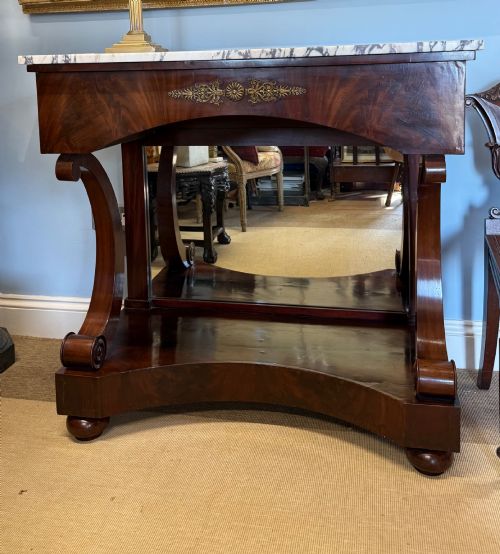
The selection ranges from large exhibition quality mirror-backed console tables to narrower hall stands incorporating marble shelves and mirror glass. Walnut, oak, and rosewood also appear among the timber constructions alongside elaborate giltwood and gesso frames. Regional variations encompass French and Italian influences alongside English craftsmanship.
Materials and Construction
Craftsmen utilised dense hardwoods such as mahogany and walnut for the console tables and cabinets, often incorporating flame veneers and marquetry details. Marble slabs form the tops of many tables, providing a cool and durable surface above the wooden framework. Giltwood and gesso create the ornate, hand-carved frames associated with the pier mirrors and console combinations.
Mirror glass sits within these carved or moulded surrounds, sometimes paired with brass hardware and ceramic tile inserts. Joinery methods of the nineteenth century ensured structural stability for heavy marble components and tall glass plates.
Victorian Mirror Console Retail Price Guide 2026
Typical asking prices for victorian mirror console among the pieces listed under this phrase on Sellingantiques today, from the lower quarter to the upper quarter. They describe what is for sale here now, not the wider market.
Listings feature nineteenth-century materials including giltwood, marble, flame mahogany, and gesso across console tables and pier mirrors.
Markers of Distinction
Quality rests upon the depth and crispness of the hand-carved ornament on the giltwood and mahogany surfaces, where finer pieces display intricate relief work rather than cast composition details. The selection of timber veneers, such as figured flame mahogany or burr walnut, dictates visual richness.
The integration between the mirror frame and the console base, alongside the thickness and quality of the original marble top and silvered mirror glass, separates standard production from exhibition grade specimens.
Ellen E. Houghton of Minton·Donald Ross
The Victorian Mirror Console Glossary
- Console table
- A table designed to stand against a wall, frequently supported by brackets or front legs and paired with a matching mirror. These pieces occupy minimal floor space while providing a display surface.
- Pier mirror
- A tall mirror specifically proportioned to hang on the wall space between windows, often placed directly above a console table. It reflects additional light into the room.
- Giltwood
- Wood that has been coated with gold leaf or a gold-coloured metallic finish over a prepared gesso layer. This technique produces the bright, reflective frames seen on nineteenth-century mirrors.
- Gesso
- A plaster-like mixture applied to wood surfaces as a base for gilding or painting. It allows craftsmen to carve intricate relief details before applying gold leaf.
- Marquetry
- The art of applying decorative veneer pieces in wood to form geometric or floral patterns on furniture surfaces. This technique highlights the skill of the cabinet maker.
Victorian Mirror Console: Frequently Asked Questions
Where should I place a victorian mirror console?
These pieces suit entrance halls, drawing rooms, and principal living spaces where they can be mounted securely against a solid wall. Their vertical proportion makes them effective for adding a sense of height and light to a room.
Ensure the wall construction supports the combined weight of the heavy timber frame, mirror glass, and stone top if applicable.
How do I care for the marble top?
Marble surfaces require regular cleaning with a soft, damp cloth and neutral soap to prevent staining from liquids. Avoid abrasive cleaners and acidic substances that can etch the polished stone.
Waxing is generally unnecessary for polished marble, though wooden bases benefit from appropriate furniture care.
What is the difference between a pier mirror and a wall mirror?
A pier mirror is specifically designed to fit the narrow wall space between two windows, typically standing above a matching console table. Standard wall mirrors are proportioned for general placement across various room layouts.
Both types utilise nineteenth-century glass and giltwood or mahogany framing techniques.
Are these tables freestanding?
Console tables require support against a wall, often featuring two front legs while relying on wall attachment or brackets for complete stability. Mirror-backed variations combine the table and glass into a unified structure.
Checking the original mounting points helps determine how the piece secures to the interior architecture.