


Victorian Milk Vessel
These victorian milk vessel pieces are domestic and dairy items in copper, ironstone, and terracotta that bring genuine rural utility into a modern room.
Victorian Milk Vessel
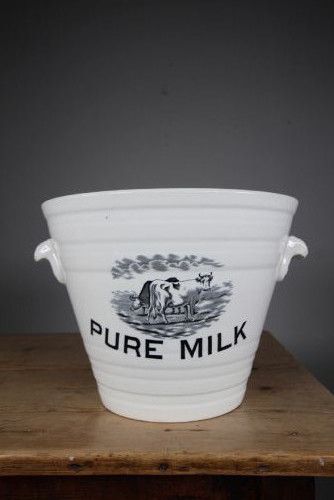
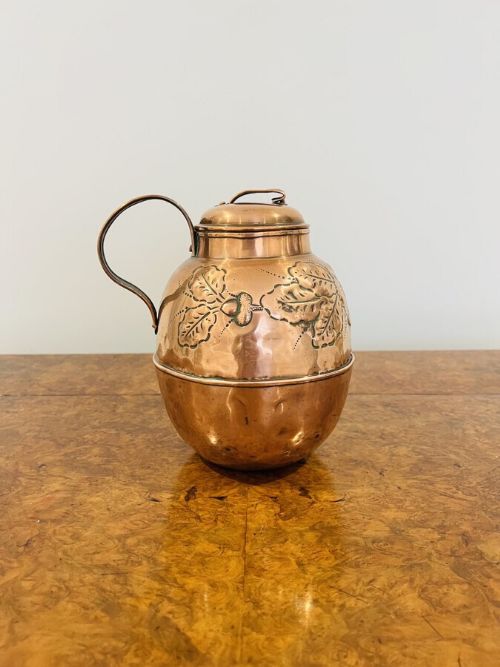
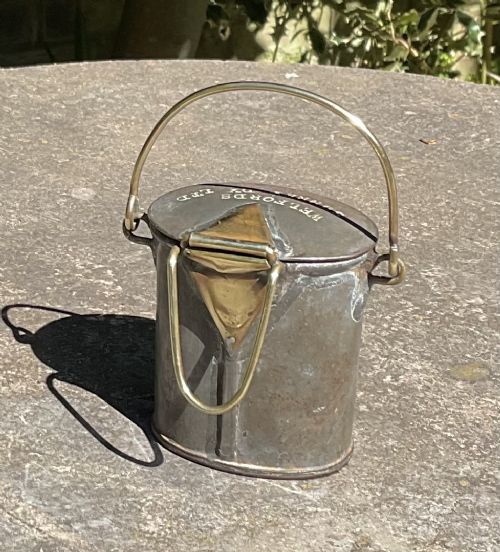
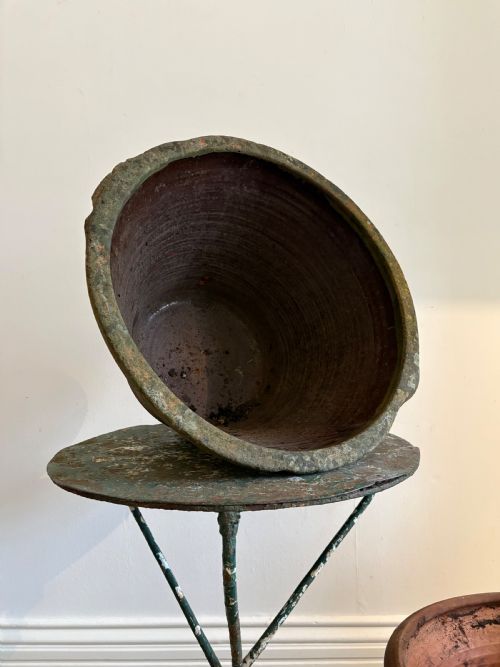
A victorian milk vessel covers utilitarian dairy ware ranging from copper Jersey cans and brass milk jugs to earthenware dairy bowls and ironstone pails. You are most likely to meet hardworking metal cans and glazed ceramic bowls that reflect everyday rural life.
The objects span periods from the mid-nineteenth century through the Edwardian era, showing both rustic farmhouse utility and Arts and Crafts design sensibilities. Forms include cream cans, dairy bowls, and cow creamers designed for holding or serving milk.
Materials and construction
Metal vessels utilise sheet copper and brass, often featuring hand-beaten surfaces and soldered joints that withstand heavy farm work. Copper and brass pieces show the warm metallic tones characteristic of utilitarian workshop production.
Ceramic forms employ ironstone, terracotta, and earthenware with glazed interiors designed to hold liquids safely. Copeland and Jackfield pottery examples demonstrate moulded bodies finished with specialised glazes.
Assessing quality in dairy vessels
Quality rests in the heaviness of the gauge of metal used for copper cans and the crispness of moulding on ceramic creamers. Superior pieces display thoughtful construction details rather than rushed mass production.
Surface preservation separates standard examples from exceptional ones, particularly where original interior glazes remain intact or metal surfaces retain honest patination without excessive modern intervention.
The Victorian Milk Vessel Glossary
- Ironstone
- A heavy, durable type of earthenware patented in the nineteenth century. It resists chipping better than standard pottery and was widely used for utilitarian dairy items.
- Jersey can
- A tall, narrow metal can traditionally used for transporting or storing milk on farms. These vessels often feature fitted lids and sturdy carrying handles.
- Cow creamer
- A ceramic pitcher shaped in the form of a cow with an opening on the back for filling and milk pouring from the mouth. They are whimsical examples of domestic table ware.
- Dairy bowl
- A wide, open ceramic vessel used historically for setting milk so the cream could rise to the top. They often feature glazed interiors to facilitate easy cleaning.
Victorian Milk Vessel: Frequently Asked Questions
What were these milk vessels used for?
These pieces served practical roles in nineteenth and early twentieth century dairies, from skimming cream in wide earthenware bowls to transporting milk in heavy metal cans.
Farms and households relied on these durable containers daily before modern refrigeration and stainless steel distribution changed milk handling.
How do I clean a copper milk jug?
Dust copper and brass vessels gently with a soft cloth to preserve the historical surface patination that collectors value. Avoid harsh chemical cleaners that strip away the aged character accumulated over decades.
If washing is necessary for ceramic bowls or ironstone, use mild soap and warm water, drying thoroughly afterwards.
Are these items safe for daily kitchen use?
While ceramic bowls and ironstone pieces are generally stable, older glazes and metal interiors may not meet modern food safety standards for acidic liquids. Most buyers display them as decorative objects rather than utilising them for food preparation.
Examine the interior glaze or lining carefully before deciding to use any vessel with consumables.
How can I tell a Victorian can from an Edwardian one?
Dating relies on stylistic shifts visible in the manufacture, transitioning from mid-century utilitarian shapes to later Arts and Crafts decorative metalwork. Maker marks and stamped dairy names also help anchor pieces to specific decades.
Consult the listed periods and materials to compare construction details across different eras.