




Victorian Metal Plant Stand
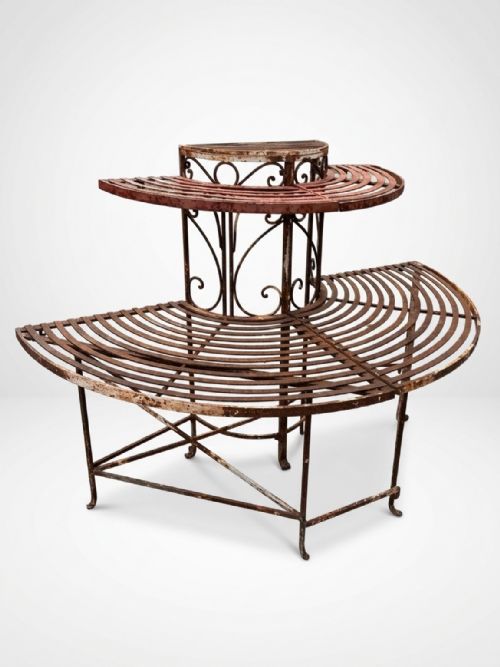
These robust victorian metal plant stand examples bring architectural form to greenery, offering sturdy tiers and scrollwork baskets designed to elevate foliage inside the home or conservatory.
Victorian Metal Plant Stand
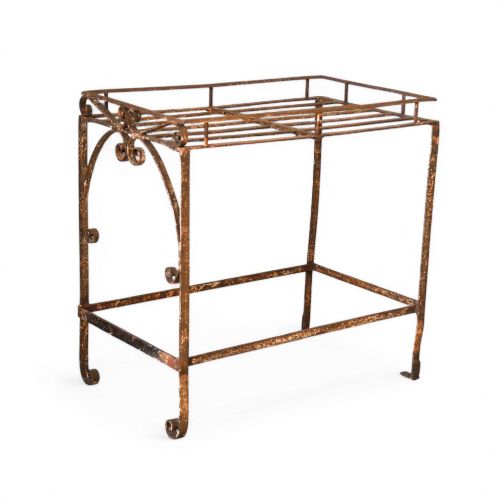
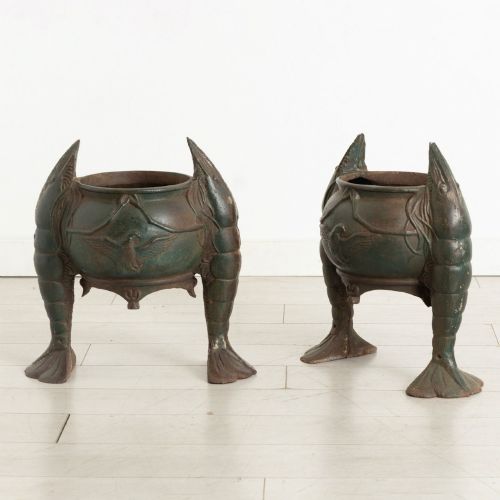
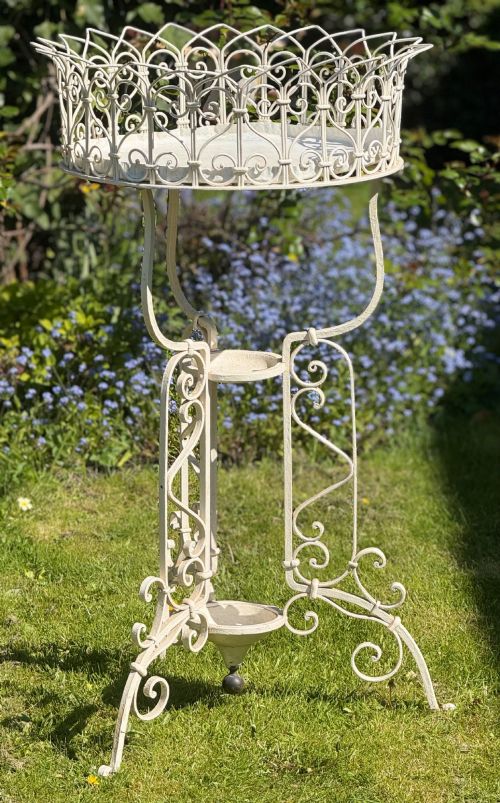
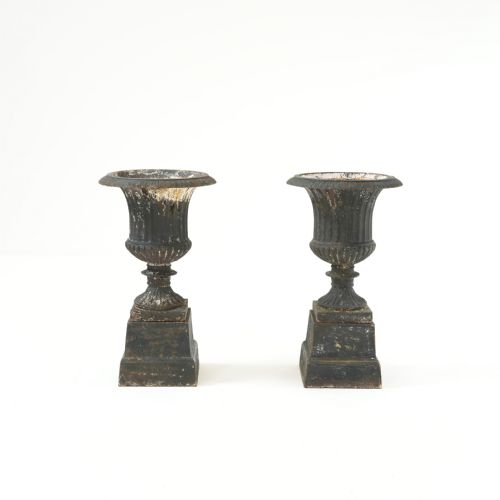
A victorian metal plant stand encompasses a range of architectural supports designed for displaying flora, spanning multi-tiered garden racks, heavy cast urns on plinths, and delicate wirework jardinieres. The pieces appearing here predominantly date from the nineteenth century through to the early twentieth century, taking forms such as corner stands, kettle trivets, and bakers racks.
Buyers seeking this phrase encounter sturdy outdoor furnishings and lighter interior display pieces shaped from iron, brass, and copper. Origins stretch across English country houses and French workshops, utilising materials chosen to withstand moisture while providing decorative scrollwork or lattice baskets for potted plants.
What varies in quality
The distinction between ordinary utility items and exceptional pieces rests in the ambition of the metalwork and the crispness of the casting. Heavy, estate-made wrought iron with complex scrollwork commands attention through its sculptural weight, whereas mass-produced utilitarian frames display simpler joints and thinner gauges of metal.
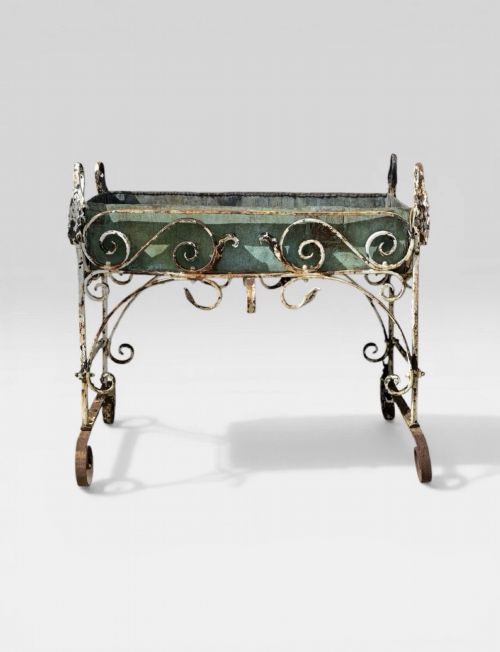
Design complexity also separates standard containers from superior examples, visible in detailed lattice baskets, riveted construction, and integrated brass elements. Surface patination, weathered paint layers, and the survival of original zinc liners or stands further influence the character of each piece.
The Victorian Metal Plant Stand Glossary
- Wrought iron
- Iron beaten or bent into shape while hot, prized for its fibrous tensile strength and ability to form delicate scrolls. It appears frequently in nineteenth-century garden racks and plant holders.
- Cast iron
- Molten iron poured into a mould to create rigid forms, heavy urns, and sturdy tiered stands. It allows for repetitive decorative relief work and substantial load-bearing capacity.
- Wirework
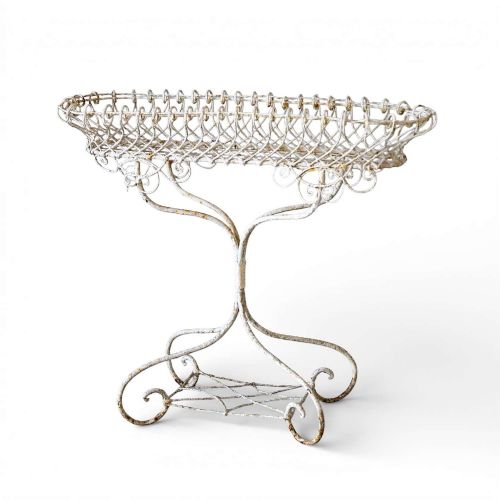
- Framework constructed from thin metal wire twisted and soldered into mesh or tiered baskets. This technique produced light, airy jardinieres suited for conservatory display.
- Campana urn
- A bell-shaped garden vessel with an everted rim and a stepped foot, typically rendered in cast iron. These vessels often sit atop dedicated plinths or stands.
- Jardiniere
- An ornamental pot or stand designed to hold growing plants or flowers. In metalwork, these often feature pierced galleries, brass bodies, or integrated saucers.
Victorian Metal Plant Stand: Frequently Asked Questions
Where should I place a heavy cast iron stand?
These robust stands suit sheltered garden patios, conservatories, or heavy-traffic indoor hallways where their weight provides natural stability. Their weather-resistant materials handle damp environments well when maintained.
Ensure the floor surface is level and capable of supporting substantial iron weight, particularly for multi-tiered structures holding multiple potted plants.
Can wirework plant stands hold heavy pots?
Fine wirework stands were originally engineered for lighter conservatory flora, trailing ivy, and delicate potted ferns. Placing exceptionally heavy ceramic containers on delicate wire tiers risks bending the structure.
Distribute weight evenly across the tiers, reserving the sturdiest lower shelves for larger pots and lighter specimens for upper wire baskets.
How do I care for antique painted iron?
Maintain painted iron surfaces by gently brushing away dust and moisture with a soft cloth. Avoid harsh chemical cleaners that might strip historical layers of paint.
If outdoor placement leads to surface oxidation, treat the affected area promptly and apply a protective coating matching the existing weathered finish.
What is the difference between brass and iron stands?
Brass stands were predominantly created for refined interior spaces like parlours and drawing rooms, often featuring polished surfaces or pierced jardiniere bowls. Iron stands served heavier domestic, conservatory, or garden utility.
Brass offers a brighter metallic tone that develops a warm patina, whereas iron provides industrial strength and sculptural silhouette for heavier garden displays.