


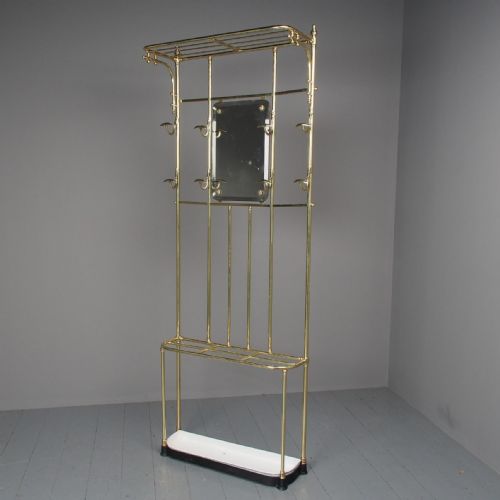


Victorian Metal Mirror
These Victorian metal mirror pieces bring solid period character to a room, offering both useful reflection and robust craftsmanship.
Victorian Metal Mirror
A victorian metal mirror brings together utilitarian reflection and decorative metalwork, spanning wall-hung formats, dressing table accessories, and console arrangements. Buyers searching for a victorian metal mirror will encounter everything from small cushion-framed brass pieces to larger cast iron or gilt bronze works.
The selection here draws heavily from nineteenth-century workshops, incorporating French Rococo, Dutch Baroque Revival, and Aesthetic styles. Alongside standard wall mirrors, the category often includes table-top dressing mirrors and hand mirrors featuring detailed metal mounts.
Materials and construction methods
Makers utilised cast and forged metals, predominantly brass, bronze, cast iron, and copper, often mounted on wooden backings or combined with glass. Metal elements were cast, embossed, or hand-chased to create textured frames and decorative crests.
Finishes range from polished gilt bronze and champlevé enamel work to patinated cast iron and embossed brass. Glass components comprise standard mirror glass alongside bevelled plates fitted securely into heavy metal structures.
Victorian Metal Mirror Retail Price Guide 2026
Typical asking prices for victorian metal mirror among the pieces listed under this phrase on Sellingantiques today, from the lower quarter to the upper quarter. They describe what is for sale here now, not the wider market.
Certain cast iron mirrors feature reassuring mottoes cast directly into the metal frame to greet visitors.
Factors influencing quality and craftsmanship
The distinction between standard output and finer pieces lies in the crispness of the metal casting and the depth of hand-embossing. Superior examples display sharply defined motifs, such as mask crests or floral detailing, rather than soft or repetitive pressings.
Construction integrity also dictates grade, with higher quality items showing secure joints, substantial metal weight, and original mirror glass free from heavy degradation. The integration of decorative elements, including champlevé enamel or matched pairs, elevates the standing of individual pieces.
The Victorian Metal Mirror Glossary
- Champlevé
- An enamelling technique where troughs are carved into the metal surface and filled with vitreous enamel before firing. This method creates colourful decorative patterns on brass and bronze frames.
- Cushion Framed
- A frame style with a rounded, convex profile that swells outward toward the outer edge. This form was frequently utilised in Victorian brass mirrors to catch the light.
- Spelter
- An alloy of zinc and other metals cast to imitate bronze, often patinated or painted. It served as a popular material for decorative figures and frames during the late nineteenth and early twentieth centuries.
- Aesthetic Movement
- A late nineteenth-century design style that emphasised visual beauty over narrative or moral content. Pieces from this period often incorporate stylised natural motifs and contrasting metal finishes.
- Embossed Brass
- Sheet brass beaten or pressed from the reverse side to raise a design in relief. This technique allowed makers to produce ornate decorative frames with relatively lightweight materials.
Victorian Metal Mirror: Frequently Asked Questions
How do I clean a brass frame?
Dust the metal gently with a soft, dry cloth to remove surface particles.
Avoid abrasive polishes that can strip patination and historic finishes from the metal.
Are these mirrors heavy to hang?
Many cast iron and bronze pieces carry significant weight due to their solid metal construction.
Ensure proper wall fixings and wall plugs are used to support heavy frames securely.
Can I place a mirror in a bathroom?
High humidity can affect both the metal frames and the silvering on older mirror glass.
Dry environments suit these pieces best to preserve the original materials and backing.
How do I identify an Aesthetic period piece?
Look for stylised floral motifs, geometric symmetry, and mixed metal tones like brass and copper.
These designs reflect the late nineteenth-century shift toward artistic craftsmanship.