



Victorian Metal Measure
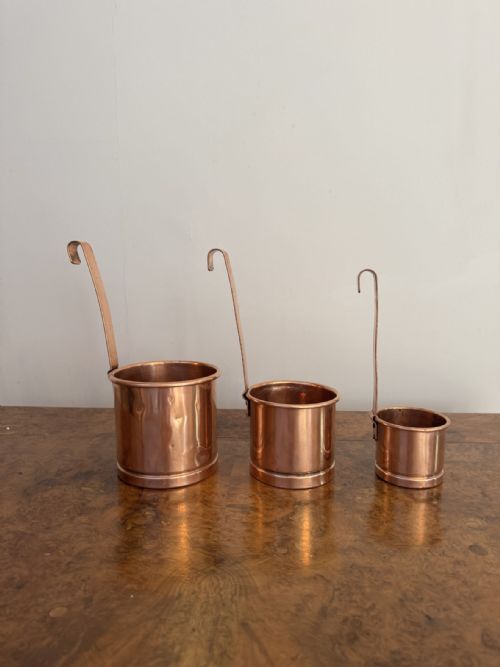
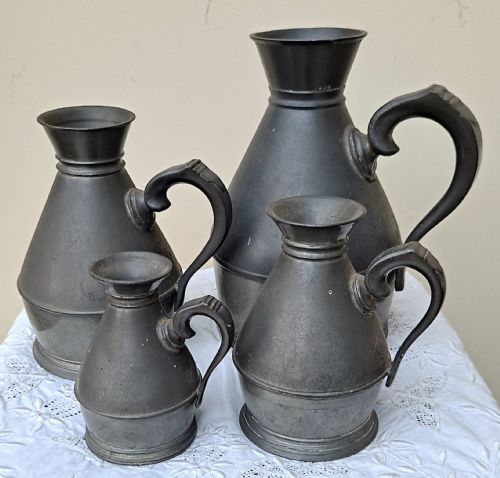
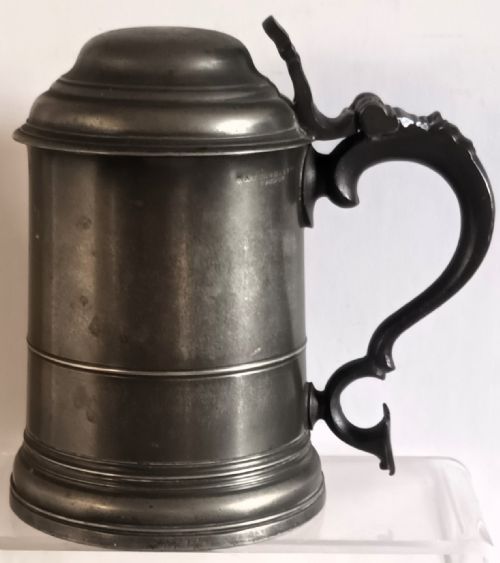
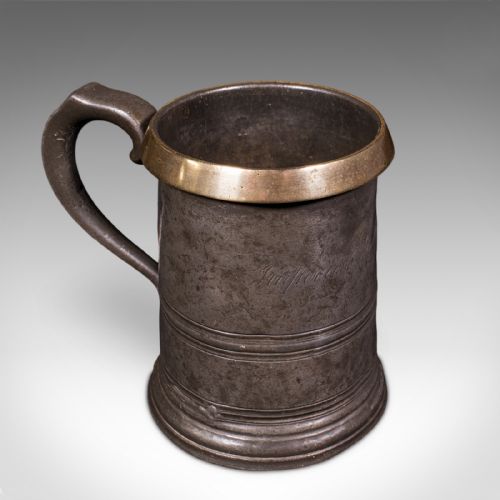
These robust victorian metal measure pieces range from copper harvest jugs to pewter tavern tankards, built for utility and prized today for their honest form.
Victorian Metal Measure
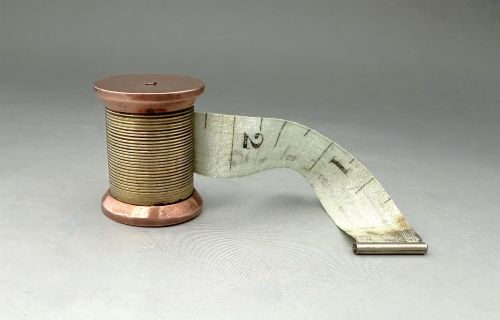
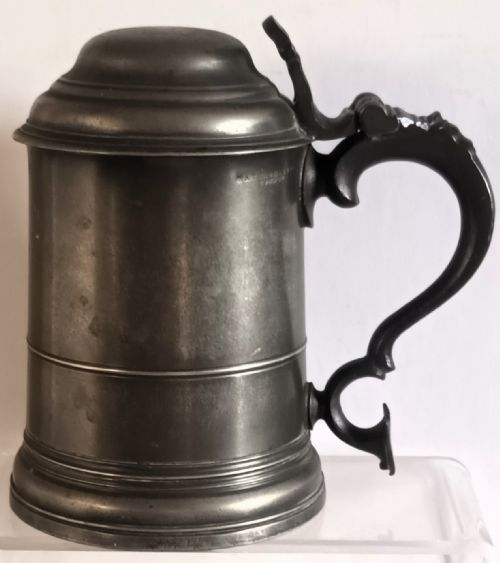
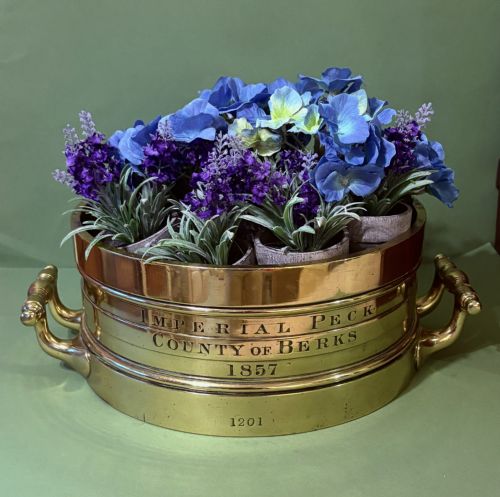
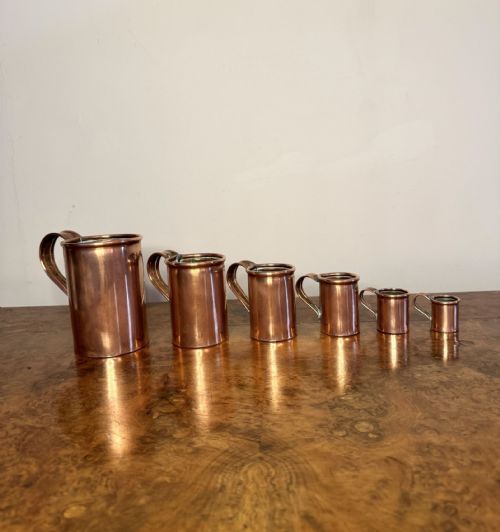
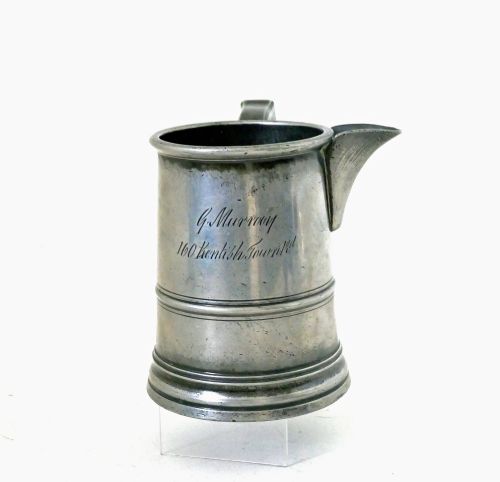
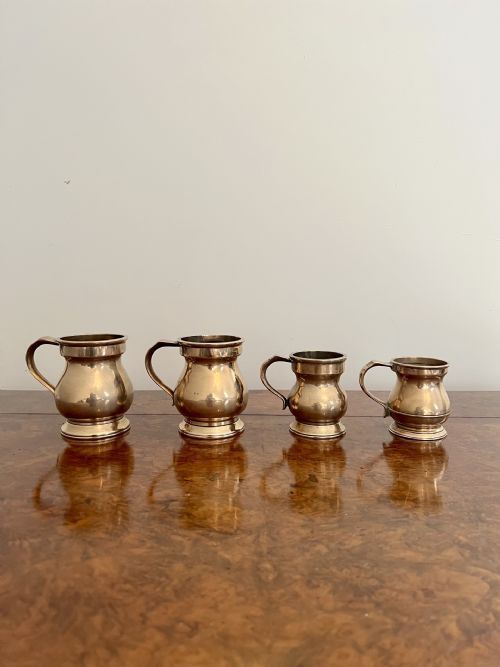
A victorian metal measure takes many practical forms, including copper harvest jugs, brass haystack measures, and pewter tavern tankards. These items originated as working tavern equipment or official standards used in public houses and markets.
The most common versions on this page are copper jugs and pewter tankards, alongside sets of imperial weights and measures. Regional variations such as Irish haystack measures and Scottish pint vessels also appear.
Dated examples and regional pieces point to localized production across England, Ireland, and Scotland during the nineteenth century. Many pieces carry stamps or engravings denoting specific counties, boroughs, or makers.
Materials and Construction
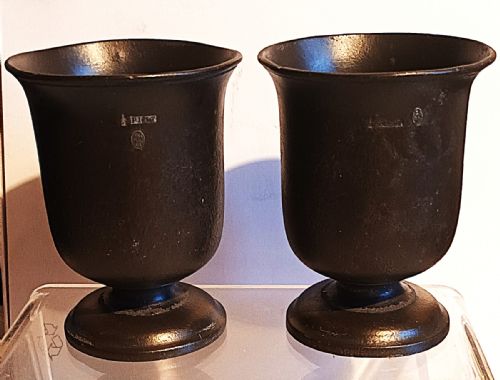
Heavy gauge copper and brass form the brighter vessels, often shaped with soldered or riveted seams to hold liquids securely. Pewter examples rely on a tin-alloy composition that allows for smooth casting into bell shapes and lidded tankards.
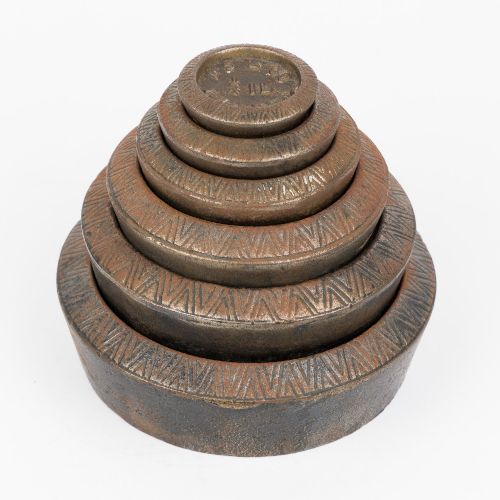
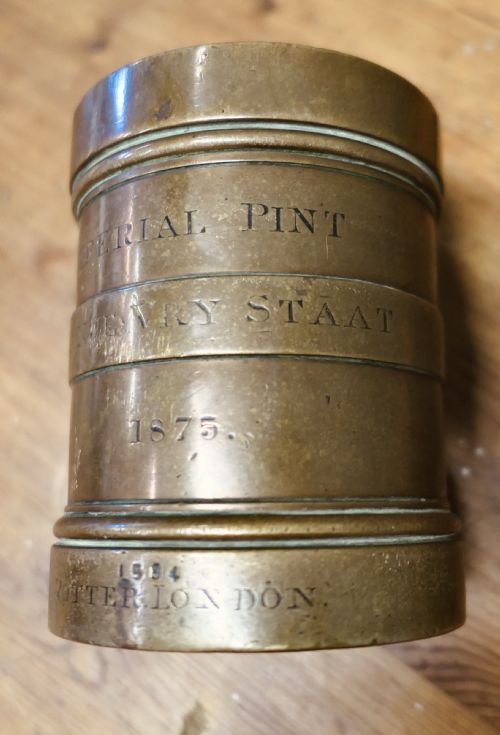
Surface details involve hand engraving for names, capacities, and verification marks, alongside tin linings inside drinking vessels. Cast iron and bronze appear in weighing apparatuses and scientific instruments associated with standardisation.
Victorian Metal Measure Retail Price Guide 2026
Typical asking prices for victorian metal measure among the pieces listed under this phrase on Sellingantiques today, from the lower quarter to the upper quarter. They describe what is for sale here now, not the wider market.
Listings feature copper, brass, pewter, and bronze across nineteenth-century forms including jugs, tankards, haystack measures, and standard weights.
Assessing Quality
Quality rests in the heaviness of the metal gauge and the integrity of the original form, whether in a single gallon flagon or a matched set of graduated jugs. Finer pieces retain crisp capacity stamps, clear maker engravings, and unperforated bodies.
The presence of complete sets, such as stacked imperial weights or graduated measures, elevates the standing of the group. Original surface patination and minimal structural alteration distinguish superior examples from heavily restored pieces.
De Grave Short And Co·Potter·Watts And Harton·J Bower·S Hancock
The Victorian Metal Measure Glossary
- Haystack measure
- A distinctively curved Irish or English pewter or brass liquid measure shaped like a traditional hayrick. These vessels typically feature a wide base tapering inward toward the rim.
- Tavern measure
- A public house vessel designed for serving or storing ale and spirits. These jugs and tankards often bear official crown verification marks.
- Imperial standard
- An officially sanctioned weight or volume measure regulated by government standards. These items were used by inspectors to verify commercial accuracy in markets and boroughs.
- Breweriana
- Collectable items associated with the brewing and serving of beer. This category includes public house tankards, copper flagons, and graduated jugs.
Victorian Metal Measure: Frequently Asked Questions
What is a haystack measure?
A haystack measure is a traditional liquid container with a bulbous base and a tapered neck, commonly found in brass or pewter.
These distinctive vessels were utilised in public houses and for agricultural trading across Ireland and Britain during the nineteenth century.
How were these measures used?
These metal vessels served as standard volumes for measuring and serving ale, wine, and grain in markets and taverns.
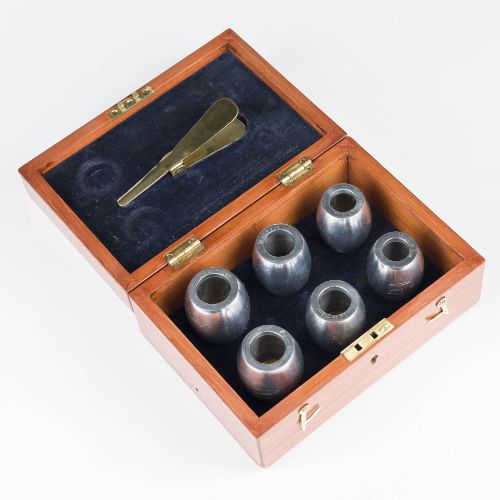
Official inspectors also used specialised sets of weights and measures to verify commercial accuracy across different boroughs and counties.
How do I identify a period piece?
Period pieces often display nineteenth-century verification stamps, maker touchmarks, and engraved town or borough names.
Heavier metal gauges and traditional construction methods, such as hand-soldered copper seams, also indicate authentic Victorian origin.
How should I display them at home?
These metal vessels suit kitchenalia displays, open shelving, or fireplace hearths where their polished copper and aged pewter surfaces stand out.
Matched sets of graduated jugs or stacked weights look particularly striking arranged on wooden surfaces.