


Victorian Metal Kerb
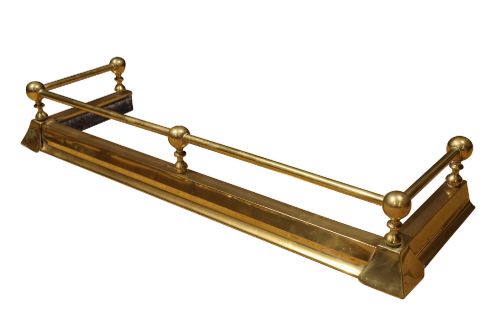
A Victorian metal kerb frames the hearth with weight and structure, grounding the fireplace while keeping stray embers from the floor.
Victorian Metal Kerb
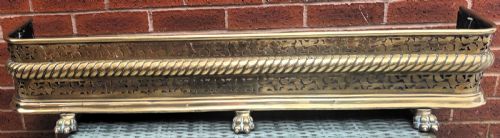
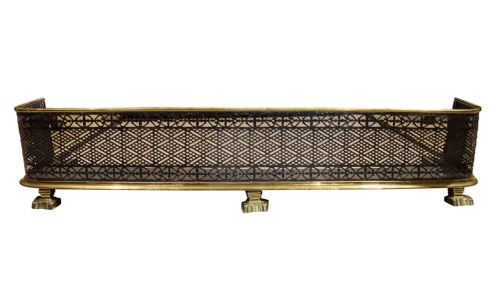
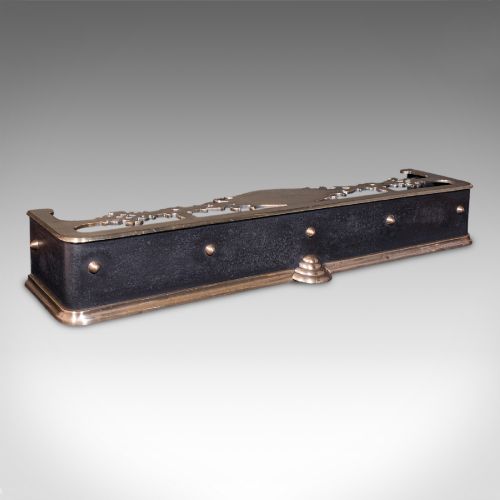
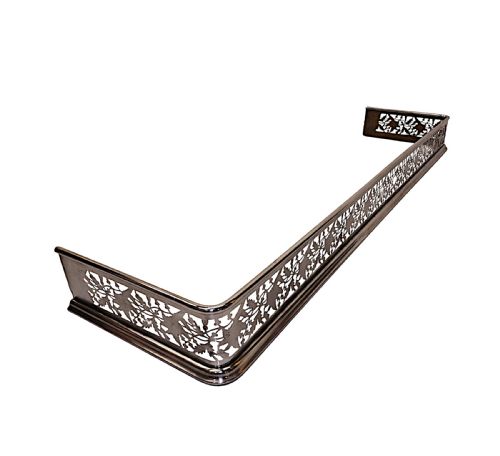
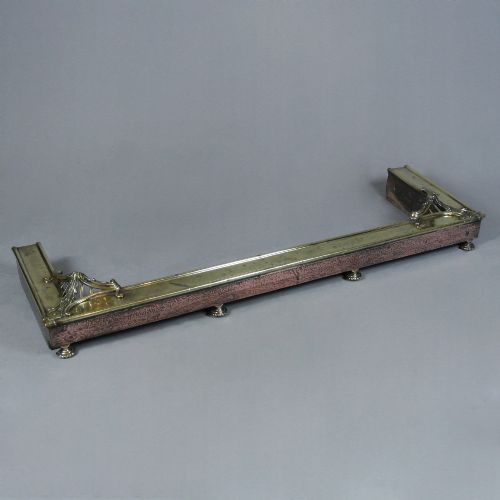
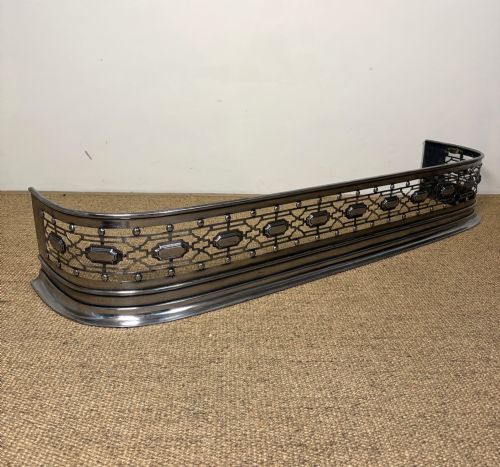
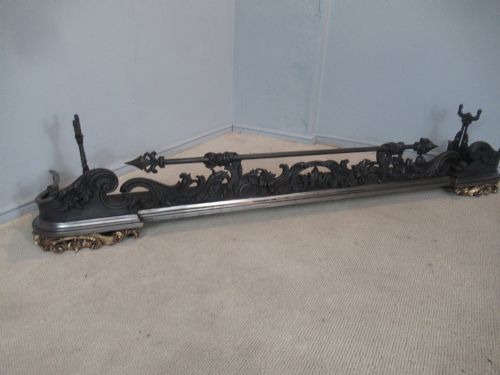
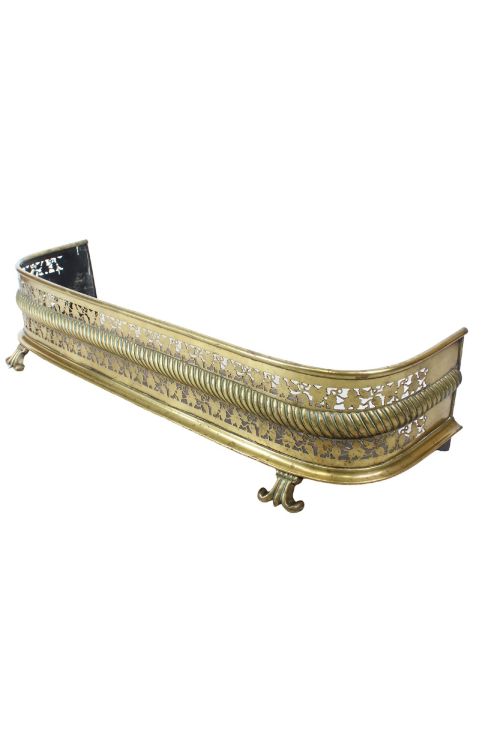
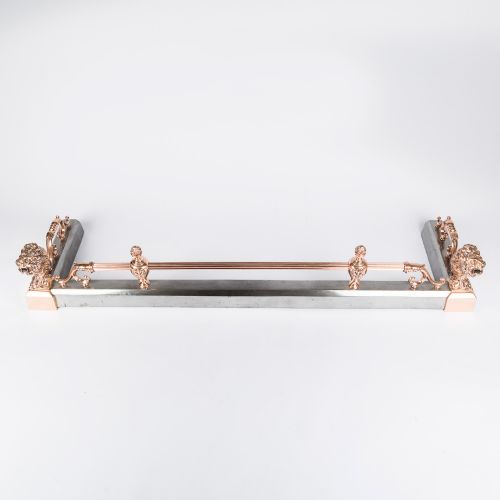
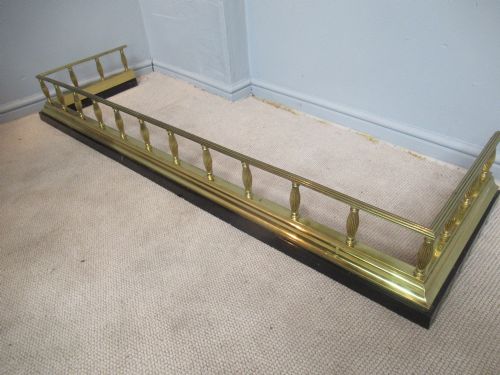
A Victorian metal kerb primarily takes the form of a fireplace fender or kerb, encountered mainly in nineteenth-century designs spanning the Victorian, Edwardian, and Georgian periods. These hearth surrounds structure the fireplace opening, often extending straight across or wrapping the hearth floor.
The assortment on this page relies heavily on nineteenth-century craftsmanship, with specific pieces dated across decades from eighteen-fifty to nineteen-hundred. Common variations include adjustable extending frames and solid cast iron bases suited to period fireplaces.
Materials and construction methods
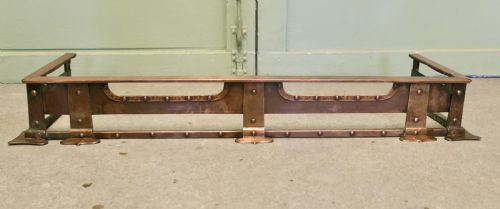
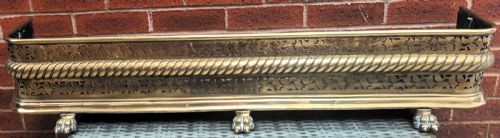
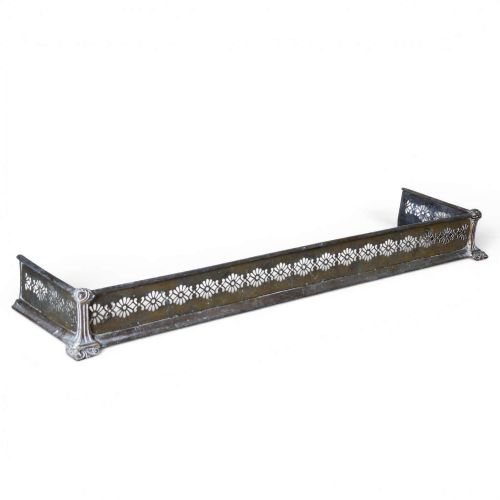
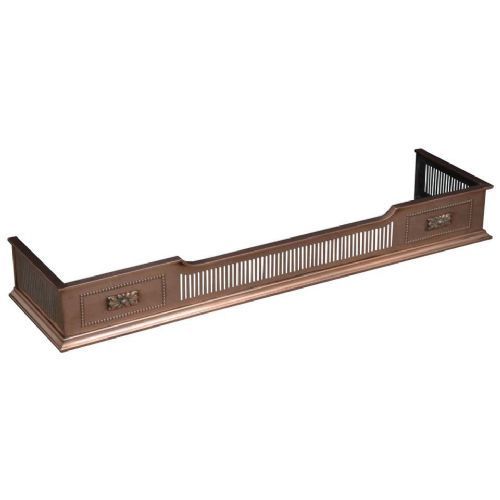
Makers constructed these hearth surrounds in brass, steel, copper, and iron, frequently combining cast iron frames with polished or burnished steel and bright brass elements. Pierced sheet metal, riveted copper plates, and beaten finishes demonstrate the primary metalworking techniques of the era.
Surface treatments range from black finishes on iron to carefully patinated copper and polished steel adorned with cast details such as flower patera, dragons, and lions.
Victorian Metal Kerb Retail Price Guide 2026
Typical asking prices for victorian metal kerb among the pieces listed under this phrase on Sellingantiques today, from the lower quarter to the upper quarter. They describe what is for sale here now, not the wider market.
Listings feature nineteen-century dates alongside Edwardian and Georgian periods, utilising materials such as burnished steel, beaten copper, and pierced brass.
Distinctions in craftsmanship and finish
Quality separates simple cast iron barriers from heavier, finely articulated brass and steel assemblies that incorporate complex pierced patterns and robust gauge metals. The presence of hand-beaten copper panels, cast brass ornamentation, and fully restored structural elements elevates the grade of an individual hearth surround.
Thicker gauge metals and well-executed decorative motifs, such as beaded decoration or integrated tool rests, distinguish finer examples from standard utilitarian fire guards.
The Victorian Metal Kerb Glossary
- Kerb
- A low enclosing border or fender placed around the hearth of an open fireplace. It contains hot coals and sparks while framing the fireplace opening.
- Fender
- A low metal guard placed in front of an open fire. These items serve the same physical function as a kerb and the terms are used interchangeably in listings.
- Patera
- A circular ornamental bas-relief resembling a classical libation dish. These decorative motifs frequently appear stamped or cast upon the corners of brass and copper fenders.
- Pierced brass
- Sheet brass perforated with decorative fretwork or geometric openings. This technique lightens the visual weight of nineteenth-century hearth guards.
Victorian Metal Kerb: Frequently Asked Questions
How do I measure for a fender?
Measure the width and depth of your hearth stone to ensure the metal kerb sits securely within or around the perimeter. Pay attention to the internal and external dimensions so the frame clears the fireplace opening properly.
Some period fenders feature extending mechanisms that allow the width to adjust, while others are fixed rigid structures requiring exact alignment with your fireplace surround.
How should I clean polished brass?
Dust the metal surface gently with a soft dry cloth to remove loose particles and surface grit. Avoid harsh abrasive compounds that can strip historic patination from nineteenth-century brass and copper.
If polishing is necessary for bright brass components, apply a mild metal cleaner sparingly with a clean cloth, taking care not to stain adjacent iron or steel elements.
Are these kerbs suitable for modern fires?
These metal kerbs function effectively with traditional open fires, gas log inserts, and decorative hearth setups. Their primary structural purpose remains the containment of ash and embers.
Ensure the dimensions of the hearth accessory match the heat output and physical layout of your specific fireplace installation before placement.