



Victorian Metal Display
Victorian metal display pieces bring industrial strength and ornate design together, offering practical display surfaces and striking focal points for modern interiors.
Victorian Metal Display
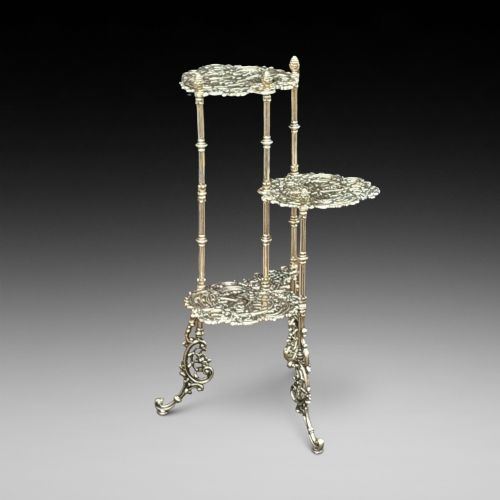
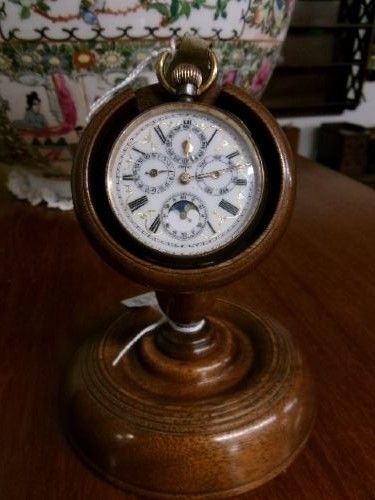
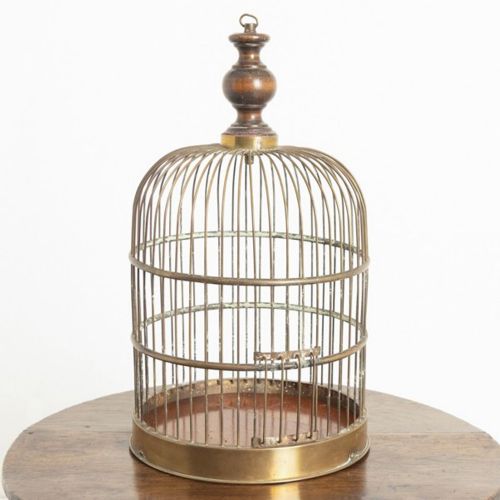
When you search for Victorian metal display, you encounter a varied selection of nineteenth-century stands, plant holders, and decorative containers constructed from robust metals. These items range from tiered plant stands in cast iron to intricate brass bird cages and gilt-metal mounted furniture.
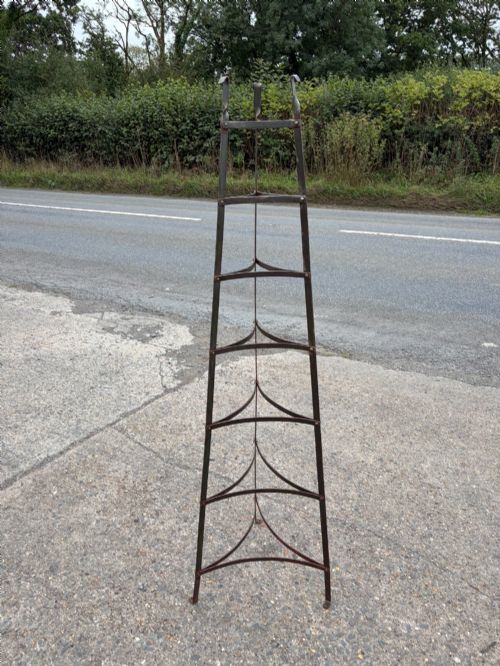
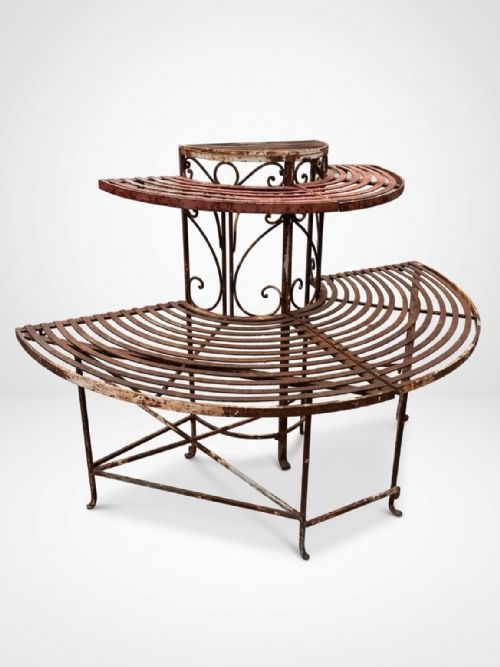
The objects serve both utilitarian and ornamental functions, originating from domestic, retail, and garden settings across the nineteenth century. Plant stands and plant tiers dominate the selection, alongside shop canisters, display urns, and specialised shelving units.
Pieces from this era reflect the stylistic shifts of the period, incorporating Gothic Revival, Rococo Revival, and French Napoleon III influences alongside straightforward utilitarian ironwork. This variety allows collectors to find items suited for both garden rooms and formal interior displays.
What varies in quality
Quality in these metal display items depends on the crispness of the casting, the complexity of the scroll-work, and the preservation of original surface finishes like paint or gilding. Superior examples display refined proportions and hand-finished details rather than mass-produced uniformity.
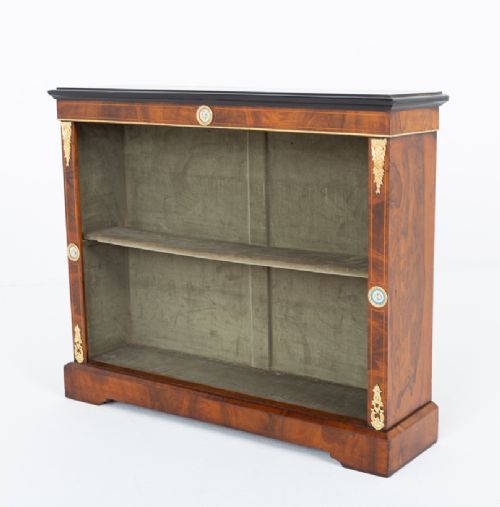
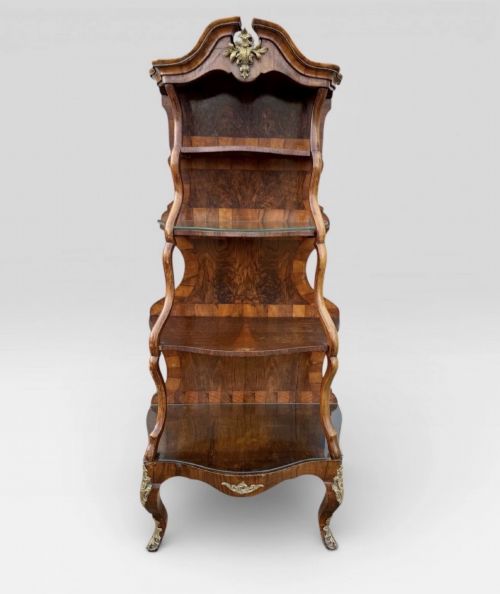
The integration of mixed materials, such as porcelain mounts or walnut veneers on display cabinets and stands, distinguishes finer pieces from purely utilitarian items. Structural soundness in multi-tiered stands and wirework frames also indicates the standard of original manufacture.
Victorian Metal Display Retail Price Guide 2026
Typical asking prices for victorian metal display among the pieces listed under this phrase on Sellingantiques today, from the lower quarter to the upper quarter. They describe what is for sale here now, not the wider market.
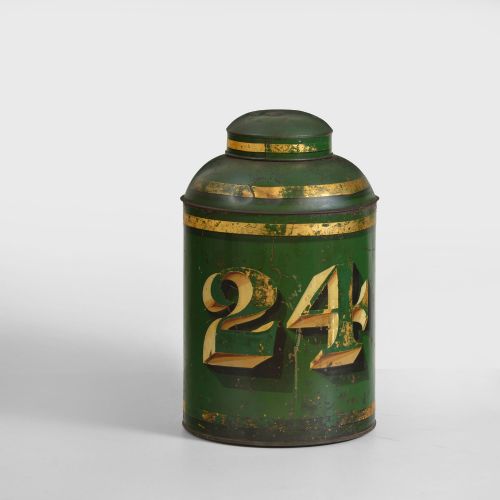
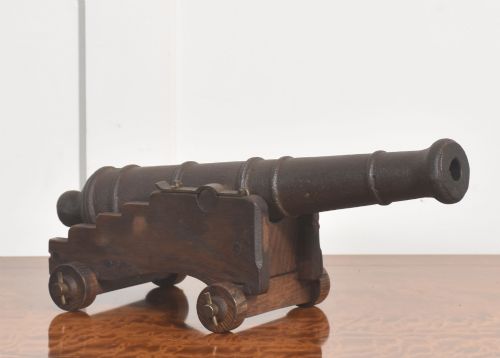
Cast iron signal cannons mounted on oak carriages sit alongside delicate bird cages and tea canisters in this varied assembly.
The Victorian Metal Display Glossary
- Toleware
- Painted or lacquered metalware, typically tin or steel, often finished with decorative Japanese or floral motifs.
- Ormolu
- Gilded bronze applied as a decorative mount on furniture, clocks, and decorative objects.
- Repoussé
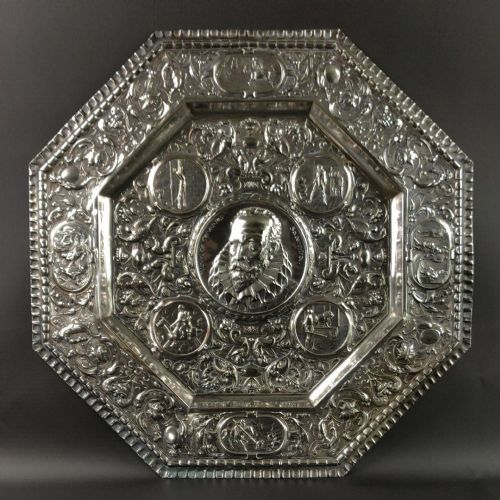
- A metalworking technique where the metal is hammered from the reverse side to form a raised design in relief.
- Jardinere
- An ornamental pot or stand designed to hold plants or flowers, frequently made from cast iron, brass, or bronze.
- Gilt metal
- Base metal treated with a thin layer of gold or gold-coloured finish to simulate solid gold hardware.
Victorian Metal Display: Frequently Asked Questions
How are antique plant stands constructed?
Plant stands from this era rely on cast iron, wrought iron, or brass to support multiple tiers for vegetation and decorative objects. Riveted joints and wire frames provide stability while maintaining an open, airy silhouette.
Many designs incorporate scroll-work or tripod legs to distribute weight evenly across the tiers, ensuring the stand remains secure on uneven flooring.
What materials make up toleware items?
Toleware consists of metal, usually tinplate or iron, treated with layers of paint or lacquer to create a durable, decorative surface. Artisans often applied hand-painted scenes or gilt accents over a dark base coat.
This technique protected the underlying metal from rust while offering a polished appearance suitable for domestic display and storage.
How do you date nineteenth-century metal displays?
Dating relies on identifying manufacturing techniques, stylistic markers, and material combinations recorded across the period. Cast iron components often feature registry marks or foundry numbers characteristic of nineteenth-century production.
Stylistic influences, such as Gothic Revival or Napoleon III, help narrow the timeframe alongside the evolution of wirework and fastening methods used in assembly.
Where were shop canisters used?
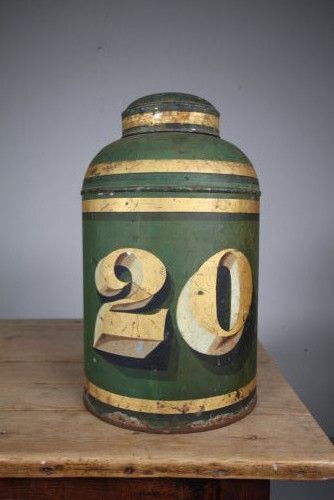
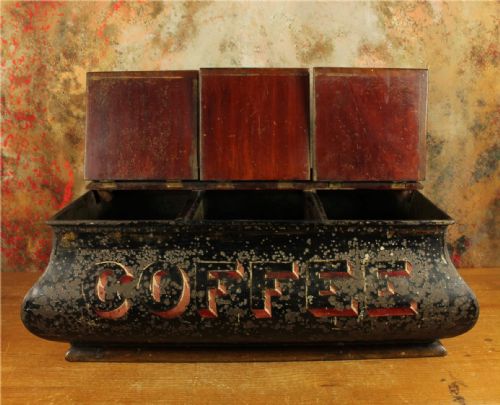
Shop canisters and tea tins originated in nineteenth-century grocery and coffee shops for storing dry goods before the advent of modern packaging. Merchants placed these compartmentalised boxes on counters to dispense product directly to customers.
Their robust construction in painted metal allowed them to withstand daily commercial use behind the shop counter.