



Victorian Metal Chairs
These Victorian metal chairs bring architectural character and enduring strength to outdoor spaces.
Victorian Metal Chairs
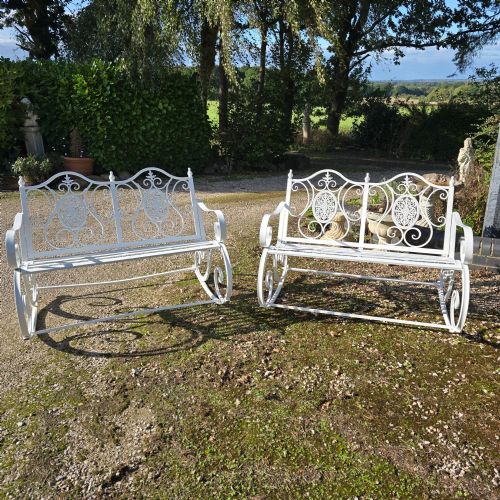
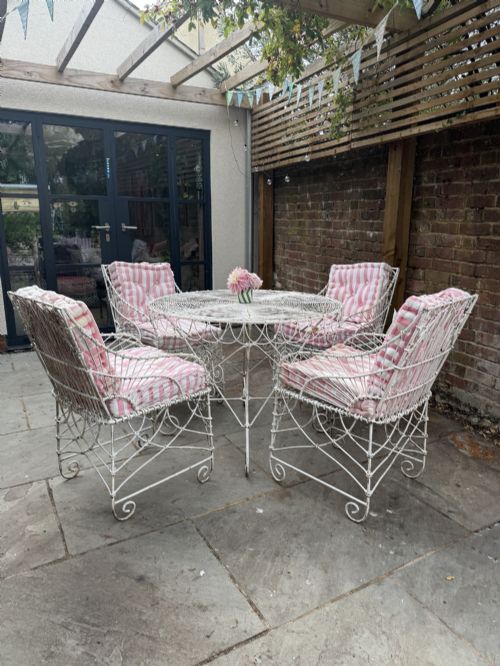
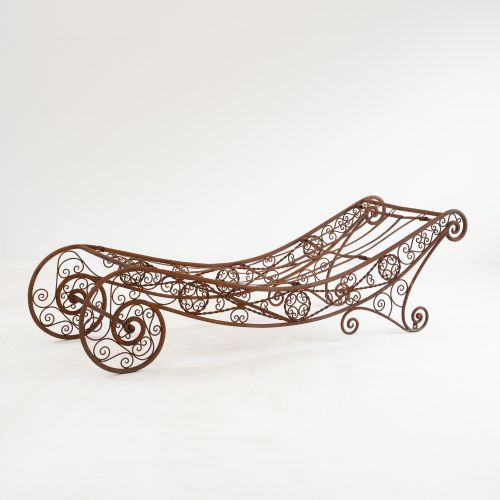
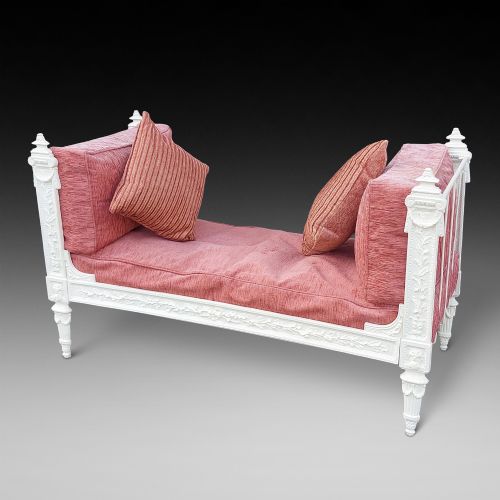
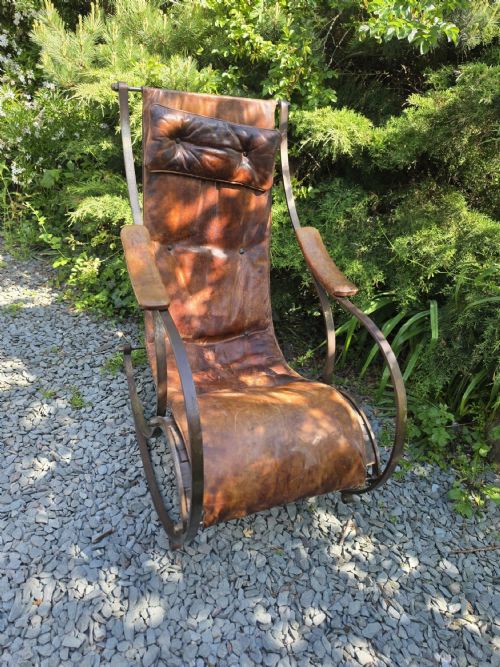
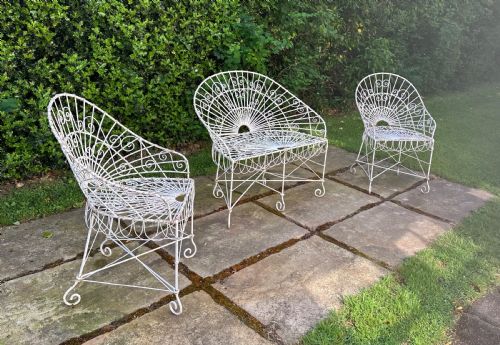
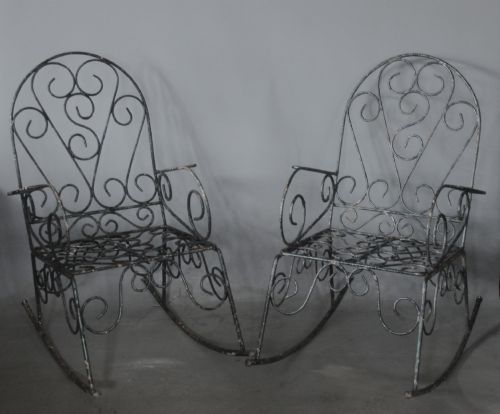
Victorian metal chairs encompass robust seating designed for nineteenth-century gardens, conservatories, and industrial interiors, including rocking chairs, garden chairs, and daybeds. These pieces range from ornate Gothic designs to practical wirework and heavy cast-iron forms, offering both decorative charm and utility.
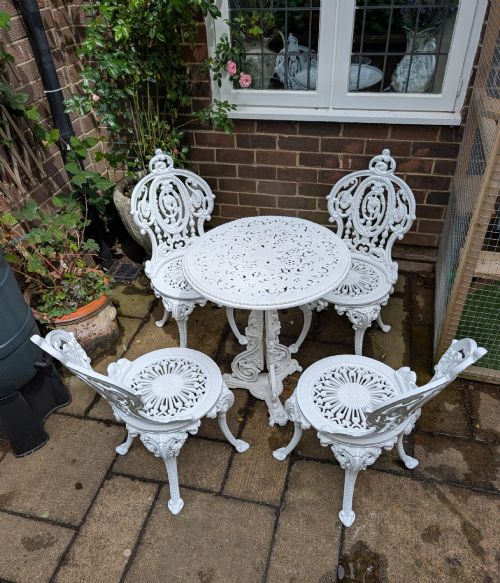
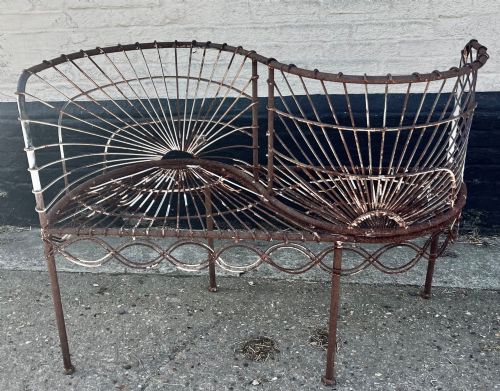
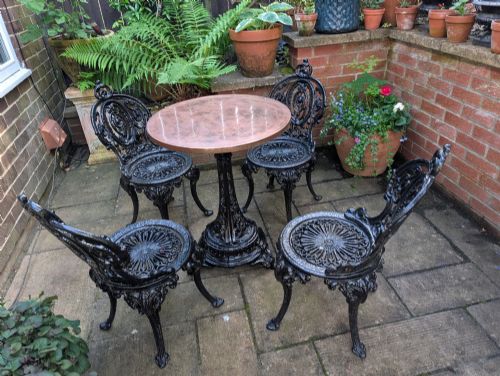
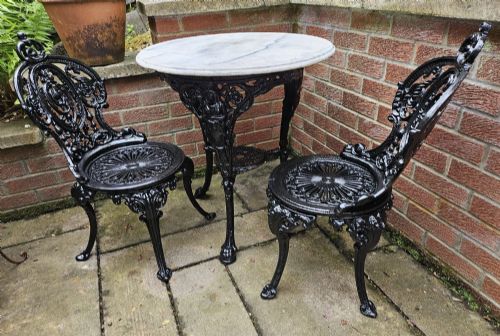
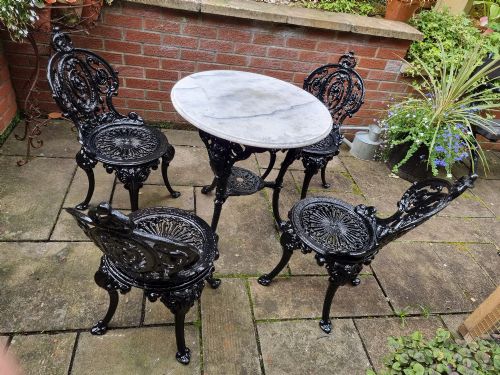
The versions most commonly met on this page include heavy cast-iron garden chairs and sets, often paired with matching tables or marble tops. Buyers also encounter wrought iron daybeds and occasional rocking chairs spanning the nineteenth century and subsequent revival periods.
How they were made
Foundry workers utilised cast iron and wrought iron, pouring or hammering the metal into intricate moulds and structural frames. These techniques allowed makers to produce durable outdoor furniture featuring detailed strapwork, open wirework, and Gothic motifs.
Surfaces were frequently finished with protective layers of paint, whilst some designs incorporated contrasting elements such as wooden seats, leather upholstery, or marble table tops.
Victorian Metal Chairs Retail Price Guide 2026
Typical asking prices for victorian metal chairs among the pieces listed under this phrase on Sellingantiques today, from the lower quarter to the upper quarter. They describe what is for sale here now, not the wider market.
Listings feature periods spanning from Regency through Victorian and Edwardian eras, alongside early twentieth-century examples.
What varies in quality
The refinement of the casting separates standard garden seating from finer examples, with crisper surface detail and more complex openwork indicating superior craftsmanship. Heavier gauge metal and balanced proportions also distinguish the better pieces in this range.
The presence of original structural elements, such as maker attributions, matched sets, or integrated revolving mechanisms, elevates the standing of individual items.
Christopher Dresser·R W Wingfield
The Victorian Metal Chairs Glossary
- Cast iron
- A sturdy alloy poured into moulds to create rigid forms with detailed relief decoration. It forms the heavy structural basis for many nineteenth-century garden seats and tables.
- Wrought iron
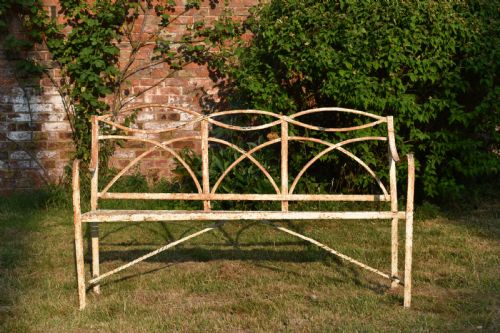
- Iron heated and beaten into shape by hand, resulting in a fibrous material suited to slender curves and structural bracing. It appears frequently in daybeds and lighter garden frames.
- Strapwork
- Flat bands of metal arranged in geometric or interlaced patterns across backs and seats. This technique provides both visual lightness and structural support.
- Wirework
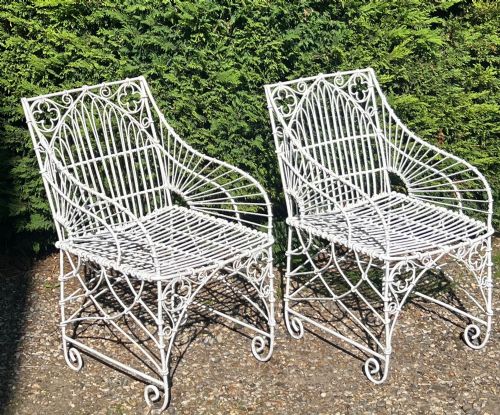
- Thin metal strands bent and woven into intricate mesh or scroll designs. It characterises lighter garden seating and decorative plant stands.
- Gothic Revival
- An architectural style that adapts medieval pointed arches and ecclesiastical motifs into furniture design. Pieces in this style often feature pointed backs and trefoil details.
Victorian Metal Chairs: Frequently Asked Questions
Are these chairs suitable for outdoor use?
Most of these metal chairs were originally built for gardens and conservatories, utilising durable cast iron and wrought iron designed to withstand the elements.
Regular maintenance and protective coatings help preserve the metal against weathering when kept outside.
How do I identify a true Victorian piece?
Examination of the casting quality, weight, and joining techniques helps determine the age of metal furniture. Nineteenth-century examples often display heavier ironwork and specific decorative motifs consistent with period manufacturing.
Comparing structural details against documented styles provides further clarity on dating.
Can I leave metal garden furniture outside in winter?
Cast and wrought iron withstand cold temperatures well, but winter moisture can accelerate surface oxidation on unprotected metal. Storing pieces under cover during harsh weather protects painted surfaces and joined areas.
What is the difference between cast and wrought iron?
Cast iron is poured into moulds, resulting in rigid, heavy components with detailed surface relief. Wrought iron is heated and hammered by hand, producing fibrous, flexible metal used for slender braces and scrolls.
Furniture often combines both materials depending on the structural requirements of the frame.