




Victorian Metal Bell
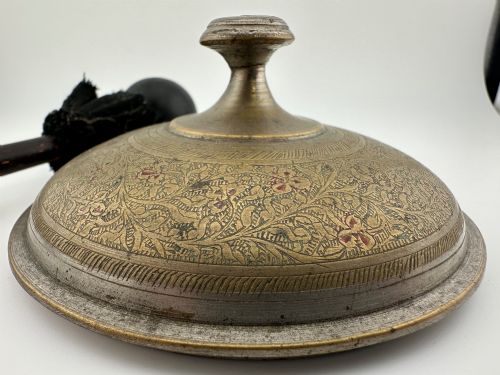
These Victorian metal bell selections encompass door hardware, table gongs and heavy bronze tower pieces designed to summon staff or mark the hour.
Victorian Metal Bell
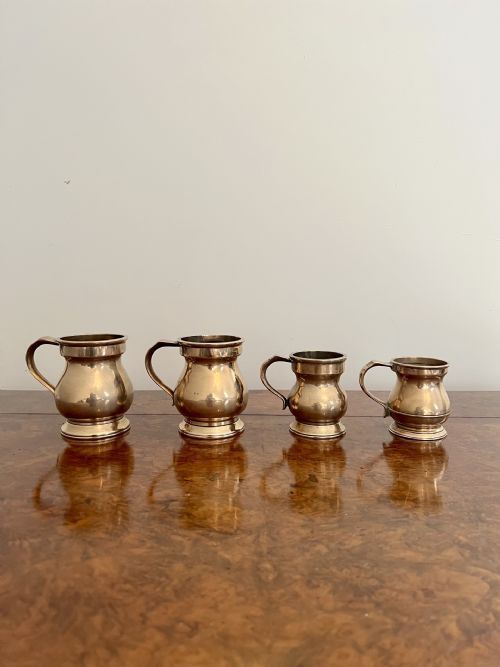
When buyers search for a victorian metal bell, they encounter practical utility pieces ranging from domestic door pulls and counter bells to large bronze tower gongs and hanging servants' call systems.
The objects stem from the nineteenth century, including specific dates across the eighteen-eighties and nineties, alongside Georgian survivals and later twentieth-century pieces produced in prevailing period styles.
Forms span hand-held town crier models, mechanical pig novelties, wall-mounted brackets and table gongs paired with wooden strikers, reflecting both grand country house interiors and commercial spaces.
Materials and construction methods
Metals dominate the construction, utilising cast bronze, brass, iron and steel shaped through casting, piercing and engraving techniques.
Many examples incorporate secondary materials such as ebonised wood, carved oak frames or mounted brackets to support the weight of the metal components.
Victorian Metal Bell Retail Price Guide 2026
Typical asking prices for victorian metal bell among the pieces listed under this phrase on Sellingantiques today, from the lower quarter to the upper quarter. They describe what is for sale here now, not the wider market.
Among the gongs and tower bells, a mechanical pig bell from eighteen-ninety offers a witty touch of Victorian whimsy.
Judging quality and craftsmanship
Quality rests upon the crispness of the casting detail, particularly on engraved brass surfaces, animal motifs or structural iron brackets.
Completeness dictates value, distinguishing pieces retaining their original hanging brackets, wooden strikers or wall plates from those altered or divorced from their mounting hardware.
Peerless Mathias Bauerle·Warners of London·Wm Gilbert
The Victorian Metal Bell Glossary
- Brass
- A copper and zinc alloy widely utilised for nineteenth-century door hardware, bells and gongs due to its bright finish and durability.
- Bronze
- A copper and tin alloy chosen for heavy tower bells and ship bells to produce a resonant tone when struck.
- Cast Iron
- A strong, rigid iron alloy poured into moulds to create robust dinner gongs, cloches and structural mounting brackets.
- Ebonised Wood
- Timber treated to imitate ebony, frequently paired with metal clock cases and gong mounts during the Victorian period.
- Gong
- A percussion instrument in the form of a suspended metal disc or bell struck with a mallet.
Victorian Metal Bell: Frequently Asked Questions
What were Victorian metal bells used for?
Domestic and institutional environments relied on these bells for signalling staff, announcing meals via dinner gongs, regulating shop counters and securing doors.
Larger variants served in towers, aboard ships or as town criers' instruments to broadcast alarms and mark time across communities.
How do I identify a Victorian bell?
Dating relies on material patination, casting methods typical of the nineteenth century, and stylistic indicators such as Art Nouveau or Gothic Revival flourishes.
Hardware often bears registration marks or period mounting brackets that anchor the object firmly in the Victorian era.
Where should I place a antique table gong?
Table gongs suit entrance halls, reception desks or dining rooms where their decorative stands and accompanying strikers remain accessible.
Positioning them away from direct moisture protects the brass or bronze surfaces and maintains the integrity of any wooden frames.
Are door bell pulls difficult to install?
Most surviving door pulls connect to mechanical linkages that require careful alignment with existing wall apertures and timber surrounds.
Consulting a specialist restorer ensures the brass lever action functions smoothly without placing undue stress on original metal components.