



Victorian Metal Animal
Victorian metal animal figures span heavy cast iron doorstops and delicate cold painted bronze frogs, offering functional charm for the period home.
Victorian Metal Animal
When you search for a victorian metal animal, you encounter a diverse range of objects designed for utility and display across the nineteenth century. These pieces include utilitarian items like cast iron doorstops and brass door porters alongside small decorative studies, pin cushions, and inkwells.
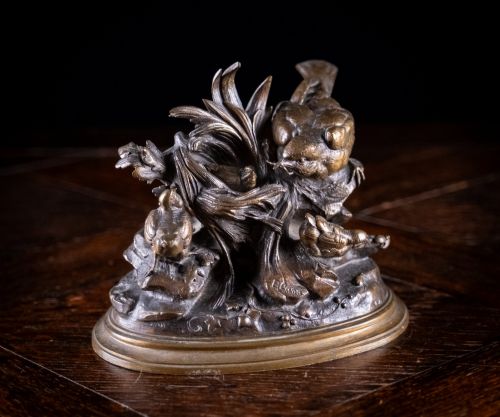
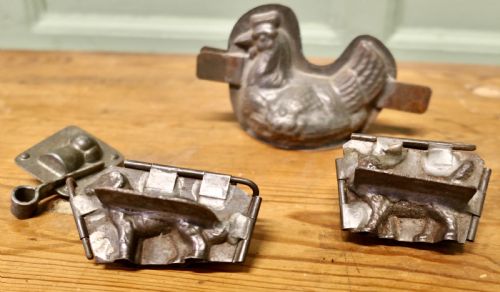
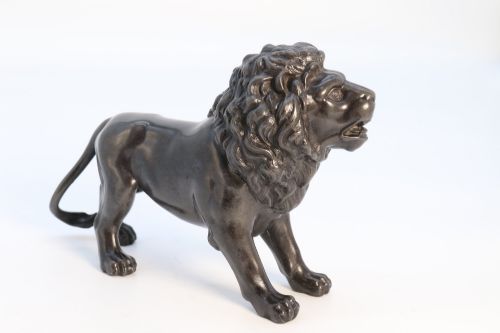
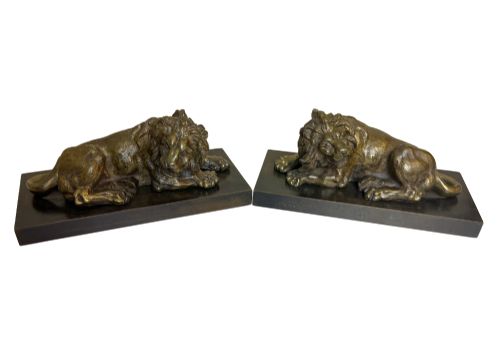
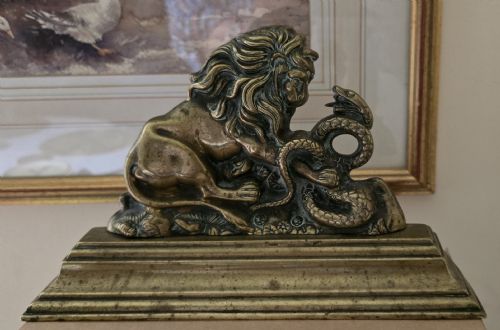
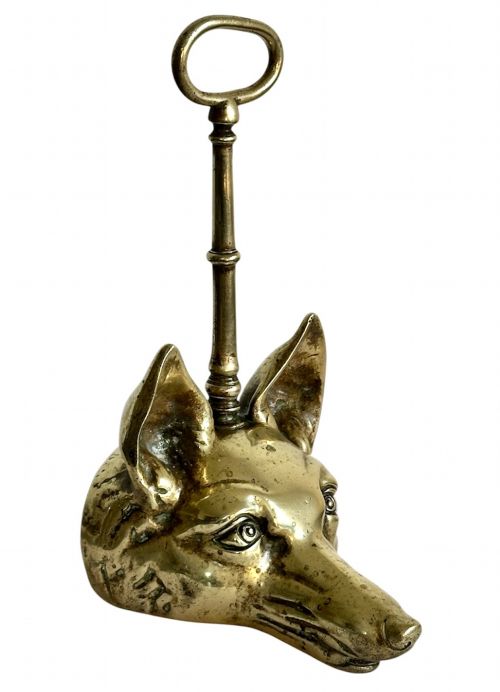
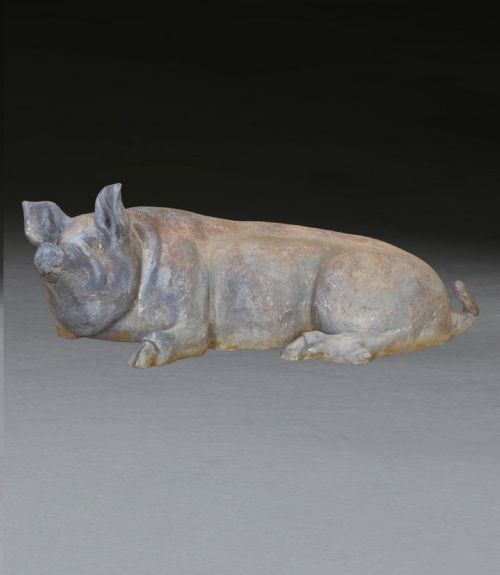
You are most likely to meet bronze figures, cast iron doorstops, and brass animal motifs on this page, originating from English and Austrian workshops. The selection spans domestic ornaments such as fireplace furnishings, chocolate moulds, and novelty pepperettes shaped as dogs, lions, and pigs.
The objects capture domestic and exotic fauna through varied artistic lenses, moving from English country house utility to continental cold painted bronze artistry. Each piece reflects the nineteenth-century fascination with realistic animal forms adapted for daily interior use.
Materials and construction
The makers utilised durable metals including bronze, cast iron, brass, pewter, and spelter to form the primary structures of these figures. Many items combine heavy metals with applied finishes, utilising paint, gilding, and cold painted techniques to render naturalistic surface colours.
Foundry methods involved sand casting for sturdy iron and brass doorstops, while finer Vienna bronze and pewter pieces relied on detailed lost-wax casting and hand-finishing. Artisans also employed hammering and repoussé techniques on brass trays and planters to create raised animal motifs.
Additional components enhance specific objects, such as glass inserts for inkwells, velvet for pin cushions, and mechanical linkages for novelty bells. These mixed media elements demonstrate the versatile craftsmanship applied to animal-themed domestic metalwork.
Victorian Metal Animal Retail Price Guide 2026
Typical asking prices for victorian metal animal among the pieces listed under this phrase on Sellingantiques today, from the lower quarter to the upper quarter. They describe what is for sale here now, not the wider market.
Assessing quality in metal animal figures
Quality reveals itself in the crispness of the casting and the precision of the hand-finishing, distinguishing mass-produced foundry items from superior artistic studies. Finer bronzes exhibit detailed fur texture and anatomical accuracy, whereas lesser pieces lose definition in secondary details.
The preservation of original surface treatments plays a major role in the desirability of painted or cold-painted metalwork. Intact patination and original polychrome pigments elevate a piece significantly compared to examples with extensive overpainting or surface wear.
The integration of purpose and sculptural form dictates the success of utilitarian objects like doorstops, inkwells, and pin cushions. Superior examples balance functional weight and stability with expressive animal character without compromising the integrity of the design.
Franze Bergman
The Victorian Metal Animal Glossary
- Cold painted bronze
- A method where bronze figures are painted with polychrome oil paints rather than fired enamels. This technique is particularly characteristic of Austrian workshops from the turn of the twentieth century.
- Door stop
- A heavy weighted object used to keep doors open. In Victorian metalwork, these frequently took the form of cast iron or brass lions, dogs, and horses.
- Repoussé
- A metalworking technique where the artisan hammers the metal from the reverse side to create a raised design on the front. It appears on Victorian brass trays and planters.
- Spelter
- An alloy of zinc and lead used as a cheaper alternative to bronze. It was commonly cast into ornamental figures and often painted to imitate more expensive metals.
- Inkwell
- A small desktop container for holding liquid ink. Victorian versions frequently incorporated detailed cast metal animal figures such as stags or bulldogs alongside glass inserts.
- Pin cushion
- A small pad used for holding sewing pins, often mounted on an ornamental metal base. Antique examples in this category feature novelty silver or bronze animal figures.
Victorian Metal Animal: Frequently Asked Questions
What is a victorian metal animal?
A victorian metal animal is a nineteenth-century decorative or utilitarian object cast in bronze, iron, brass, or pewter to represent wildlife or domestic pets.
These pieces range from heavy doorstops and door porters to delicate desk accessories, novelty pin cushions, and mantel ornaments.
How were these metal animals used?
Many of these objects served practical purposes in the nineteenth-century home, such as holding heavy doors open or supplying ink for correspondence.
Others functioned purely as decorative ornaments for the fireplace, tabletop, or desk, reflecting Victorian appreciation for animal subjects.
Are cast iron doorstops Victorian?
Cast iron doorstops were widely produced during the nineteenth century to manage heavy interior doors in large homes and public buildings.
They frequently took the form of recumbent lions, dogs, or horses with painted or patinated finishes designed to withstand daily use.