

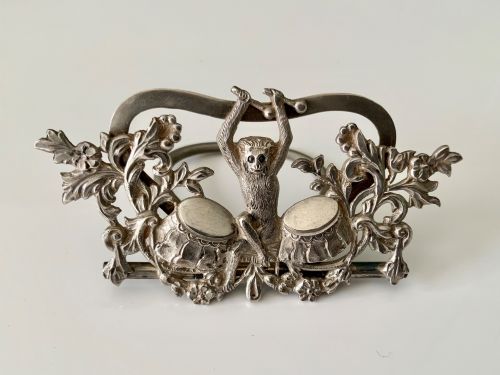


Victorian Menu Stand
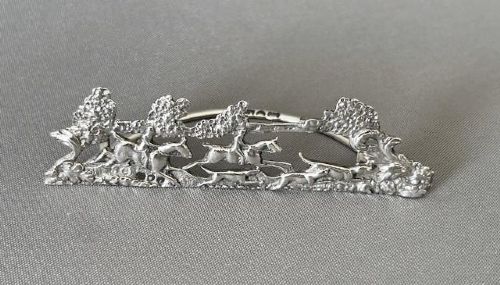
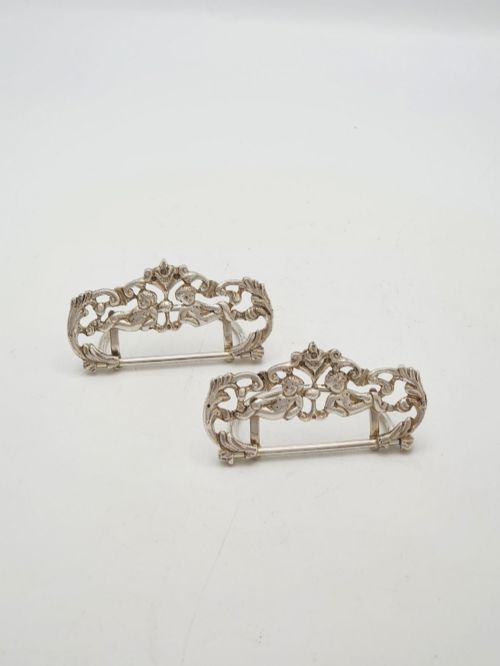
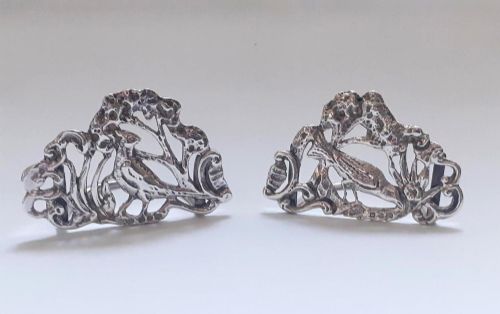
These victorian menu stand pieces are small silver, oak, and brass table markers designed to hold dining cards, bringing clever detail to the table.
Victorian Menu Stand
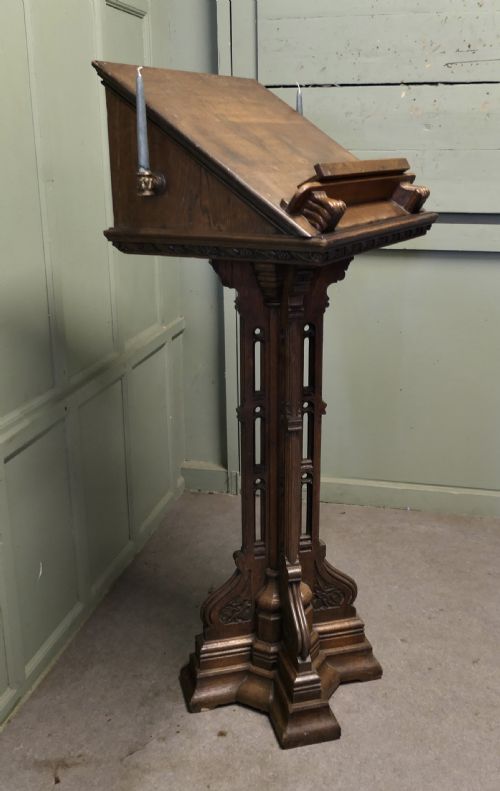
When you search for a victorian menu stand, you encounter small desk or table accessories created to hold cards for formal dining. The examples seen here range from simple wooden reading podiums and brass easels to silver novelty designs.
The version you are most likely to meet on this page is the silver table holder, often taking the form of animals, sentry boxes, or heraldic figures. These pieces date across the nineteenth and early twentieth centuries, spanning the Victorian and Edwardian periods.
Makers produced both single stands and matched pairs for larger dining tables. Some incorporate card holders into photo frames or miniature lecterns, reflecting varied social uses in grand dining rooms.
Materials and construction
Silversmiths shaped sterling silver through casting and hand chasing to achieve high detail in novelty figures such as monkeys, owls, and characters from Alice in Wonderland. Others relied on simple sheet silver formed into easel backs and weighted bases.
Wooden items utilise carved oak and pitch pine, often fashioned into miniature reading podiums or lecterns with hinged supports. Brass and iron also appear in utilitarian or architectural designs like folding easels and heavy table stands.
Victorian Menu Stand Retail Price Guide 2026
Typical asking prices for victorian menu stand among the pieces listed under this phrase on Sellingantiques today, from the lower quarter to the upper quarter. They describe what is for sale here now, not the wider market.
Dining guests could consult menus held by silver monkeys playing drums.
Distinctions in quality
Quality rests upon the crispness of the casting and the depth of the hand chasing, particularly in silver novelty pieces where facial expressions and costume details must remain sharp. Finer examples show careful articulation and distinct hallmarks from notable workshops.
Construction strength separates sturdy table stands from weaker pieces, especially at the hinges and easel supports that bear the weight of cards. In wooden items, the precision of the carving defines the standard.
Sampson Mordan
The Victorian Menu Stand Glossary
- Sterling silver
- A silver alloy containing ninety-two point five percent pure silver by mass. This material provides the necessary durability for detailed casting in small table accessories.
- Novelty
- An object shaped into an amusing or unusual form rather than a purely functional outline. These pieces often depict animals, literary characters, or architectural models.
- Lectern
- A small reading desk with a slanted top designed to hold a book or card at a readable angle. Miniature versions serve as menu holders.
- Easel
- A self-supporting framework used to hold an item upright on a flat surface. Many menu stands employ a folding easel back.
- Chasing
- A metalsmithing technique where metal is worked from the front with hammers and punches to sink the material and create raised decorative patterns.
Victorian Menu Stand: Frequently Asked Questions
What were menu stands used for?
These pieces sat on dining tables to display the courses of a meal to guests. They held printed or handwritten cards so diners knew what dishes to expect.
Larger dinner parties utilised pairs or sets of these stands placed along the length of the table for convenience.
How do I tell Victorian from Edwardian stands?
Victorian pieces tend to feature heavier proportions and styles influenced by Gothic Revival or straightforward utility in oak and silver. Hallmarks provide the exact year of assay.
Edwardian items frequently embrace lighter novelty designs, whimsy, and Art Nouveau curves, reflecting the changing tastes of the early twentieth century.
Are silver stands marked?
Most British silver pieces carry a full set of hallmarked stamps indicating the maker, the assay office, and the year of production. These marks appear on the base or the reverse of the holder.
Foreign or continental examples may display alternative stamps or purity numbers rather than standard British leopard heads and lion passants.
How do I care for silver menu stands?
Keep silver items away from direct moisture and rubber materials that accelerate tarnishing. Regular dusting with a soft cloth preserves the metal surface.
Avoid aggressive chemical dips on pieces with detailed chasing or velvet backing, as harsh liquids damage delicate components and linings.