



Victorian Mens Jewellery
Victorian mens jewellery brings together silver and gold chains, rings, cufflinks and pins shaped by nineteenth-century hands for daily wear.
Victorian Mens Jewellery
When buyers search for victorian mens jewellery, they find personal ornaments created across the nineteenth and early twentieth centuries. The selection centres heavily on practical accessories, predominantly watch chains, rings, cufflinks and stick pins.
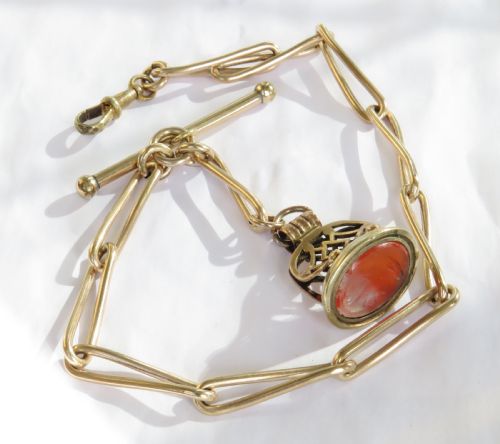
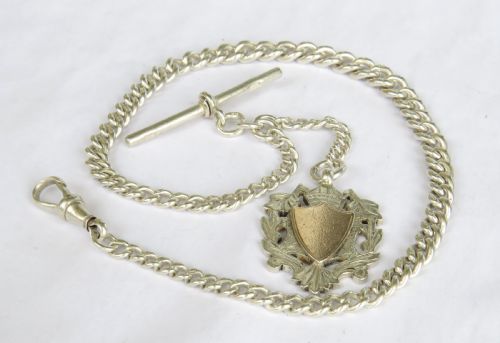
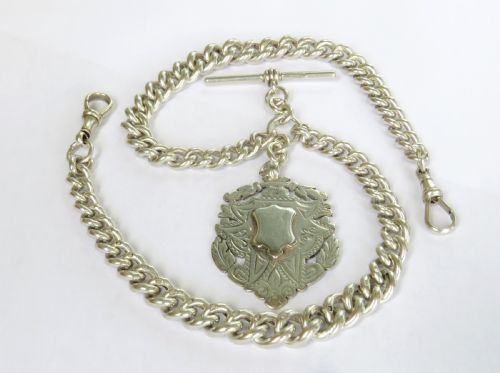
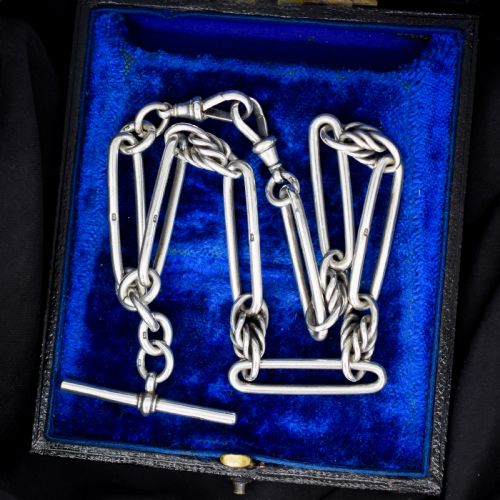
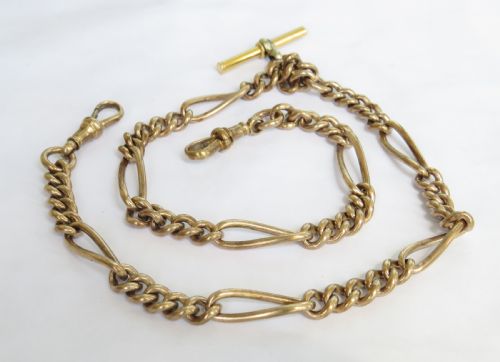
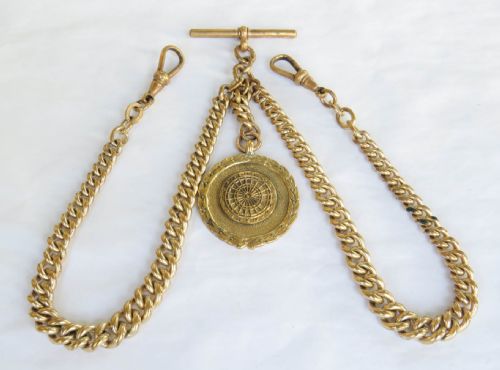
Albert chains in sterling silver and various carats of gold form a large portion of the available pieces. These often retain functional elements such as T-bars, dog clips, swivels and fobs.
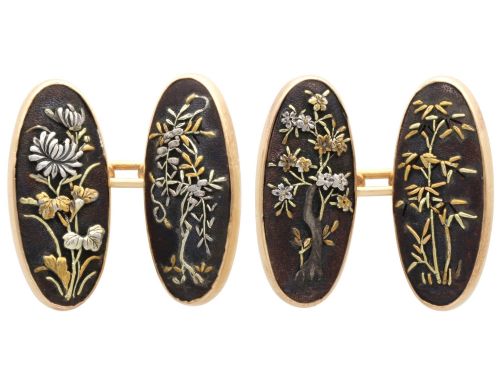
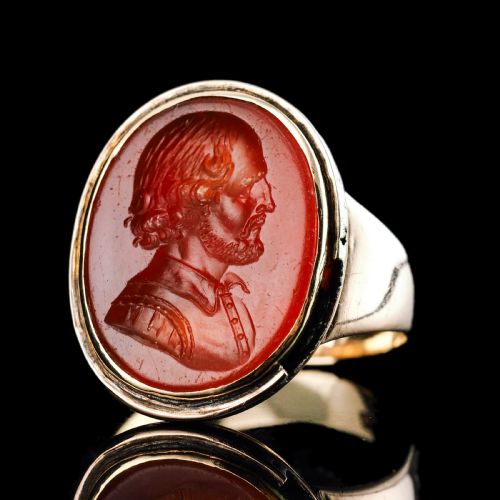
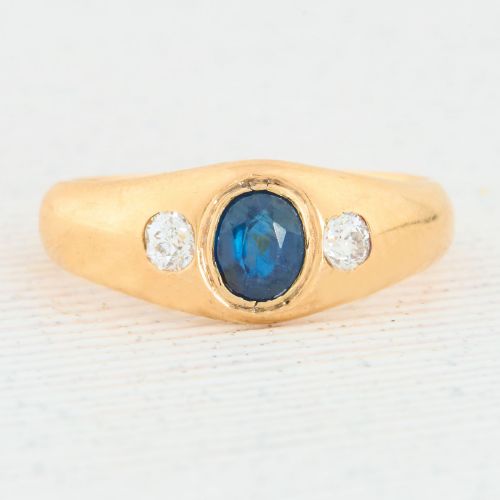
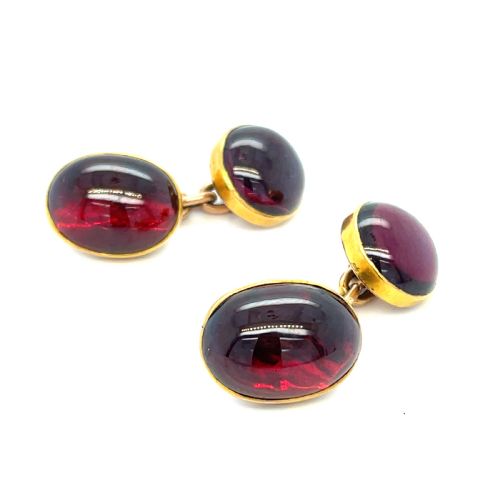
Rings in this category span gypsy settings with diamonds, signet styles and intaglio rings featuring carved stones. Cufflinks and stick pins complete the assortment, utilising precious metals alongside gemstones like garnet and carnelian.
Materials and Construction
Metals form the foundation of these pieces, moving from sterling silver through 9ct, 15ct and 18ct gold to rolled gold alternatives. Solid gold and silver links are hand-assembled, curb-linked, trombone-formed or hollow-stamped to balance weight and durability.
Gemstones are flush-set into gypsy mountings or bezel-set to protect the stones during regular use. Hand engraving, blue enamel and intaglio carving add surface detail to cufflinks, rings and fob pendants.
Gentlemen once secured their timepieces with sturdy silver trombone links, ensuring a pocket watch stayed firmly tethered during a brisk Victorian stroll.
Quality Factors
The distinction between ordinary and superior pieces rests on the weight of the metal and the crispness of the hand-carved or engraved details. Substantial gram weights in watch chains and rings indicate robust survival through heavy historical use.
Maker marks, clear hallmarks and secure original components like dog clips or swivel fobs elevate a piece. Stone selection also dictates worth, from clean old-cut diamonds to deeply saturated garnets and well-executed intaglio carvings.
The Victorian Mens Jewellery Glossary
- T-bar
- A short transverse bar attached to the centre of a watch chain, used to secure the chain through a buttonhole. It remains a key component on surviving watch chains.
- Gypsy ring
- A ring style where the gemstone is flush-set into a heavy, tapering band. This setting style became popular during the nineteenth century for men's rings.
- Intaglio
- A gem or stone carved with a sunken design so that an impression can be made in wax. These were frequently mounted in rings and fobs.
- Dog clip
- A spring-loaded snap hook fitted to the ends of watch chains for attaching pocket watches or fobs. They provide secure fastening.
- Stick pin
- A decorative pin with a long shaft and an ornamental head, worn in a cravat, tie or lapel. They often feature diamonds or coloured gemstones.
Victorian Mens Jewellery: Frequently Asked Questions
How do I wear an antique watch chain?
An antique watch chain is secured by passing the T-bar through a waistcoat buttonhole. The chain drapes across the front, with the pocket watch or fob tucked into the pocket.
Many modern buyers also wear these chains as necklaces or bracelets by fastening the dog clip directly to the other end of the chain.
Are these pieces hallmarked?
Many nineteenth-century items carry British hallmarks indicating the assay office, metal purity and year of creation. Stamped marks like 9ct, 15ct, 18ct or sterling silver appear on links, shanks and fittings.
Rolled gold items and older pieces may feature maker marks or partial stamps rather than full assay office hallmarks.
What is rolled gold?
Rolled gold is a material made by fusing a sheet of gold to a base metal core, such as brass or copper, under heat and pressure. This technique created durable items with the appearance of solid gold at a lower cost.
It appears frequently in twentieth-century watch chains and accessories.