





Victorian Medical Glass
Victorian medical glass brings utilitarian clarity to the nineteenth-century interior through apothecary jars, medicine measures, and pharmacy bottles.
Victorian Medical Glass
Victorian medical glass encompasses apothecary jars, chemist bottles, and pharmacy glassware originating from nineteenth-century dispensaries and surgeries. Buyers seek these pieces for their clean utility and the rich history of nineteenth-century medicine they represent.
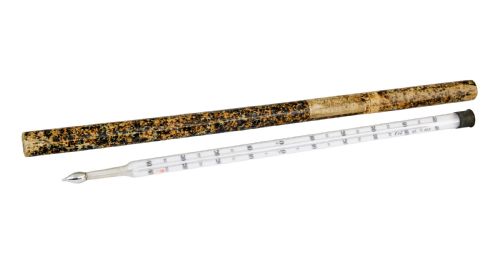
The objects on this page span the nineteenth century, including French and British examples, alongside associated pieces such as mahogany apothecary boxes, test glass kits, and medical instruments. Apothecary jars and pharmacy bottles form the core of what is available.
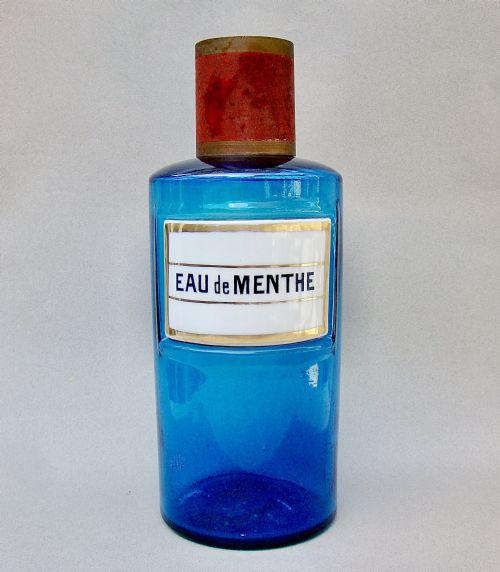
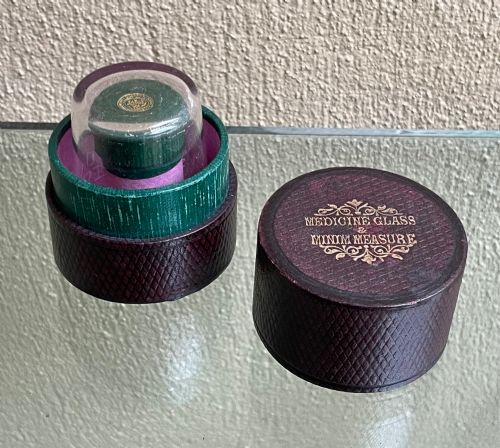
Surviving examples range from large turquoise and green glass display jars with covers to small medicine glasses and pocket measures housed in original leather cases. These items reflect the daily practice of the nineteenth-century chemist and apothecary.
How they were made
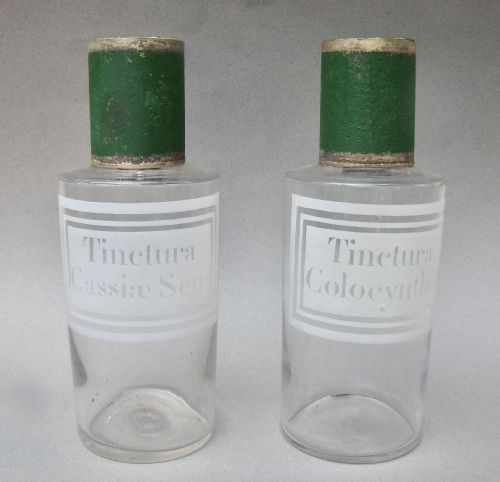
Makers shaped glass by hand, often blowing and moulding vessels into robust forms designed to withstand daily use in dispensaries. Etched finishes and painted labels appeared on pharmacy bottles to identify contents clearly.
Fitted wooden cases for medicine glasses and test lenses involved fine cabinet-making in mahogany, often incorporating brass hardware and internal partitions. Cork stoppers and paper labels completed the functional packaging of the period.
Victorian Medical Glass Retail Price Guide 2026
Typical asking prices for victorian medical glass among the pieces listed under this phrase on Sellingantiques today, from the lower quarter to the upper quarter. They describe what is for sale here now, not the wider market.
Listings feature items from the 1800s, 1850, 1870, 1880, 1890, and 1900, employing glass, brass, mahogany, and paper.
What varies in quality
Quality rests upon the preservation of original components, such as matching glass covers, intact paper labels, and undamaged corks. Pieces retaining complete sets, like groups of pharmacy bottles or full lens kits in fitted boxes, command greater interest.
The depth of colour in turquoise and green glass vessels, alongside crispness in etched decoration, distinguishes superior examples. Original fitted leather cases and mahogany chests that survive in sound condition elevate the integrity of the medical instrument or glass.
The Victorian Medical Glass Glossary
- Apothecary jar
- A vessel used in a dispensary to store dry or liquid medicines. These often feature hand-blown bodies and fitted covers.
- Pharmacy bottle
- A smaller container utilised by chemists for dispensing liquid remedies. They frequently display characteristic green or clear glass and original labels.
- Medicine glass
- A small graduated measure used by patients to consume precise doses of liquid medicine. They occasionally survive inside protective leather cases.
- Carboy
- A large glass vessel placed in pharmacy windows to signal the profession of the chemist. These substantial jars dominate display shelves.
- Test glass kit
- An assortment of optical lenses used by opticians for sight testing. These sets are typically housed in partitioned wooden cabinets.
Victorian Medical Glass: Frequently Asked Questions
What is an apothecary jar?
An apothecary jar is a large glass vessel utilised in nineteenth-century pharmacies to store medicines, herbs, and chemicals safely on shelves.
These pieces typically include fitted glass covers and often feature etched or painted labels indicating the contents.
How were medicine glasses used?
Medicine glasses served as precise measuring instruments for patients taking liquid remedies at home during the Victorian period.
Many of these small glasses were supplied with protective leather cases for safe transport or storage in a domestic setting.
How do I identify Victorian glass?
Victorian medical glass is identified by hand-blown manufacturing traits, heavy walled construction, and characteristic nineteenth-century forms and colours.
French and British examples from this era often display deep green or turquoise hues alongside period etching techniques.