



Victorian Maritime Instruments
Victorian maritime instruments are brass and mahogany tools of navigation and meteorology that bring the precision of the nineteenth-century deck into your study.
Victorian Maritime Instruments
Victorian maritime instruments comprise a wide variety of scientific apparatus used at sea and ashore during the nineteenth century, including pocket barometers, ships binnacles, and portable telescopes. When you search for victorian maritime instruments, you encounter navigational tools designed for officers, explorers, and vessels navigating global trade routes.
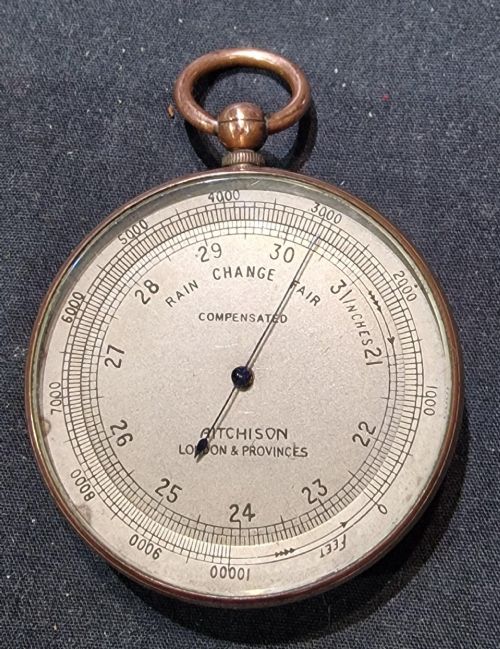
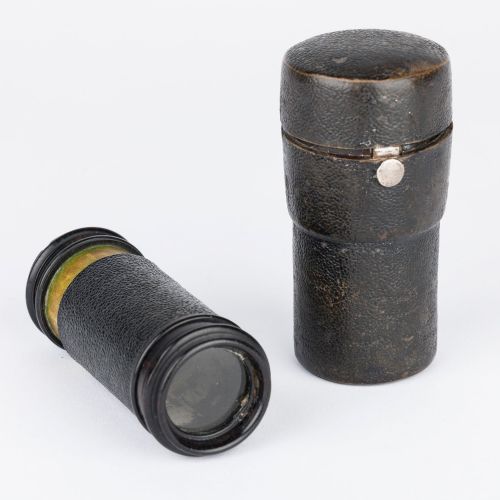
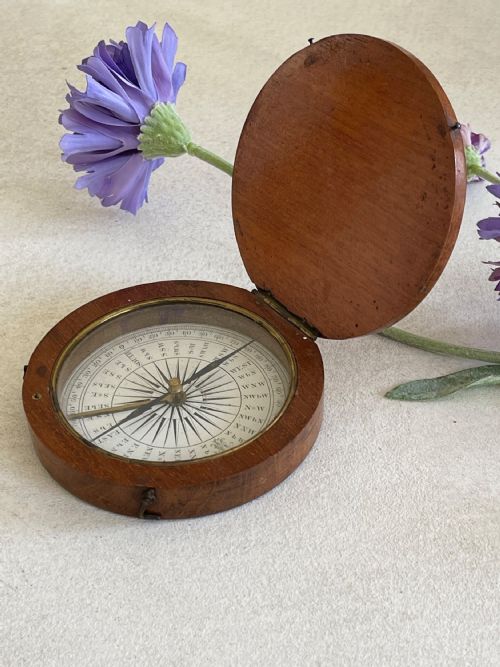
The objects seen most frequently on this page are brass telescopes, aneroid barometers, and pocket compasses spanning the nineteenth century. These items reflect the technical demands of the British marine service, combining utility with robust construction.
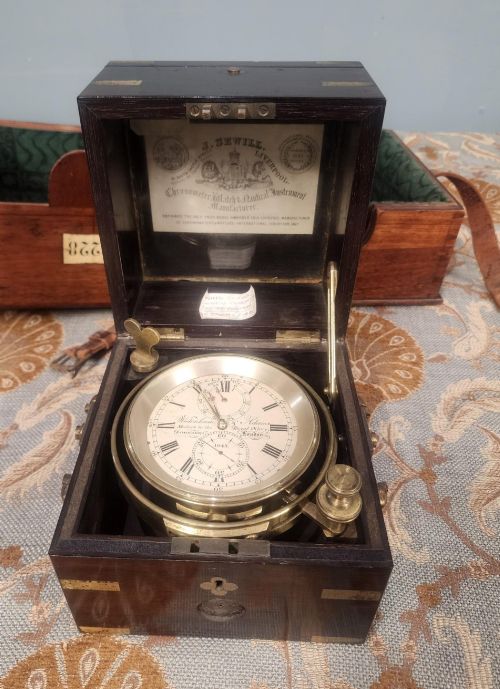
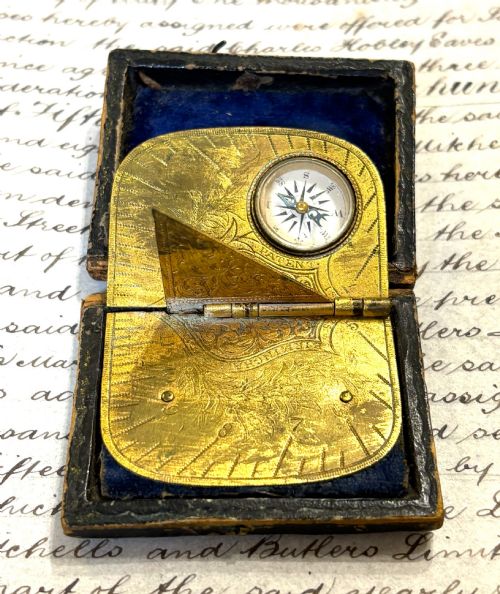
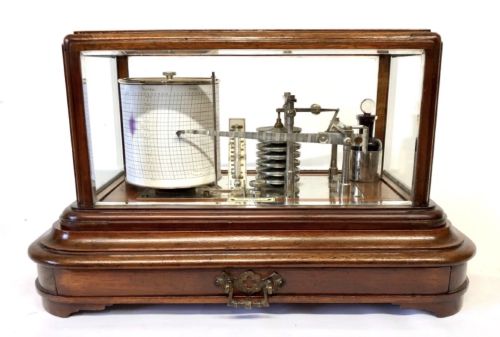
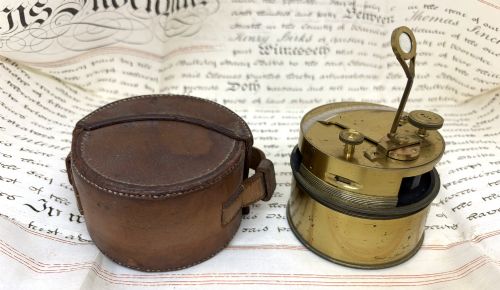
Forms range from compact pocket compasses and folding sundials to substantial rosewood marine stick barometers and mahogany cased barographs. Makers provided both portable instruments for personal use and deck-mounted apparatus for shipboard navigation.
How they were made
Makers utilised heavy brass for structural components, dials, and telescope draws to withstand harsh marine environments and resist corrosion. Optics were housed within turned wooden tubes of mahogany, rosewood, or oak, often finished with stitched leather grips.
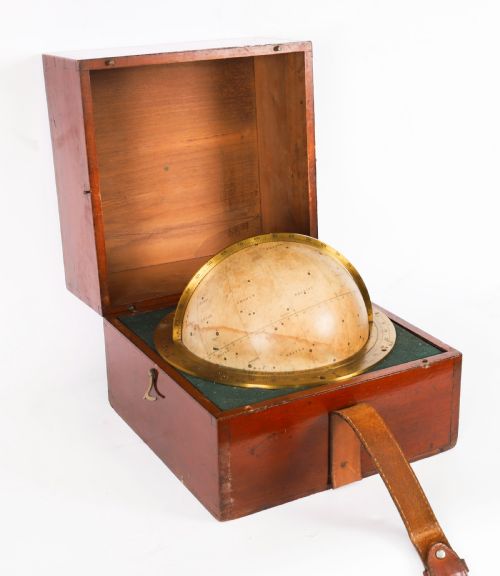
Cases and mounts were constructed from dense hardwoods, frequently fitted with brass hinges, locks, and inset carrying handles for transport at sea. Precision paper scales were integrated into barometers and compasses, protected beneath bevelled glass plates.
Victorian Maritime Instruments Retail Price Guide 2026
Typical asking prices for victorian maritime instruments among the pieces listed under this phrase on Sellingantiques today, from the lower quarter to the upper quarter. They describe what is for sale here now, not the wider market.
Listings feature scientific instruments spanning the nineteenth century, utilising brass, mahogany, glass, and leather across barometers, telescopes, and compasses.
What varies in quality
Quality rests in the legibility and sharpness of the maker's signature engraved upon the brass barrel or paper dial, alongside the clarity of the optical lenses. Signed instruments by notable makers demonstrate superior precision compared to unsigned trade output.
The integrity of the cabinetry, such as dovetailed mahogany cases and original lacquering on the brass, dictates the preservation level. Mechanical smoothness in extending telescope draws and responsive barometer needles separate standard utility items from top-tier scientific pieces.
Negretti & Zambra·Baker London·Elliott Brothers·Hughes & Son London·Newton & Co·Stanley London·L Casella London·M Pillischer·John Lilley & Son London
The Victorian Maritime Instruments Glossary
- Barometer
- An instrument measuring atmospheric pressure to forecast weather changes. Aneroid versions use a sealed metal capsule, while marine stick models utilise mercury columns.
- Binnacle
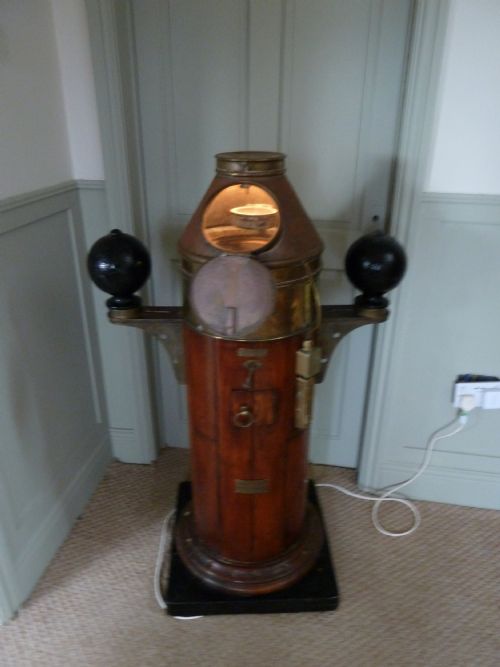
- A sturdy housing deployed on a ship's deck to hold a ship's compass steady. These stands protect the instrument from sea spray and iron interference.
- Theodolite
- A precision optical instrument mounted on a tripod for measuring horizontal and vertical angles in surveying and navigation. They feature finely graduated brass circles.
- Octant
- A reflective navigational instrument used to measure the angle between an astronomical object and the horizon. They precede the modern sextant and employ mirrored glass.
- Treen
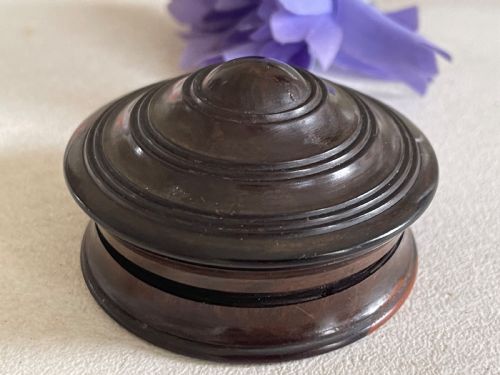
- Small handmade wooden objects produced by turning or carving. In maritime contexts, this describes pocket compass cases and sundial boxes.
Victorian Maritime Instruments: Frequently Asked Questions
How do I read a Victorian barometer?
Aneroid barometers use a needle pointing to weather descriptions and barometric pressure numbers etched onto a paper or metal dial. Tapping the glass gently helps settle the mechanical linkage to show the true reading.
Marine stick barometers require reading the height of the mercury column against a scaled brass vernier. Changes in the column height indicate rising or falling atmospheric pressure.
Can I use these telescopes outside?
While these brass and mahogany telescopes retain their optical focus and extending draws, vintage lenses lack modern coatings. They function outdoors for spotting distant objects, though collectors generally handle them with care.
Exposing nineteenth-century leather and lacquered brass to damp weather or direct sunlight risks damaging the original finishes and internal tube alignments.
How were pocket compasses used at sea?
Pocket compasses and portable sundials served as backup navigational aids for officers checking local time and magnetic north independently of the main deck binnacle. Many included locking mechanisms to lift the magnetic needle off its pivot when closed.
Travellers and explorers utilised cased pocket compasses on land to maintain direction across uncharted terrain during the Victorian period.
What is the difference between a telescope and a spyglass?
Spyglasses are typically smaller, single-draw or two-draw portable telescopes designed for quick scoping of horizons by watch officers. They prioritize compact portability over high magnification.
Larger tabletop or multi-draw terrestrial telescopes provide greater magnification and longer focal lengths for detailed observation of ships and landmarks.