


Victorian Marble Furniture
Victorian marble furniture brings solid stone surfaces together with rich timbers and cast iron to create pieces that still anchor a room today.
Victorian Marble Furniture
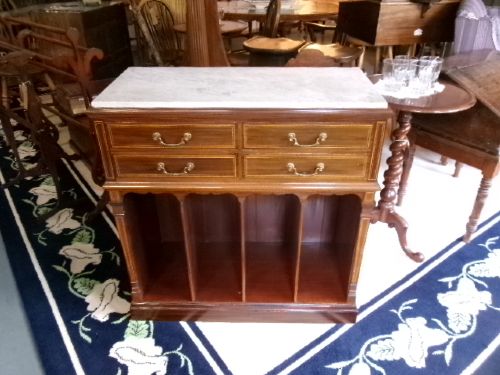
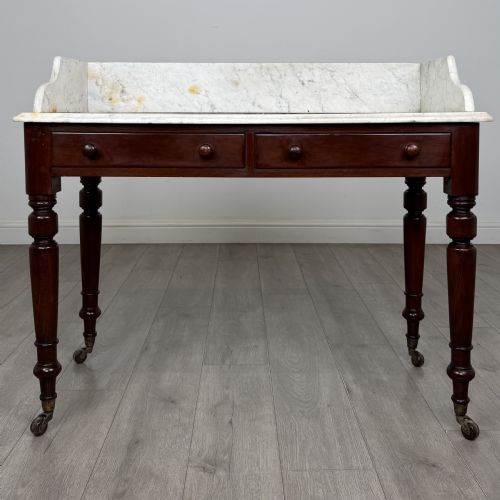
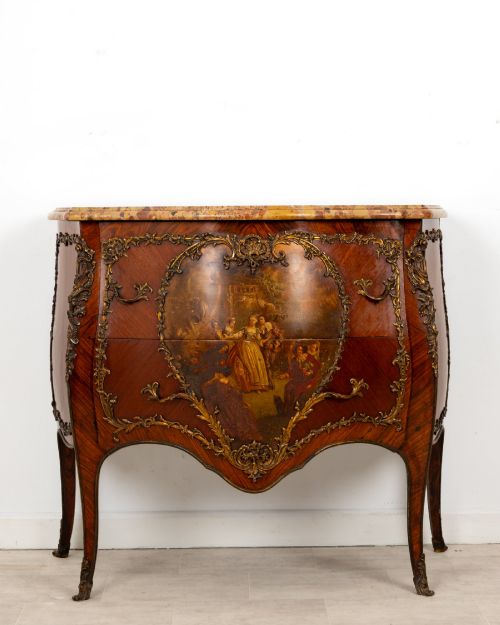
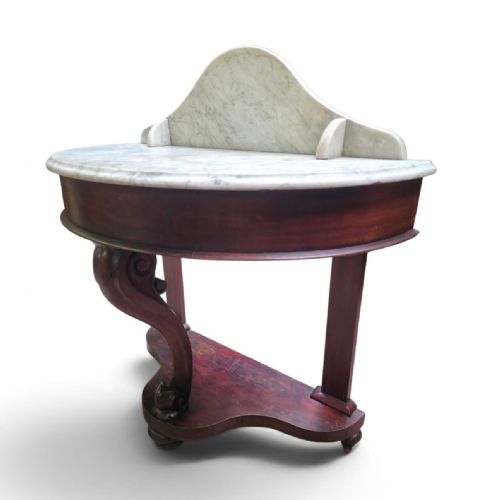
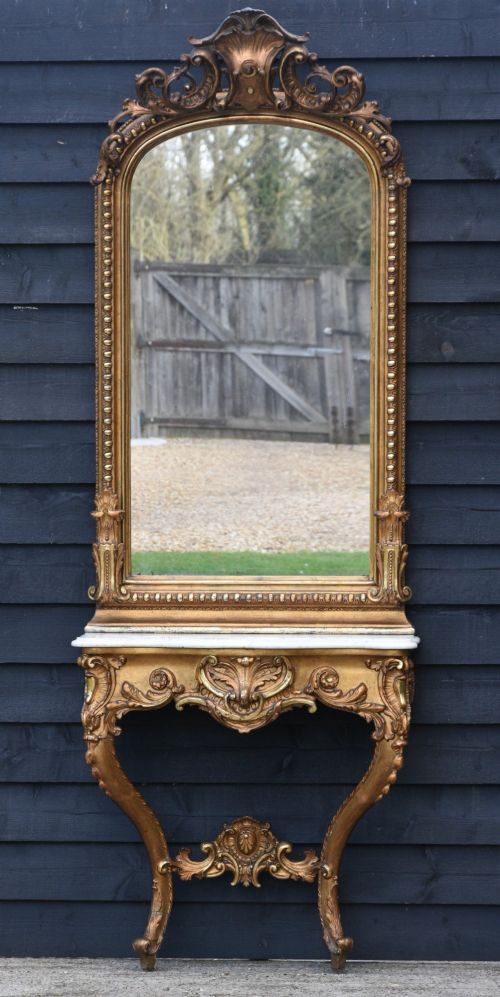
These items bring together heavy stone slabs and functional timber frames designed for daily household use. You encounter washstands, console tables, and plant stands most frequently on this page, originating from the nineteenth and early twentieth centuries.
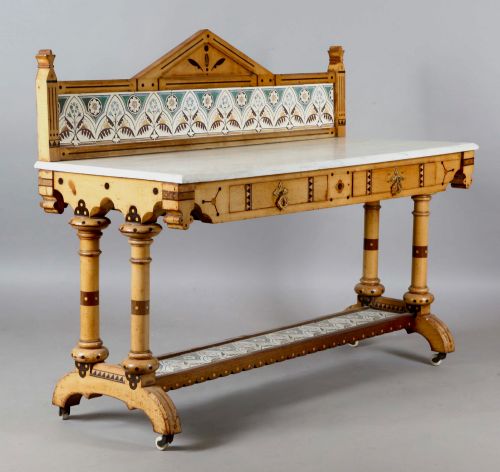
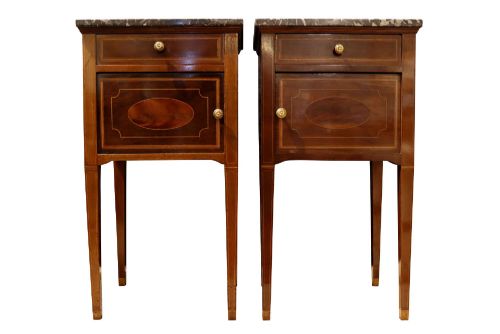
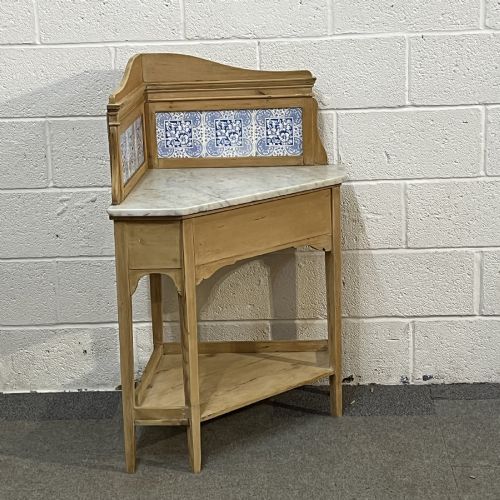
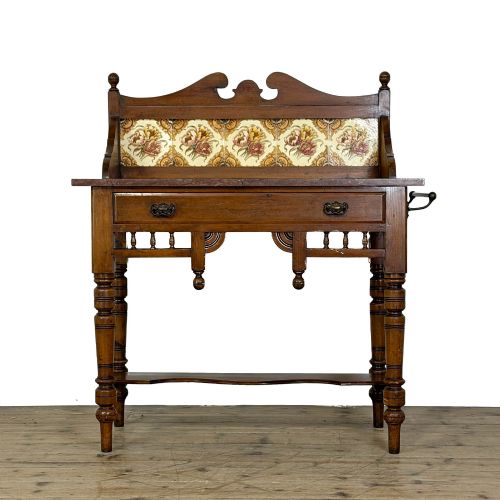
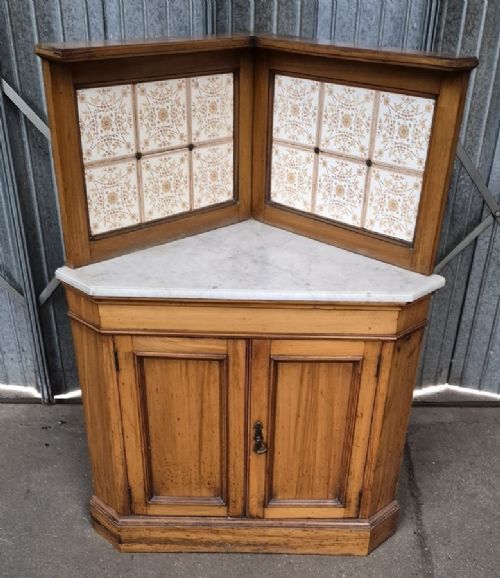
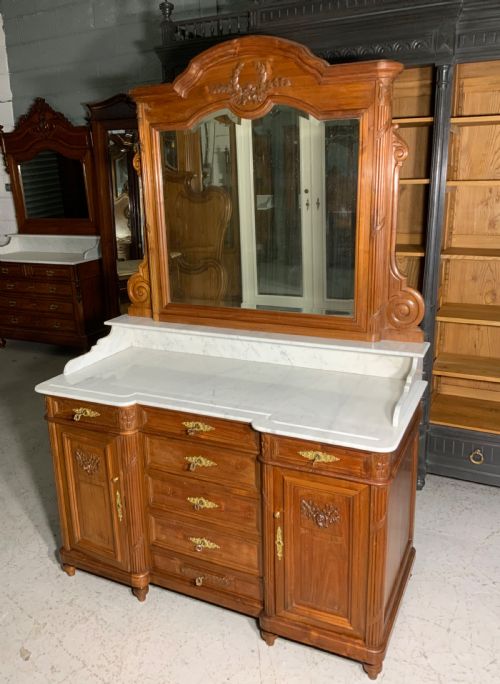
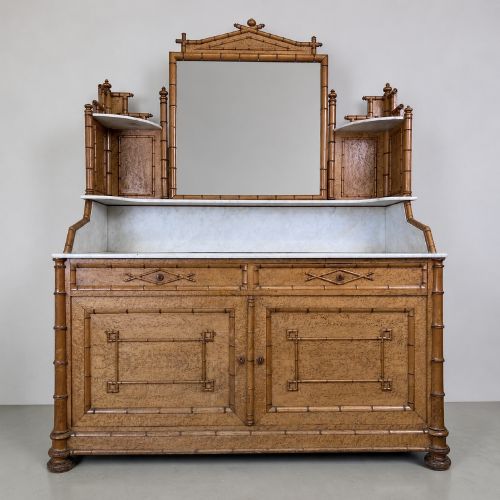
Makers utilised durable stones like marble alongside timbers such as mahogany, oak, and walnut to build pieces for bedrooms, halls, and parlours. Washstands with inset stone tops form the core of what you see here, often paired with matching tiles or mirrors.
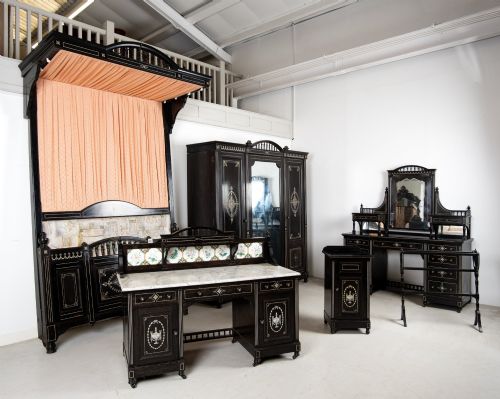
The aesthetic ranges from plain pine and oak utility pieces to elaborate French Rococo Revival or Aesthetic Movement designs with inlaid woods. Most examples serve practical storage or display functions while retaining their original heavy stone surfaces.
Materials and construction
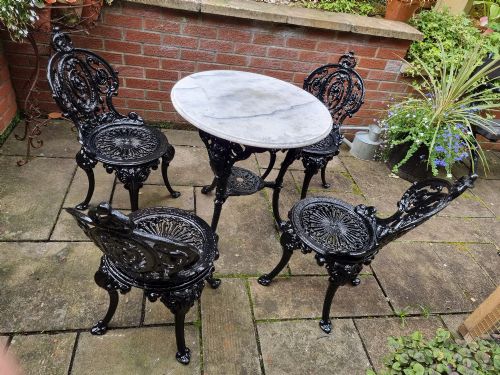
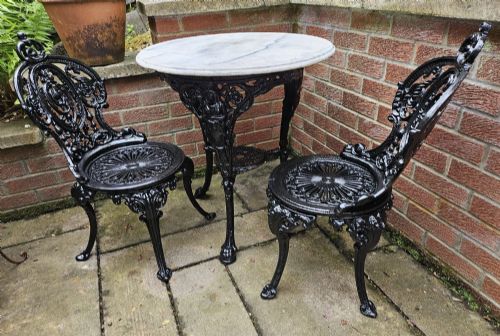
Carpenters constructed the structural frames using solid timbers like mahogany, walnut, and pine, frequently adding veneers or satinwood inlay for decorative effect. Cast iron appears in garden sets and console bases, offering rigid support for heavy stone tops.
The stone slabs rest directly on timber or metal carcases, relying on their own weight to stay in place without modern adhesives. Secondary materials such as brass fittings, ceramic tiles, and mirror glass complete the assembly of washstands and cabinets.
Victorian Marble Furniture Retail Price Guide 2026
Typical asking prices for victorian marble furniture among the pieces listed under this phrase on Sellingantiques today, from the lower quarter to the upper quarter. They describe what is for sale here now, not the wider market.
Listings feature woods such as mahogany, walnut, oak, and satinwood paired with natural marble and cast iron.
Gradations in execution
The distinction between ordinary and superior pieces rests on the precision of the timber joinery and the complexity of the wood or metal work. Finely figured burr walnut, intricate satinwood inlay, and detailed carving mark out the more ambitious workshop productions.
Stone selection also separates standard utility pieces from grander salon items, with thicker, more uniformly marked slabs indicating higher ambition. The integration of auxiliary elements like original decorative tiles or gilt-bronze mounts shifts an object from utilitarian to decorative.
Charles Bevan·Walker and Sons·Maples·Blake
The Victorian Marble Furniture Glossary
- Washstand
- A wooden cabinet or table fitted with a stone top to hold washing basins and water jugs. These utilitarian pieces often include splashbacks with ceramic tiles.
- Console table
- A table designed to stand against a wall, frequently supported by decorative brackets or legs. They carry heavy stone tops for display purposes.
- Aesthetic Movement
- A late nineteenth-century design style emphasising simplicity, Japanese influence, and artistic craftsmanship. Pieces in this manner often utilise ebonised finishes.
- Faux bamboo
- A decorative treatment where wood is carved and painted to resemble natural bamboo stalks. This technique appears on nineteenth-century bedroom furniture.
- Boulle
- An elaborate marquetry technique using brass and tortoiseshell inlaid into dark wood grounds. It derives from seventeenth-century French practice and reappears on nineteenth-century cabinets.
Victorian Marble Furniture: Frequently Asked Questions
Are marble tops fixed to the wooden base?
Most antique stone slabs rest unattached on top of the timber carcase, held in place purely by their own considerable weight. This allows the stone to be lifted off for moving the piece.
Take care when relocating these items and lift the stone separately from the base. Secure any loose slabs with discreet silicone dots if instability is a concern.
Where were these pieces used in the home?
Washstands and dressing cabinets stood in bedrooms to provide a waterproof surface for washing before indoor plumbing was common. Hall stands occupied entranceways to hold coats and hats while incorporating stone shelves for small items.
Console tables and side tables sat in parlours and reception rooms for decorative display. Garden sets placed cast iron and stone outdoors for patio seating.
How do I date a Victorian washstand?
Examine the construction methods inside the drawers and the timber used for the secondary framing, such as pine or oak. Early examples often show hand-cut dovetails and simpler turned legs.
Later pieces from the end of the nineteenth century display machine-cut elements or incorporate Aesthetic Movement and Edwardian stylistic markers. Surviving maker stamps or ceramic tile registry marks also help narrow the date.