




Victorian Man Picture Portrait
A victorian man picture portrait brings character and presence to a room, offering a direct window into nineteenth-century life through oil, watercolour, and print.
Victorian Man Picture Portrait
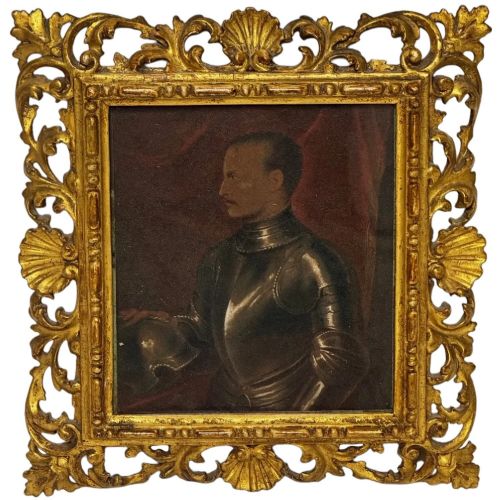
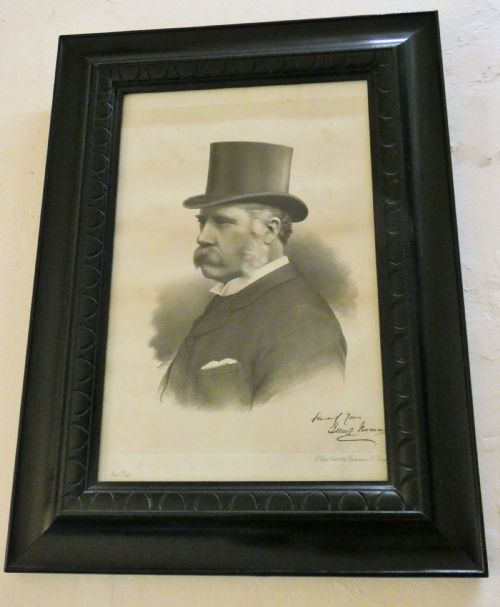
A victorian man picture portrait encompasses framed wall art created across the nineteenth century, ranging from academic oil paintings to naive folk art representations. Buyers searching this phrase look for framed representations of male subjects, which appear on this page as oil on canvas, watercolour, and print formats.
The selection on this page includes specific depictions such as bearded gentlemen, academic figures, fishermen, and foreign subjects styled through orientalism or Italian Renaissance revival influences. These works span early Victorian examples up to pieces dated around nineteen hundred, reflecting diverse social tiers and artistic ambitions of the period.
How they were made
Makers utilised traditional mediums, painting in oil on canvas or applying fine watercolour pigments to paper to capture the likeness of their sitters. Canvases are frequently housed in decorative gilt frames incorporating gesso and gold leaf over a wooden base.
Framing forms an integral part of the physical object, with heavy gilt gesso and moulded wood structures preserving the paintings and works on paper from environmental wear. The technical execution ranges from academic precision seen in works by named artists to the simpler, direct approach of naive folk art.
One gentleman sitter stands out by proudly displaying a wooden leg within his naive portrait.
What varies in quality
Quality in a victorian man picture portrait rests primarily upon the skill of the brushwork and the anatomical accuracy achieved by the artist. Academic works demonstrate sophisticated handling of light and shadow, whereas naive pieces rely on charm and directness rather than strict proportion.
The preservation of the primary medium, whether oil or watercolour, alongside the condition of the original gilt gesso frame dictates the overall integrity of the piece. Works that retain their period frames without extensive losses to the moulded decoration command greater visual coherence.
Gian Paolo Pace·R A Bartlett·William Biscombe Gardner
The Victorian Man Picture Portrait Glossary
- Gesso
- A plaster mix used on wooden frames to create a smooth surface for applying gold leaf. It is frequently moulded into decorative patterns characteristic of the period.
- Oil on Canvas
- A painting technique using pigments suspended in drying oils applied to stretched fabric. This medium allows for rich colour depth and textural build-up.
- Watercolour
- A painting method where fine pigments are suspended in a water-based solution, typically applied to paper. It yields a translucent quality suited to detailed portraiture.
- Folk Art
- Artistic work created by untrained or self-taught makers operating outside academic traditions. These pieces often display a flat perspective and naive charm.
- Orientalism
- A nineteenth-century artistic style depicting scenes and people from the Middle East and North Africa. It reflects contemporary European fascination with Eastern cultures.
Victorian Man Picture Portrait: Frequently Asked Questions
What mediums were used for these portraits?
The listings show works created in oil on canvas, watercolour on paper, and printed formats. Artists selected these materials depending on whether they intended a formal academic commission or a smaller, more intimate study.
Frames were constructed from wood and embellished with gesso and gold leaf to complement the artwork.
How do I date a nineteenth century portrait?
Dating relies on stylistic clues within the clothing, facial hair styles, and framing techniques. Evidence on this page spans from early Victorian pieces up to nineteen hundred.
Inscribed names or biographical details about the sitter also help narrow the chronology.
Are all the sitters identified?
Many portraits depict anonymous gentlemen, fishermen, or figures styled through orientalist themes. Some specific individuals are recorded, such as academic professors or named historical figures.
The inclusion of a name depends on whether the original maker or subsequent owners documented the sitter.
How should I hang a framed portrait?
These works require secure wall fixings suited to the weight of wood and gesso frames. Placement should avoid direct sunlight to protect watercolours and oil surfaces from fading.
Pairing them with period furniture enhances their visual impact in a modern interior.