






Victorian Mahogany Timepiece
A victorian mahogany timepiece is a reliable clock housed in rich timber, bringing steady motion and period character to any room.
Victorian Mahogany Timepiece
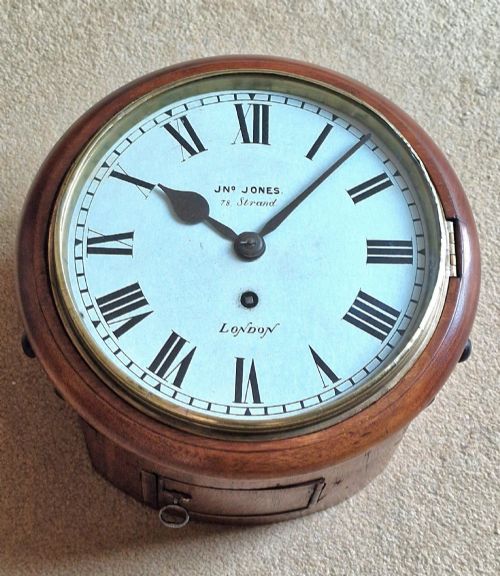
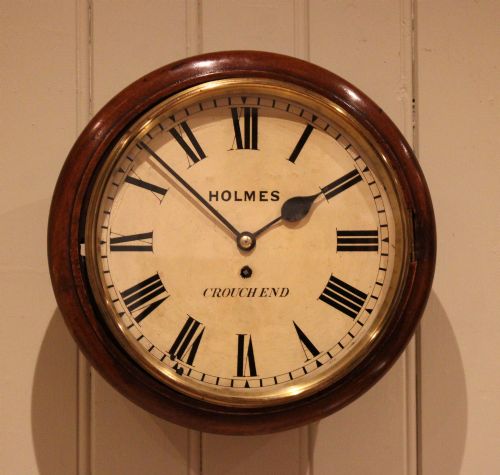
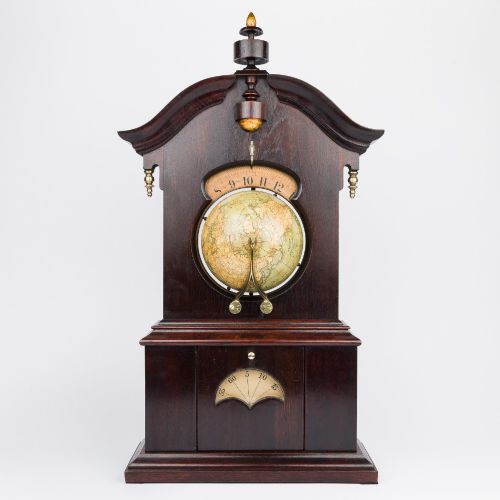
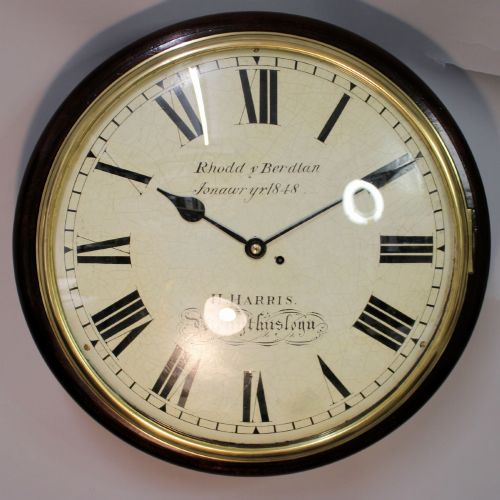
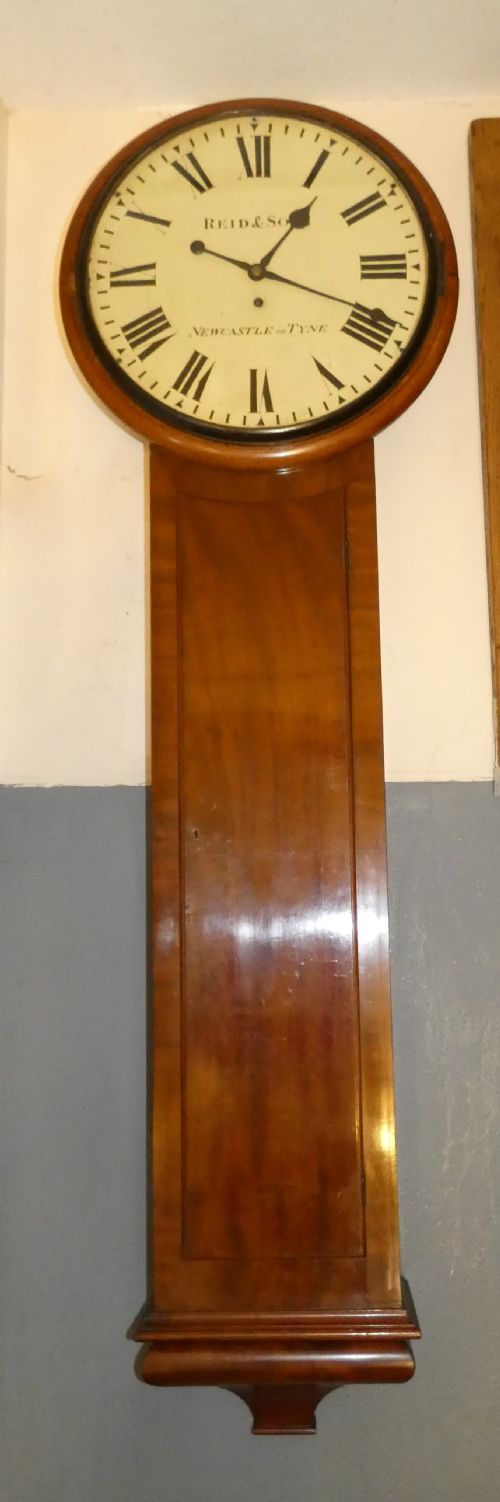
When searching for a victorian mahogany timepiece, buyers encounter various forms designed to measure hours with precision, predominantly featuring wall clocks and bracket clocks. These functional objects served practical purposes in homes, offices, and railway stations throughout the nineteenth century.
The pieces appearing on this page span several decades of the 19th century and stretch into early forms, utilising timber cases paired with glass and brass. Wall-mounted dial clocks and portable bracket clocks form the core of what is available to collectors today.
How They Were Made
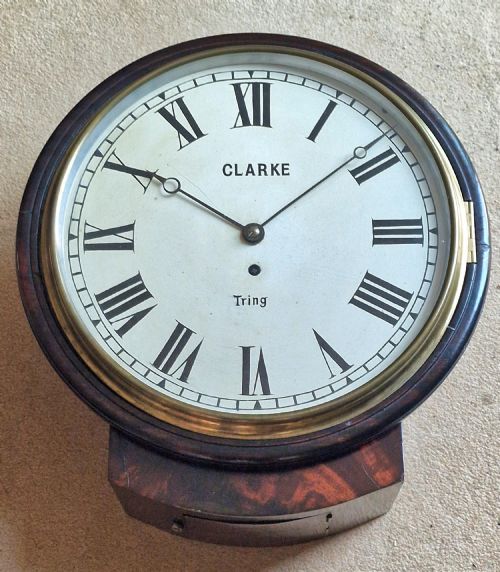
Maker workshops constructed the outer housings using solid mahogany timber, frequently shaping cases into round dials, drop-dial silhouettes, or bracket clock configurations. Glass protected the painted or silvered metal dials, while brass components reinforced internal movements.
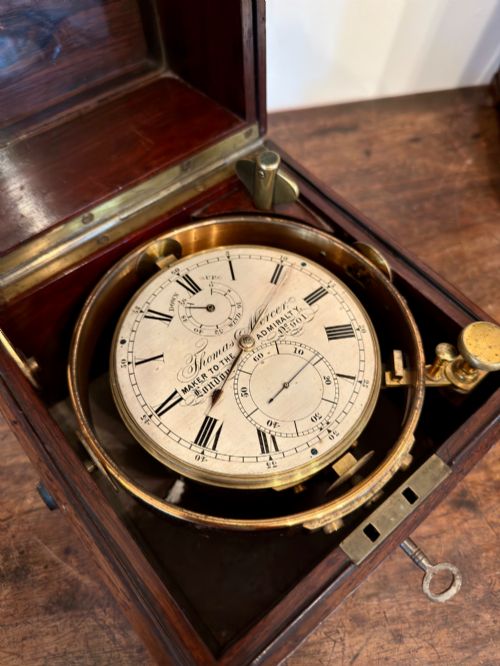
Makers integrated fusee movements to ensure steady tension and accurate timekeeping as the mainspring unwound. Iron and paper occasionally appeared in internal or dial construction, supported by precise joinery.
Victorian Mahogany Timepiece Retail Price Guide 2026
Typical asking prices for victorian mahogany timepiece among the pieces listed under this phrase on Sellingantiques today, from the lower quarter to the upper quarter. They describe what is for sale here now, not the wider market.
Listings incorporate 19th-century periods alongside materials like brass, mahogany, glass, iron, and paper.
What Varies in Quality
Quality rests in the precision of the movement and the crispness of the timber case carving. Superior examples display refined dial lettering and unblemished mahogany grain, whereas simpler models exhibit utilitarian finish and plain housing.
Signed movements by known makers elevate a piece above standard workshop production. The integrity of the original glass, brass bezels, and dial faces also dictates the standing of an individual clock.
Mercer of London·Henry Harris·Webster Cornhill London·Winterhalder & Hofmeier·John Walker·Edward Hannam
The Victorian Mahogany Timepiece Glossary
- Timepiece
- A clock that tells the time without striking hours or chiming melodies. These mechanisms focus entirely on accurate motion.
- Fusee
- A conical pulley used in clock movements to equalise the power of the mainspring as it runs down. This device maintains steady force for precise timekeeping.
- Drop Dial
- A wall clock featuring an extended lower wooden case below the circular dial. This drop often houses a pendulum window.
- Bracket Clock
- A portable clock designed to sit on a table, shelf, or bracket. They frequently feature handles or glazed side panels.
Victorian Mahogany Timepiece: Frequently Asked Questions
Where were wall clocks hung?
These clocks hung in prominent spaces such as railway stations, offices, and hallways where legible dials mattered most.
Domestic rooms also accommodated smaller wall dials to keep households running on schedule.
How do I wind my clock?
Winding requires a key inserted into the dial face to tension the mainspring slowly.
Careful rotation prevents over-winding and protects the internal fusee mechanism from damage.
Are bracket clocks portable?
Bracket clocks were built to move between rooms on tables or desks as needed.
Their sturdy mahogany housings protected the delicate mechanisms during relocation.
What is a fusee movement?
A fusee movement uses a conical drum to regulate the pull of the mainspring.
This clever design ensures even power distribution as the spring loses tension.