




Victorian Lustre Jug
A victorian lustre jug brings the warmth of metallic glazes and transfer-printed maritime scenes straight to the table.
Victorian Lustre Jug
When you search for a victorian lustre jug, you encounter earthenware and ceramic pouring vessels shaped as cream jugs, milk jugs, and larger pitchers. These pieces span the nineteenth century, including the Victorian period and earlier Georgian roots.
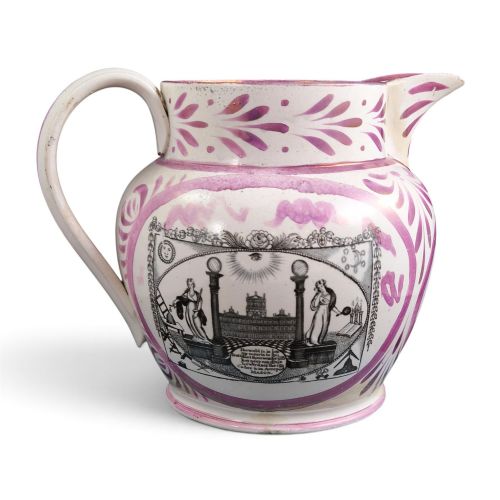
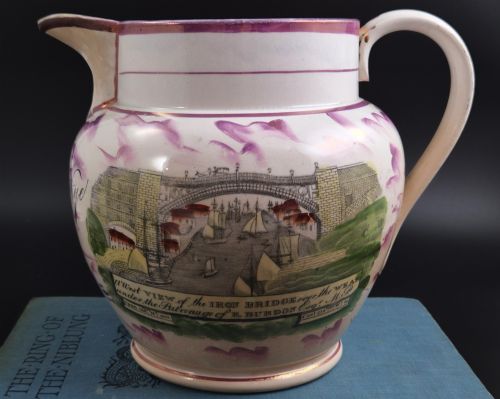
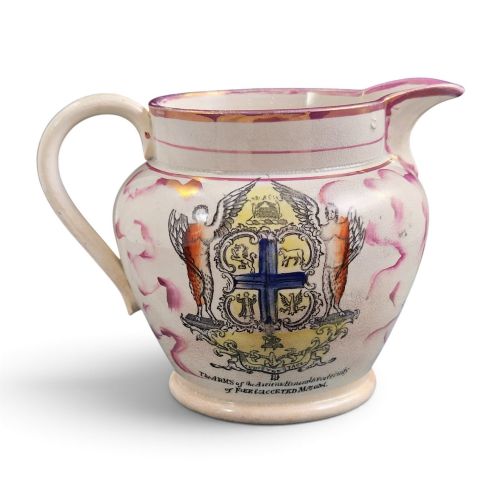
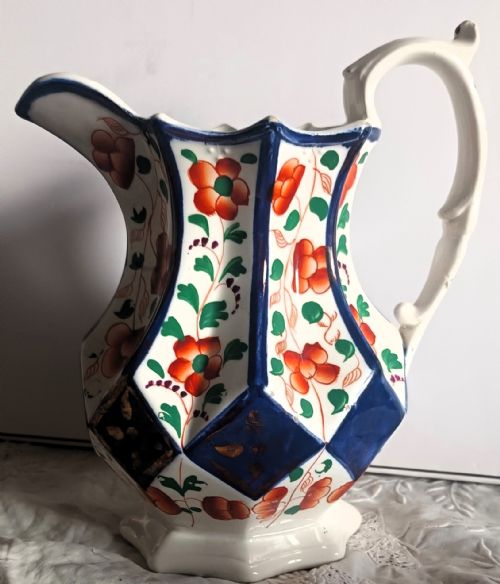
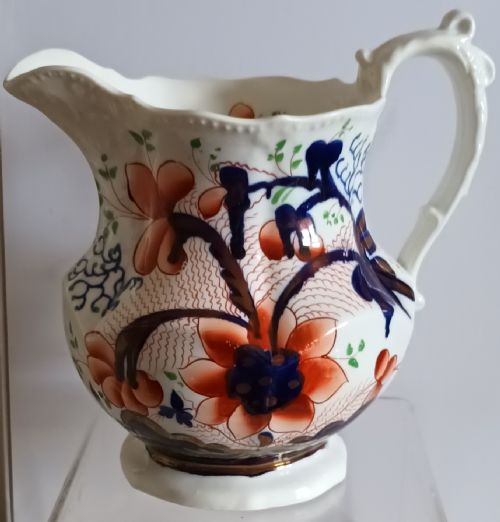
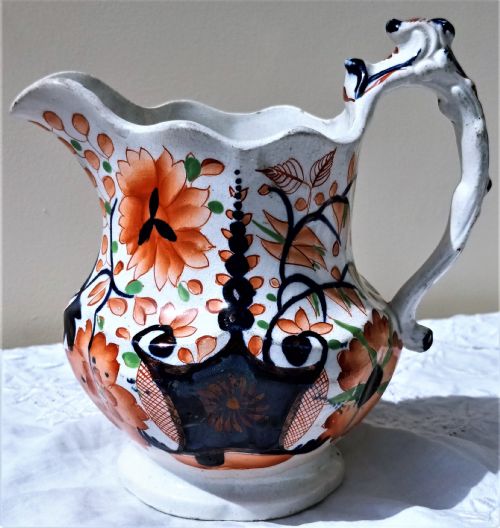
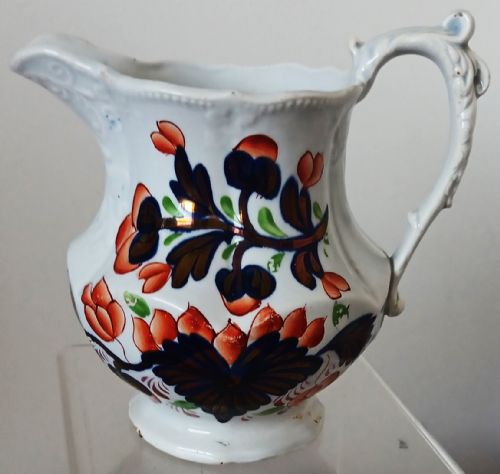
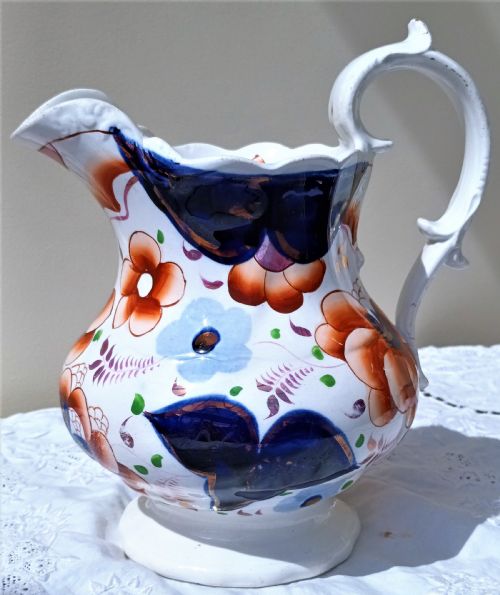
You meet distinct regional varieties on this page, ranging from Sunderland pink splash examples featuring the Iron Bridge over the Wear and Masonic emblems to Gaudy Welsh patterns like Grape, Drape, Pagoda, Harlech, Aberaeron, and Conwy. Staffordshire works also appear frequently, decorated with hand-painted fruit or purple transfer printing.
How they were made
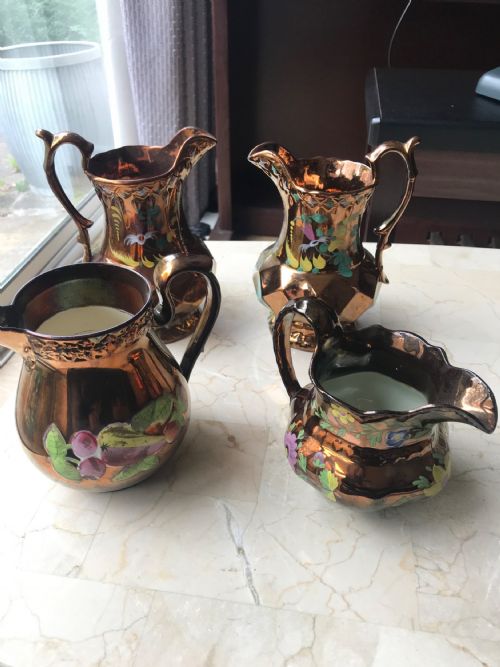
Potters shaped these vessels from earthenware and ironstone china, applying glazes that incorporated metallic oxides to achieve copper and pink lustre finishes. Many pieces received additional colour through enamel painting or detailed transfer-printed designs.
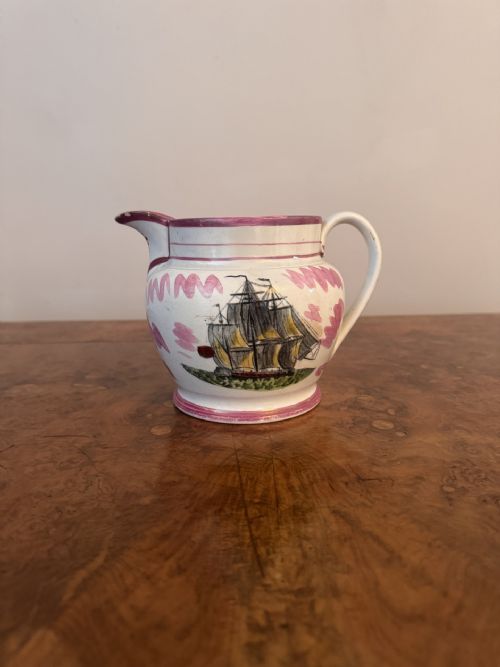
The characteristic metallic sheen results from a reduction firing process that deposits a thin film of metal onto the ceramic surface. Artisans combined this technique with hand-decorated motifs such as botanical studies, maritime scenes, and clipper ships.
Victorian Lustre Jug Retail Price Guide 2026
Typical asking prices for victorian lustre jug among the pieces listed under this phrase on Sellingantiques today, from the lower quarter to the upper quarter. They describe what is for sale here now, not the wider market.
The listings span the nineteenth century, featuring earthenware, ironstone china, and pearlware with copper lustre glazes.
What varies in quality
The distinction between standard domestic items and finer examples rests upon the crispness of the transfer printing and the richness of the metallic glaze. Richly executed Sunderland pink splash surfaces and carefully hand-decorated Staffordshire fruit motifs separate more ambitious pieces from simpler utility wares.
Complexity of form and decoration defines the upper range, particularly on pieces featuring multiple transfer prints alongside detailed masonic iconography or named historical subjects. Consistency in the lustre application and clarity of the polychrome enamel details also mark out the more accomplished potteries.
Sunderland Garrison Pottery·Livesley Powell and Co
The Victorian Lustre Jug Glossary
- Copper Lustre
- A ceramic glaze containing copper that fires to a reflective, metallic bronze or brownish finish. It was widely used on nineteenth-century Staffordshire jugs.
- Pink Lustre
- A pottery finish created by using a dilute solution of gold or copper to produce a soft pink or purple metallic sheen. This effect characterises many Sunderland pieces.
- Transfer Printing
- A decoration technique where an engraved metal plate transfers a design onto paper, which is then stamped onto the ceramic body before glazing. It allowed intricate maritime scenes and patterns to be produced consistently.
- Pearlware
- A fine earthenware developed in the late eighteenth century with a bluish-white glaze that pooled in crevices. It served as a common body for early nineteenth-century lustre pieces.
- Gaudy Welsh
- A style of colourful pottery featuring cobalt blue, copper lustre, and iron-red enamels on white earthenware. It gained popularity during the Victorian era for domestic table use.
Victorian Lustre Jug: Frequently Asked Questions
What is a pink lustre jug?
A pink lustre jug is an earthenware vessel finished with a metallic glaze that creates a shimmering pink or purple effect. These pieces often feature transfer-printed views of bridges, maritime subjects, or masonic symbols.
Potters across the nineteenth century produced them for display and daily use, making them staples of regional English pottery.
How do I identify Gaudy Welsh pottery?
Gaudy Welsh pottery stands out through its bold palette of cobalt blue, iron-red, and green, combined with distinctive copper lustre highlights. Common patterns include named geometric and floral motifs such as Grape, Pagoda, and Harlech.
These pieces were made in Staffordshire and Wales during the Victorian period for domestic tea and milk service.
Where were Sunderland lustre jugs made?
Sunderland lustre jugs originated from potteries situated along the River Wear in the northeast of England. Garrison Pottery stands among the notable workshops associated with these distinctive maritime vessels.
They frequently recorded local landmarks like the Iron Bridge, alongside commemorative verses and clipper ships.
How were copper lustre jugs used?
Copper lustre jugs served primarily as functional milk and cream containers for the table. Their reflective metallic surfaces also made them popular decorative ornaments on dresser shelves.
Many larger examples functioned as commemorative pieces, celebrating local architecture, friendly societies, or maritime achievements.