



Victorian Luggage Box
A victorian luggage box is a sturdy travel container designed for transit, offering rugged storage utility and period character for modern interiors.
Victorian Luggage Box
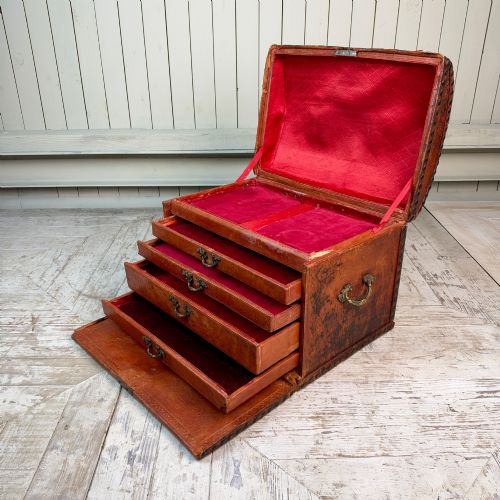
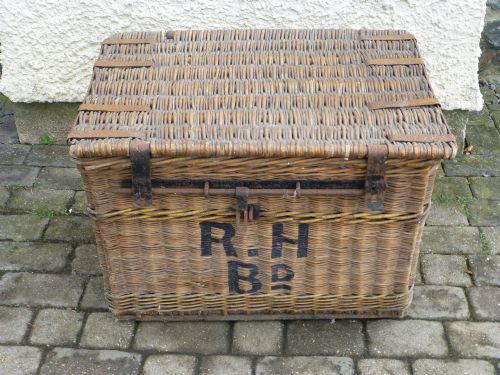
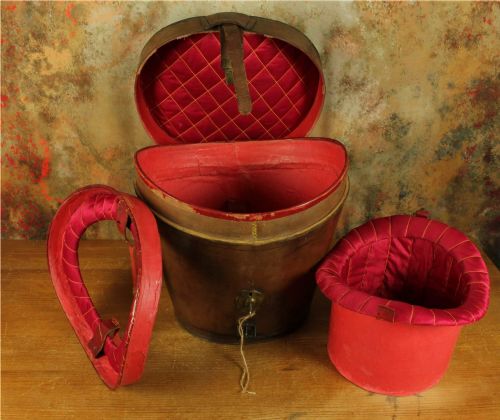
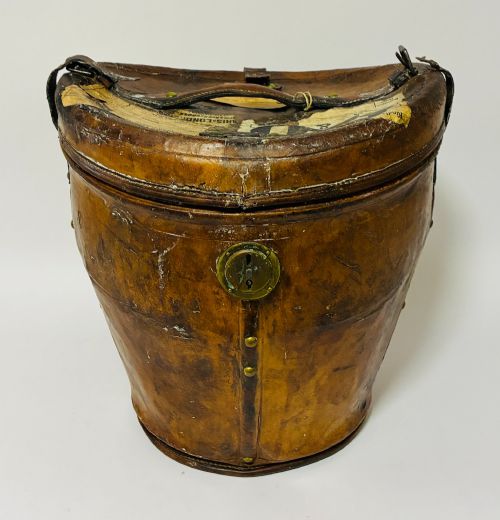
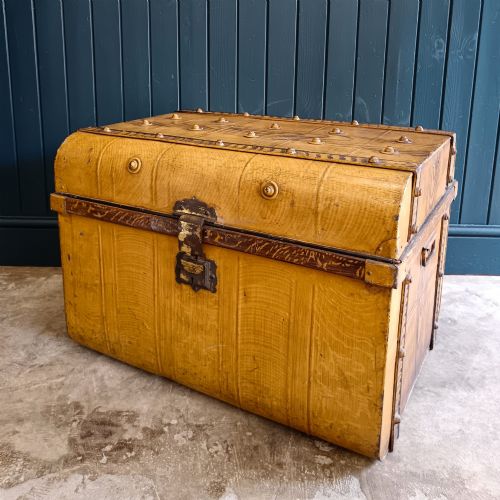
When you search for a victorian luggage box, you encounter robust travel containers built to withstand the rigours of 19th century transit. These pieces range from leather-covered hat cases and wooden trunks to metal steamer chests and canvas-bound travel boxes.
The most common examples on this page are leather-bound trunks and specialised storage cases originating from the Victorian period and the wider 19th century. They serve equally as functional storage chests and striking coffee tables or display pieces in contemporary homes.
Materials and construction
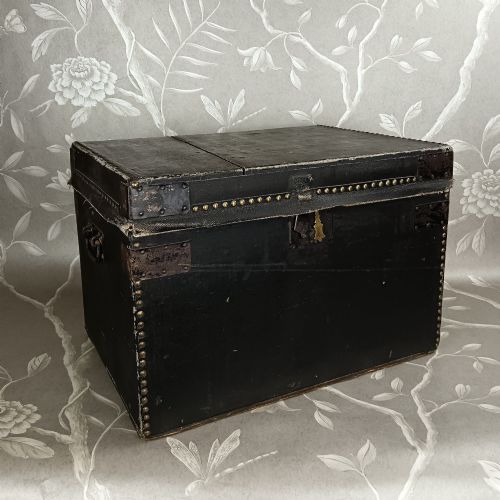
Makers constructed these storage pieces using durable woods like oak, camphorwood, and pine as a foundational carcass. They then reinforced the exterior surfaces with heavy leather, painted canvas, iron, or zinc linings to protect contents from the elements during travel.
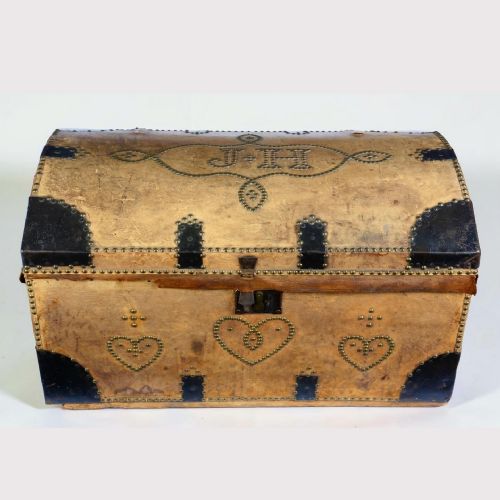
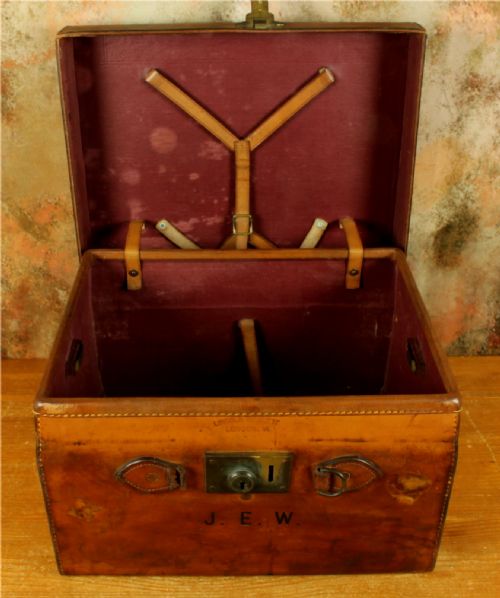
Craftsmen applied structural reinforcement using brass studwork, corner caps, and iron bands secured with rivets. Interiors often featured specialised fittings, silk linings, or simple wooden partitions tailored to accommodate specific items such as hats, suits, or grooming accessories.
Victorian Luggage Box Retail Price Guide 2026
Typical asking prices for victorian luggage box among the pieces listed under this phrase on Sellingantiques today, from the lower quarter to the upper quarter. They describe what is for sale here now, not the wider market.
Listings feature 19th-century travel equipment spanning leather hat cases, iron-strapped steamer trunks, oak campaign chests, and zinc-lined storage boxes.
Distinctions in quality
Superior quality in these travel containers rests on the caliber of original hardware, the thickness of the leather or wood, and the integrity of internal fittings. Fine examples bear maker stamps from established outfitters and retain original working locks, keys, and structural bracing.
Lower-tier items display heavier wear without specialised maker provenance, replacement hardware, or compromised structural timber. The presence of bespoke interior compartments or specialised forms like double hat cases elevates a piece above standard utility trunks.
Wm. Insall of Bristol·Arthur Wannop·Lincoln Bennett·JW Allen·Drew and Sons·Peek Frean and Co·C. Antrobus·Finnegans of Bond Street·Hawkes and Co
The Victorian Luggage Box Glossary
- Campaign trunk
- A sectional travel chest designed to separate or fold for military transport. These pieces often feature recessed brass handles and protective corner brackets.
- Toleware
- Enamelled or japanned metalware produced to mimic oriental lacquer. Hat boxes and small storage cases frequently utilised this durable painted tin material.
- Steamer trunk
- A lower-profile travel trunk designed to fit beneath a cabin berth on a steamship. They typically feature flat or slightly domed lids covered in canvas, metal, or leather.
- Camphorwood
- An aromatic Asian timber prized for campaign furniture and chests. Its natural scent repelled insects and protected stored textiles during long journeys.
- Studwork
- Decorative and functional brass or iron tacks applied in patterns along the edges of leather-covered trunks. This technique secured the hide while adding visual definition.
Victorian Luggage Box: Frequently Asked Questions
What were victorian luggage boxes used for?
These boxes served as portable wardrobes and protective storage for clothing, hats, and personal belongings during 19th-century travel by coach, rail, and steamship. Travellers relied on them to keep garments secure and organised through rough journeys.
Today, they transition easily into living spaces as coffee tables, blanket chests, or bedside storage while retaining their historical character.
How do I care for leather and canvas trunks?
Maintain leather surfaces by applying appropriate conservation balms to keep the hide supple and prevent cracking. Keep canvas and painted metal clean using a dry or barely damp cloth without harsh chemicals.
Position these pieces away from direct heat sources and strong sunlight to preserve the original materials and finishes.
How can I tell a Victorian trunk from a later one?
Examine the construction methods, materials, and hardware such as brass locks, iron rivets, and hand-stitched leather seams. Victorian examples often utilise solid timber carcases like oak, pine, or camphorwood paired with heavy brass studwork.
Maker stamps and patent marks associated with 19th-century outfitters help confirm the era of production alongside period-specific construction details.
Can I use a travel trunk as a coffee table?
Flat-topped steamer trunks and sturdy wooden chests work exceptionally well as coffee tables in domestic settings. Their flat surfaces accommodate books and trays while providing hidden storage inside.
Ensure the lid structure remains stable and support any weight evenly across the top surface.