







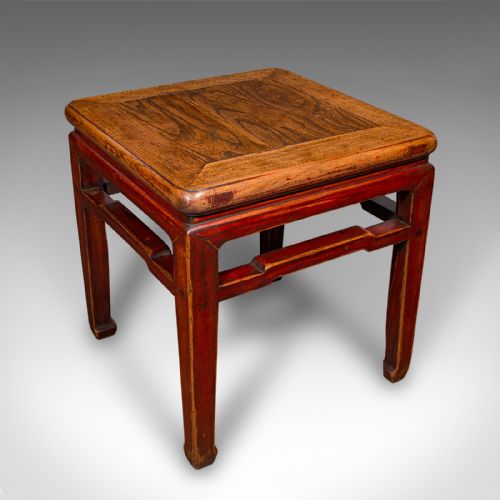
Victorian Low Side Table
A victorian low side table brings a neat, useful surface to a fireside or a corner without dominating the room.
Victorian Low Side Table
A victorian low side table encompasses compact occasional furniture designed for practical placement beside seating during the nineteenth century. These pieces serve functions ranging from lamp support to tea service, scaled down in height for convenience.
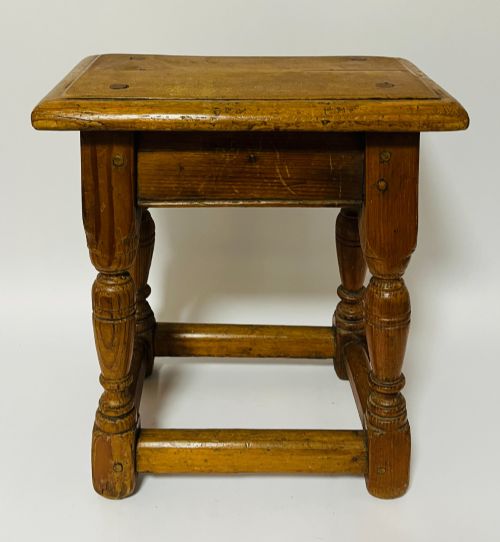
The versions most commonly met on this page emerge from Victorian and nineteenth-century traditions, alongside related forms like coffee tables and stools. Woods such as mahogany, walnut, and oak dominate the selection, often taking rectangular or low profiles.
How they were made
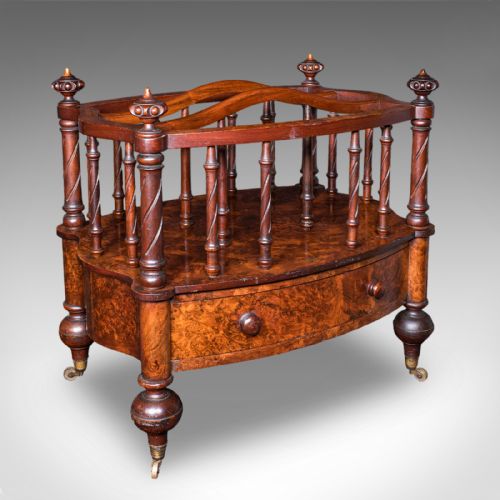
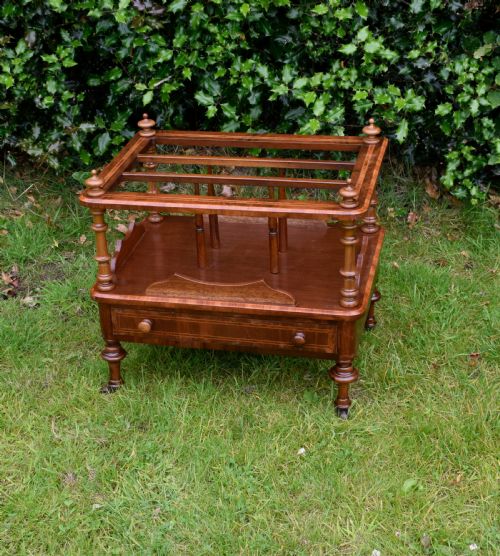
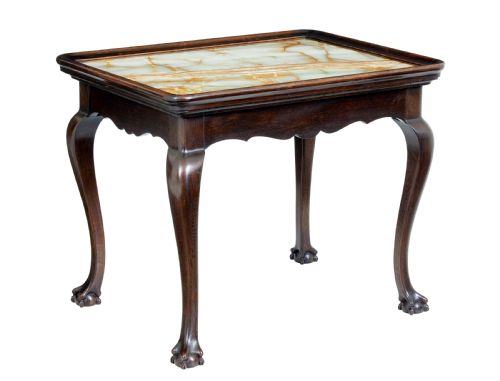
Cabinet makers utilised dense hardwoods including mahogany, walnut, and oak, frequently employing burr walnut veneers for decorative surfaces. Marquetry inlay, brass detailing, and marble tops appear across various pieces to add visual texture.
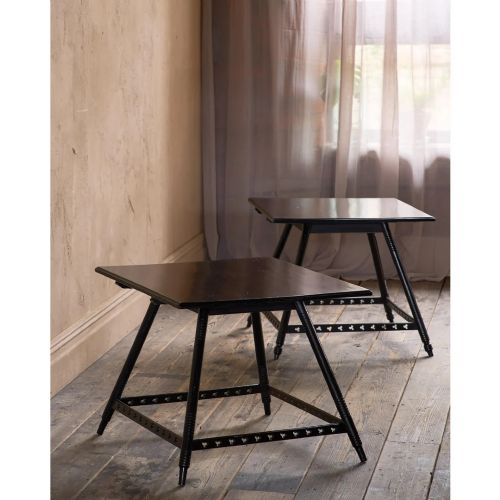
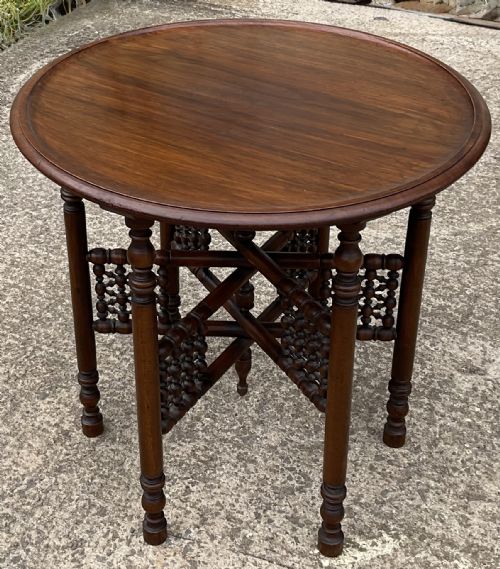
Construction techniques relied on solid timber framing and traditional joinery suitable for domestic furniture subjected to regular handling. Turnings, carved details, and occasional ebonised finishes complete the physical execution.
Victorian Low Side Table Retail Price Guide 2026
Typical asking prices for victorian low side table among the pieces listed under this phrase on Sellingantiques today, from the lower quarter to the upper quarter. They describe what is for sale here now, not the wider market.
Listings feature walnut, mahogany, and oak timbers alongside marble tops, brass fittings, and ebonised wood finishes across the nineteenth-century pieces.
What varies in quality
The standard of timber selection and veneer matching defines the upper tier of these tables. Richness of grain, particularly in burr walnut and satinwood examples, marks out finer workshops from standard production.
The crispness of carved detail, the integration of materials like marble and brass, and the stability of the underlying construction distinguish master craftsmanship from simpler vernacular pieces.
Edwards and Roberts·Gillows of Lancaster
The Victorian Low Side Table Glossary
- Burr walnut
- A figured veneer sliced from the growth excrescences of walnut trees, prized for its swirling grain patterns. It provides a highly decorative surface on nineteenth-century table tops.
- Ebonised wood
- Timber treated with a dark stain or finish to imitate ebony. This technique was popular for creating a formal, high-contrast look on nineteenth-century furniture.
- Marquetry
- The art of applying decorative veneer pieces to a structure to form intricate designs. Craftsmen use various tinted woods to create pictorial or geometric scenes.
- Satinwood
- A pale, hard timber with a natural sheen, often utilised for fine inlay and marquetry work. It brings a bright contrast to darker furniture woods.
Victorian Low Side Table: Frequently Asked Questions
Where should I place a low side table?
These pieces sit comfortably beside low armchairs, sofas, or beds where standard table heights feel too elevated. Their compact proportions allow them to tuck into tight corners or serve as central lamp surfaces.
They function equally well supporting small decorative items or holding everyday reading materials within arm's reach.
How do I care for nineteenth century timber?
Keep wooden surfaces away from direct heat sources and strong sunlight to prevent the timber and veneer from drying out. Regular dusting with a soft, dry cloth preserves the finish.
Apply a quality natural wax occasionally to nourish the wood and maintain its subtle sheen without building up heavy residues.
Can I use these tables for daily coffee cups?
Many examples with wood or marble tops handle everyday use quite comfortably. Protective coasters help guard against moisture rings on polished timber surfaces.
Marble-topped versions offer robust resistance to liquid spills, making them particularly practical for routine domestic service.
What defines the Victorian style?
Victorian furniture draws upon a wide mix of historic revival styles, incorporating rich dark woods, turned supports, and decorative inlays. Cabinet makers valued both solid utility and elaborate ornamentation.
Proportions often adapted to suit domestic comfort, resulting in specialised forms designed for specific rooms and tasks.