

Victorian Longue
A victorian longue offers a singular form of reclining seat, built to sustain long hours of repose with architectural grace.
Victorian Longue
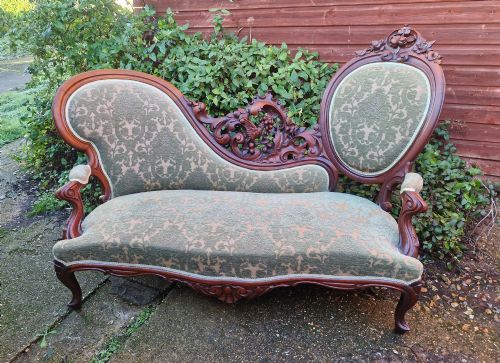
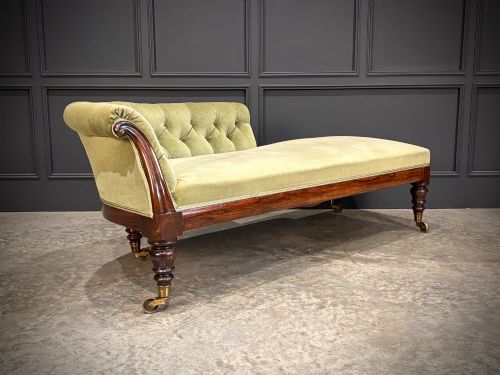
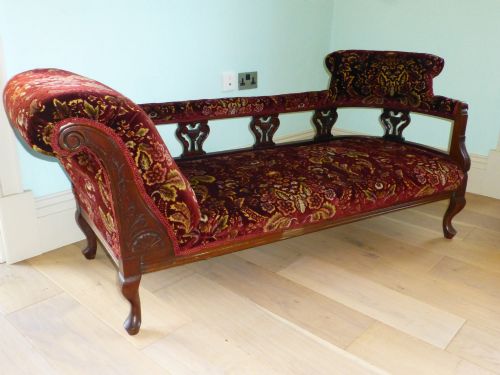
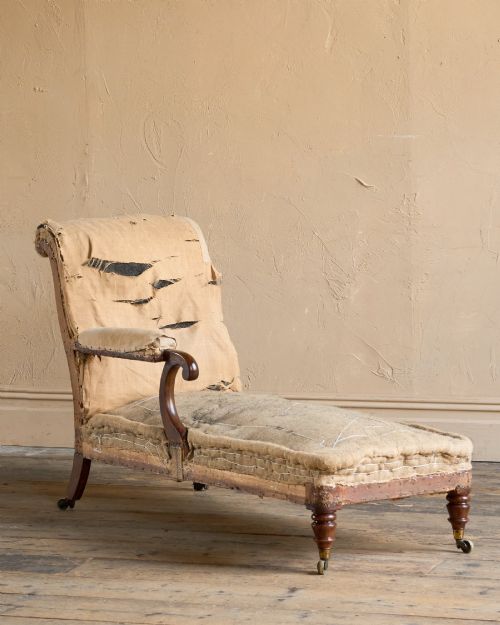
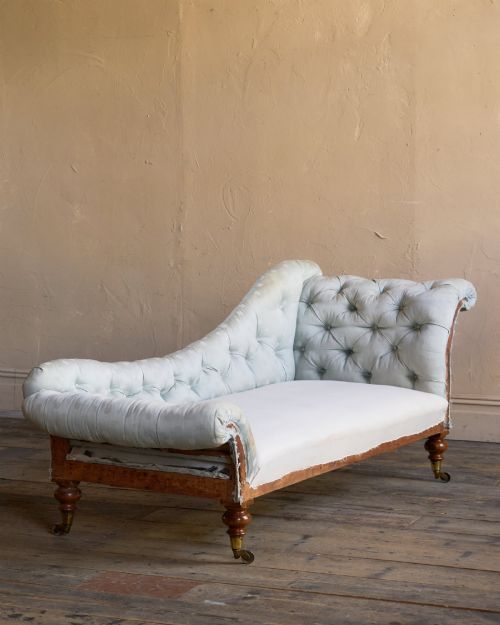
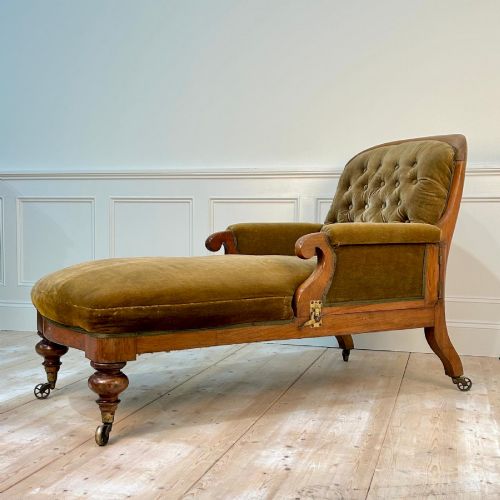
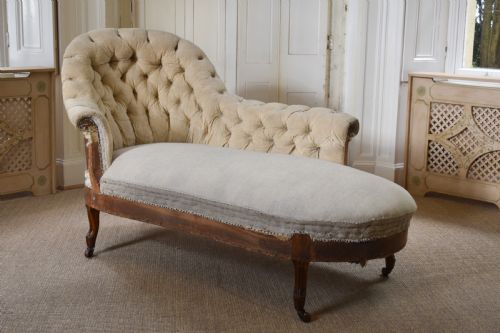
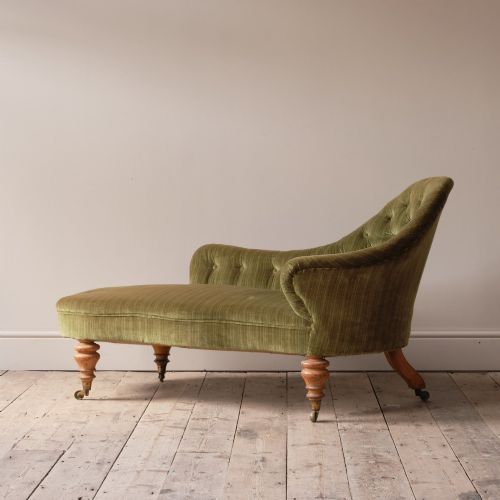
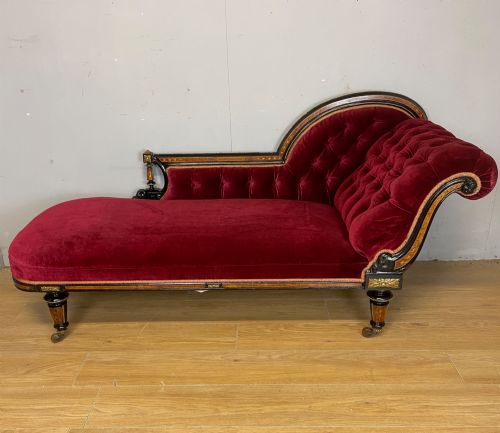
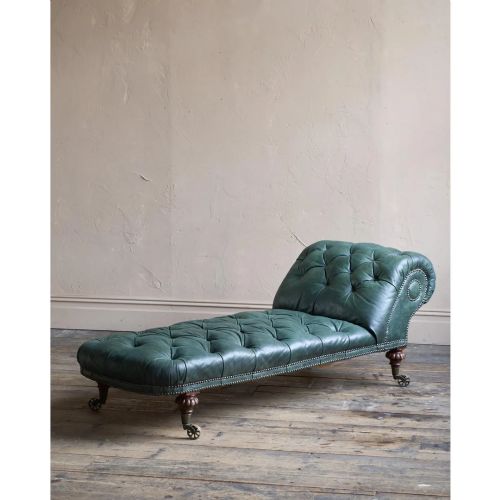
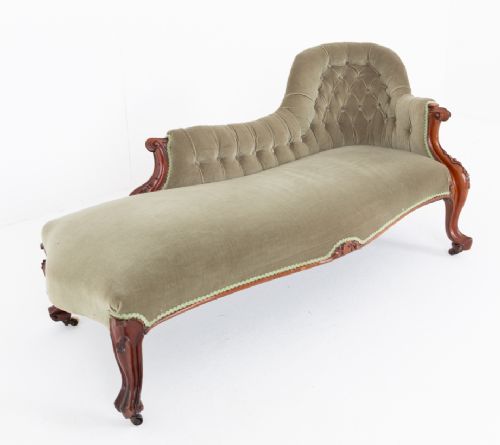
When you search for a victorian longue, you encounter daybeds, chaise longues, and scroll-ended sofas designed for reclining in nineteenth-century drawing rooms and country houses. The most common form on this page is the wooden-framed chaise longue featuring a raised back and a single scrolled end for half-sitting, half-lying comfort.
The materials and styles span from heavy rosewood and carved mahogany frames of the mid-nineteenth century to lighter ebonised woods, cast iron, and wrought iron garden daybeds. Makers such as Holland and Sons and Howard and Sons contribute substantial maker-attributed pieces alongside campaign style daybeds and French 19th-century models.
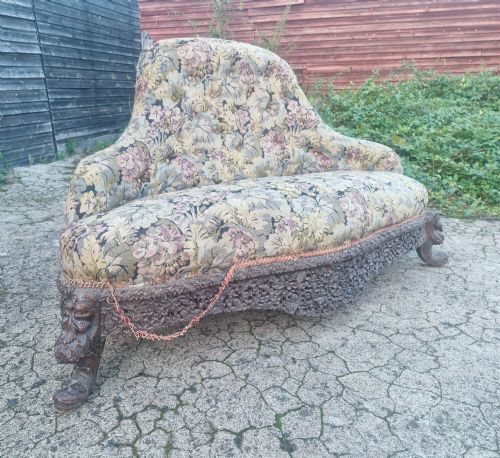
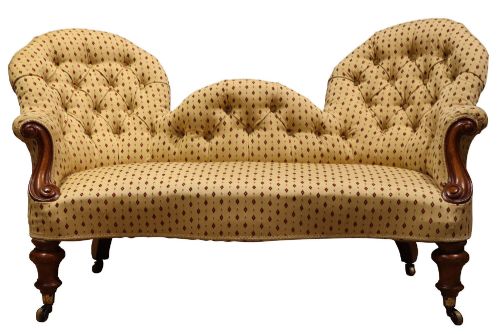
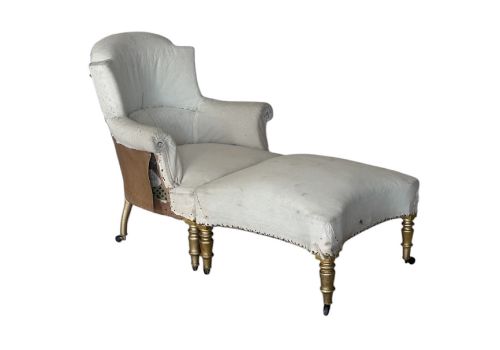
Beyond the standard chaise, variations include double ended sofas, duchess brisées with matching armchairs and stools, conversation seats, and reversible box ottoman daybeds. These seating forms reflect a Victorian domestic culture that prized specialised furniture for lounging and entertaining.
How they were made
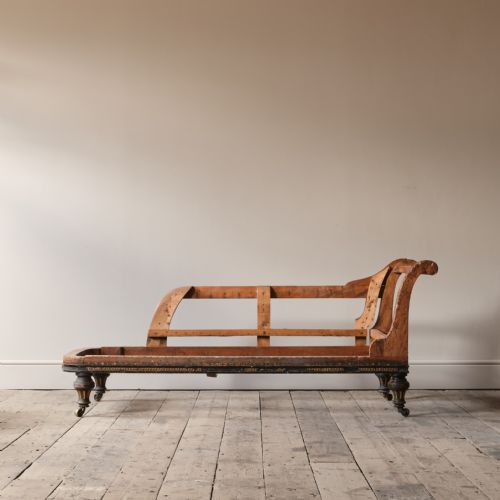
Cabinet makers built the structural frames using dense timbers like mahogany, rosewood, walnut, and oak, often shaping the wood with elaborate scroll ends and carved details. Ebonised finishes, inlaid walnut panels, and ormolu decoration added formal visual weight to high-status pieces.
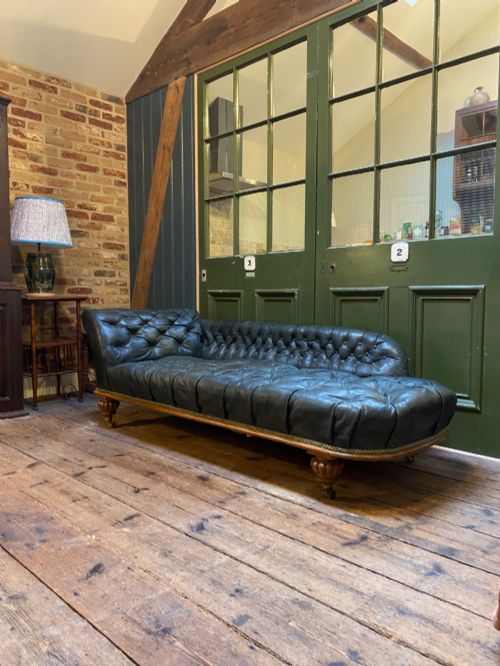
Upholstery relied on traditional springing and stuffing, subsequently covered in fabrics ranging from deep pile brocade and damask to button-backed leather, velvet, and calico. Metal elements such as brass, cast iron, and wrought iron formed the structure of campaign daybeds and garden pieces.
Victorian Longue Retail Price Guide 2026
Typical asking prices for victorian longue among the pieces listed under this phrase on Sellingantiques today, from the lower quarter to the upper quarter. They describe what is for sale here now, not the wider market.
Some nineteenth-century daybeds cleverly conceal a reversible box ottoman beneath the squab cushion.
What varies in quality
The distinction between ordinary seating and exceptional pieces rests upon the crispness of the timber carving and the architectural ambition of the frame. Heavy rosewood and mahogany structures with deep scrollwork or ionic column legs demonstrate superior cabinet work compared to plainer frames.
Attribution to documented workshops like Holland and Sons or Howard and Sons elevates a piece, as does the retention of original turned legs and working castors. The sophistication of secondary decorative elements, such as inlaid walnut panels and ormolu mounts, separates standard domestic furniture from high-end drawing room examples.
Holland and Sons·Howard and Sons·H Goodall and Sons
The Victorian Longue Glossary
- Chaise Longue
- A long upholstered chair-sofa hybrid designed for reclining, typically featuring one raised end and a partial back.
- Duchess Brisee
- A multi-part daybed arrangement consisting of an armchair paired with a matching stool or a low chair.
- Ormolu
- Gilt-bronze decorative mounts applied to furniture woodwork to provide metallic contrast and ornamental detail.
- Button Back
- An upholstery technique where buttons are pulled deep into the padding to create a textured, tufted diamond pattern.
- Campaign Style
- Portable or dismantlable furniture designed for military officers, often incorporating folding frames and brass fittings.
Victorian Longue: Frequently Asked Questions
What is a victorian longue?
A victorian longue is an upholstered reclining seat designed during the nineteenth century, combining the functions of a sofa and a bed.
These pieces typically feature a single raised scroll end and a partial backrest intended for half-recumbent sitting in drawing rooms.
How do you use a daybed?
Daybeds serve as daytime seating for reading or resting, functioning in large living spaces or country house libraries.
They offer an intermediate option between a conventional sofa and a full bed for daytime relaxation.
How are different periods identified?
Periods are distinguished through timber choices, carved ornament styles, and structural forms associated with specific decades.
Early nineteenth-century pieces often display Regency or William IV influences, while later examples show Victorian Rococo Revival or ebonised aesthetics.
What is a duchess brisee?
A duchess brisee is a composite reclining form made from an armchair and a matching stool placed together.
This French style allows the user to extend their legs fully while maintaining the support of an upholstered chair back.