

Victorian Lighting Stand
A victorian lighting stand brings height, weight and warm metal or carved wood to a dark corner.
Victorian Lighting Stand
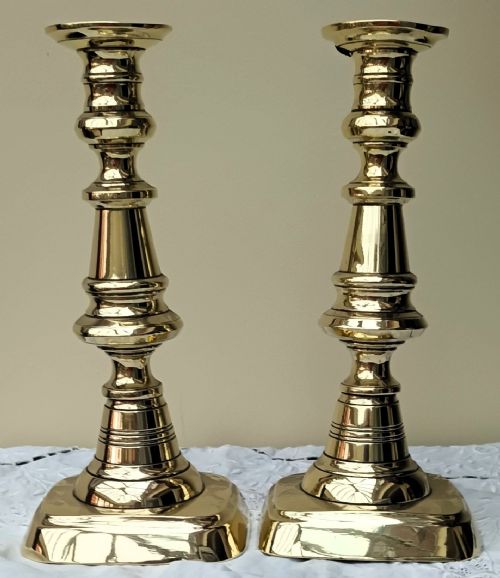
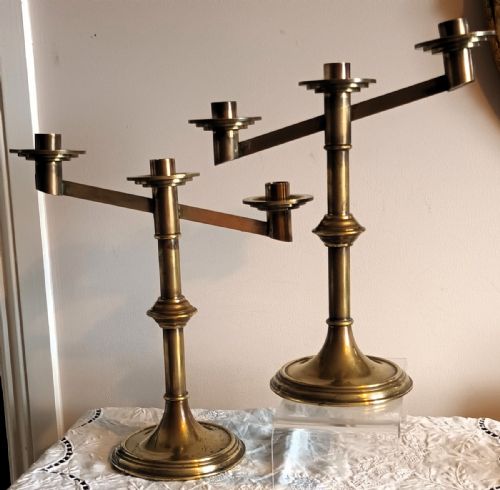
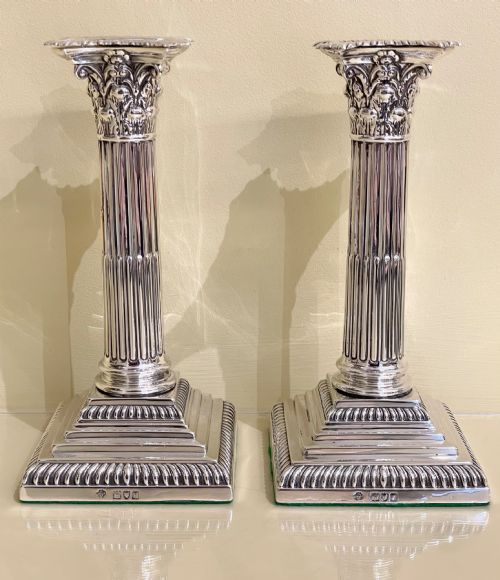
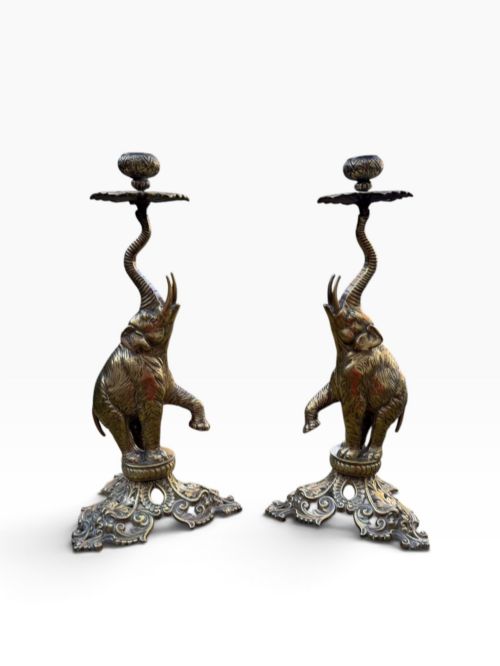
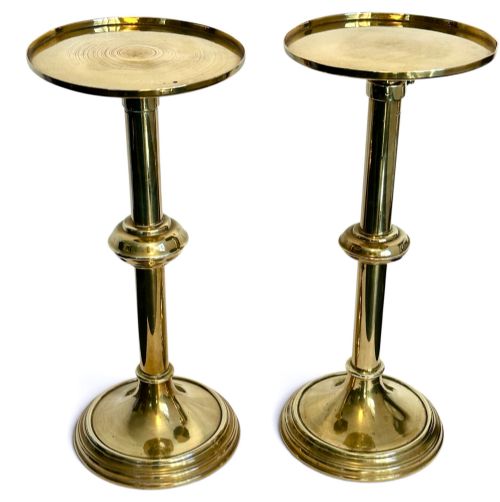
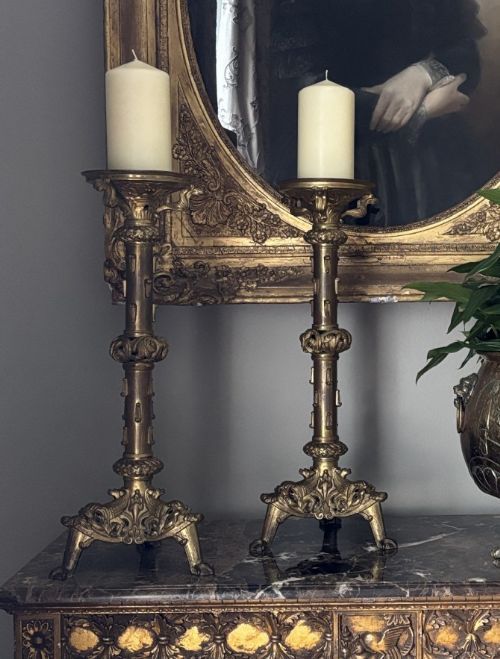
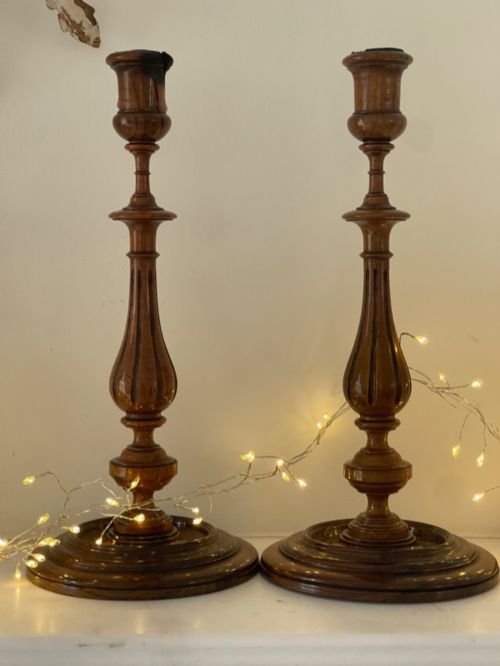
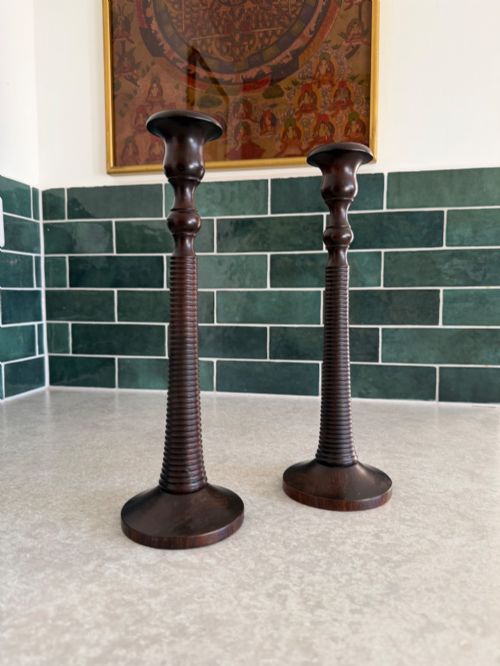
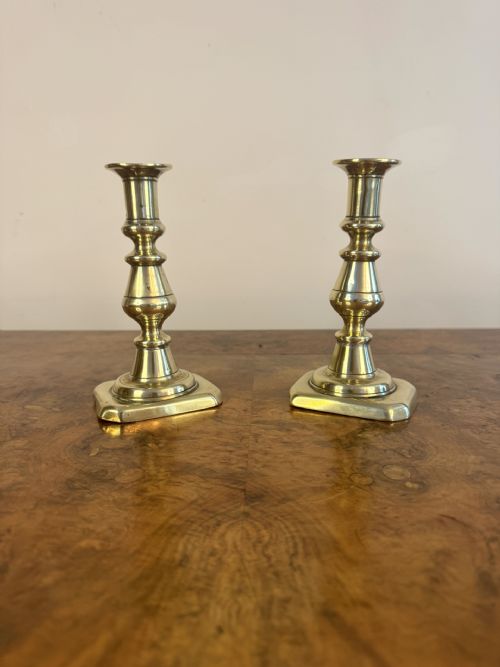
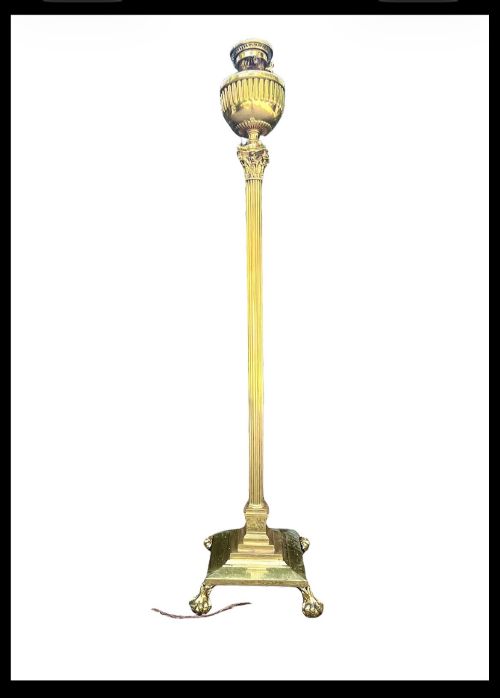
A victorian lighting stand encompasses tall floor lamps, standard oil lamps, church candlesticks and heavy torcheres designed to hold candles or burners aloft. The pieces on this page span the nineteenth century and the Edwardian era, taking forms from simple adjustable brass columns to ornate bronze and gilt stands.
You will frequently encounter heavy brass standard lamps, telescopic oil lamps converted to electricity, and pairs of tall church candlesticks in brass or bronze. Styles stretch from Gothic Revival and Neoclassical to Arts and Crafts and Art Nouveau, reflecting diverse interior tastes of the period.
Many items show dual utility, such as standard lamps combined with small wine tables or adjustable stems that alter the height of the light source. These floor-standing pieces provided fixed or mobile illumination before wall wiring became standard.
Materials and technique
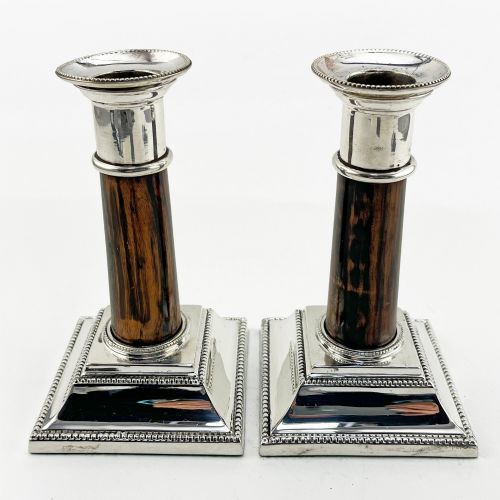
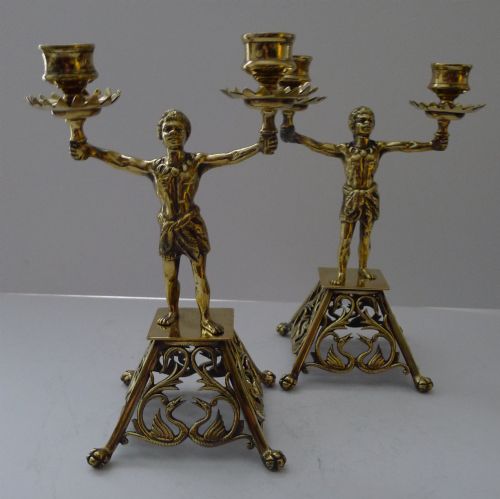
Makers utilised cast and spun brass, bronze, gilt bronze, and pewter, often combining metal with onyx, marble, fabric, or carved mahogany. Heavy casting ensured that tall floor standards and church candlesticks remained stable despite their height and the weight of extended arms.
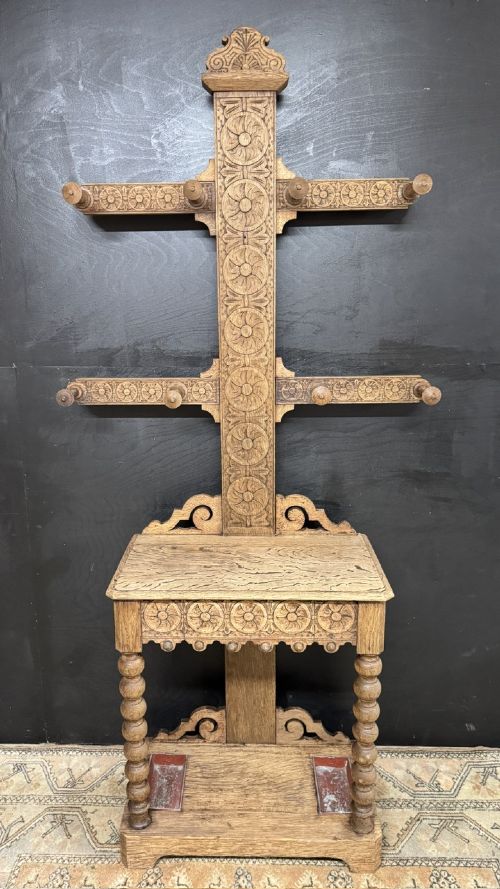
Complex surface work included champlevé enamel, ormolu gilding, silver plating, and detailed hand carving on wooden standards and torchers. Telescopic mechanisms and articulated joints allowed functional adjustment in height and reach for oil reservoirs and candle platforms.
Victorian Lighting Stand Retail Price Guide 2026
Typical asking prices for victorian lighting stand among the pieces listed under this phrase on Sellingantiques today, from the lower quarter to the upper quarter. They describe what is for sale here now, not the wider market.
What separates the best from the rest
The distinction lies in the crispness of the casting, the weight of the base, and the integrity of mechanical adjustments like telescopic stems and screw keys. Finer examples display deep, hand-chased relief work and substantial gauge metal rather than thin, pressed components.
Material combination also elevates a piece, such as the inclusion of genuine onyx shafts, champlevé enamel inserts, or fine marble bases beneath gilt bronze mounts. Maker signatures on brass keys or mechanisms add documented provenance that lifts an item above anonymous production.
Hinks of B'ham·Barbedienne
The Victorian Lighting Stand Glossary
- Standard lamp
- A tall floor-standing lamp base designed to support a light fitting or oil reservoir. These upright stands often feature weighted bases for stability.
- Torchere
- An ornamental stand or tall candlestick designed to hold a light source high above the floor. They frequently feature carved wood or classical bronze tripod supports.
- Ormolu
- Finely ground high-carat gold applied to a bronze base using a mercury amalgamation technique. This finish provides a bright, lasting golden gleam on decorative mounts.
- Champleve
- An enamelling technique where troughs are dug into a metal surface and filled with vitreous enamel before firing. It creates vibrant coloured patterns across bronze and brass stands.
- Pricket candlestick
- A candle holder featuring an upright metal spike that pushes directly into the base of the wax candle to secure it. They appear frequently on church and altar pieces.
Victorian Lighting Stand: Frequently Asked Questions
What is a standard lamp?
A standard lamp is a tall floor-standing lighting support designed to elevate an oil burner, candle cluster or electric bulb above furniture level. They provide ambient room illumination from a stable, weighted base.
These versatile pieces moved around large nineteenth-century rooms to brighten dark seating areas or reading corners before fixed ceiling wiring became common.
How do telescopic oil lamps work?
Telescopic oil lamps use a sliding inner brass tube secured by a thumbscrew, allowing the owner to raise or lower the oil reservoir and burner assembly. This mechanical adjustment directed light precisely where needed for tasks or reading.
Many of these functional stems have since been converted to electricity while retaining their original height-adjusting mechanisms and weighted bases.
Where were church candlesticks used?
Church candlesticks stood on altars or sanctuary floors, cast in heavy brass or bronze to remain secure under the weight of large wax candles. Their imposing height and sturdy pricket tops suited ecclesiastical spaces.
Today, these tall candlesticks find new life in domestic interiors, placed beside fireplaces or in hallways for dramatic decorative height.
How do I care for brass stands?
Brass and bronze stands require gentle dusting with a soft cloth to prevent grime accumulation on detailed chasing and relief work. Avoid harsh abrasive cleaners that strip historic patination and surface character.
If polishing is necessary for bright brass components, use a mild cream applied sparingly, keeping polish away from fabric shades, onyx panels or enamel inlays.