

Victorian Library Sofa
These pieces called a victorian library sofa combine substantial nineteenth-century timber frames with upholstered comfort for reading and writing rooms.
Victorian Library Sofa
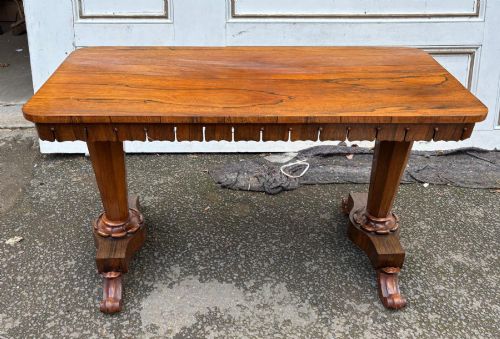
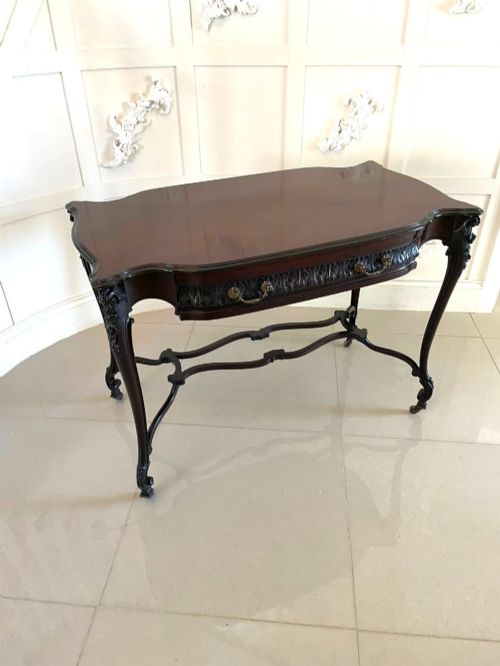
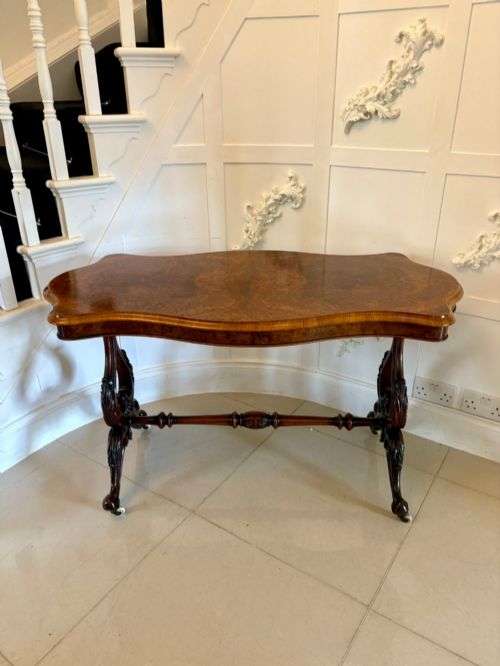
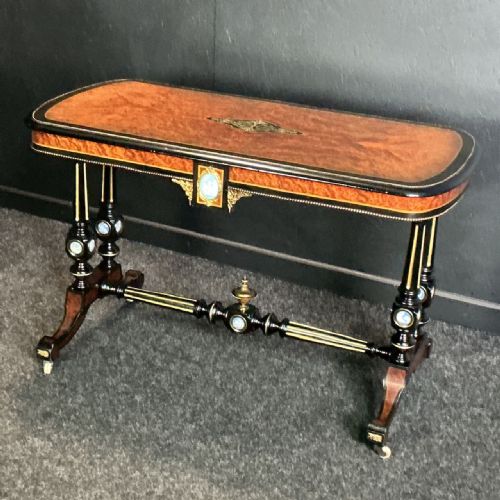
When you search for a victorian library sofa, you encounter nineteenth-century seating and large multifunctional tables originating from the Victorian, Georgian, and Edwardian periods. The selection on this page predominantly includes centre tables, writing tables, library tables, and occasional leather sofas associated with these eras.
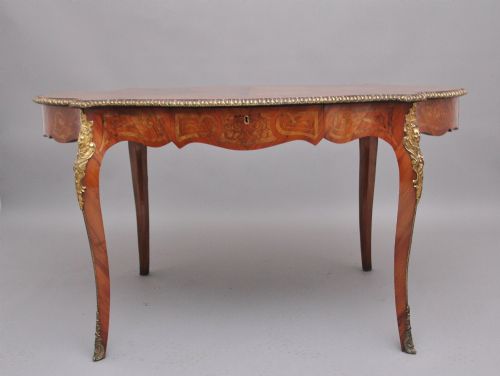
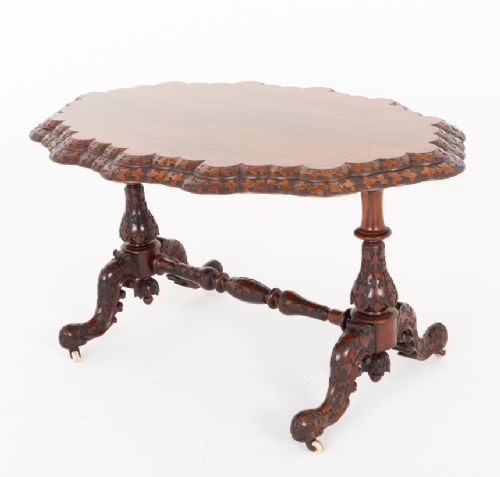
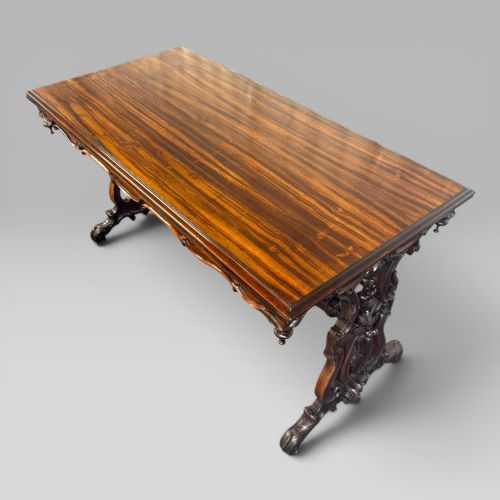
Makers and workshops of the period construct these items using robust timbers such as mahogany, walnut, rosewood, and oak. Pieces span styles from Victorian Rococo Revival and Louis XV Revival to simpler vernacular designs.
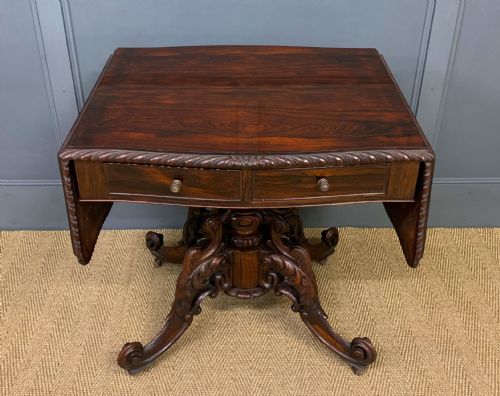
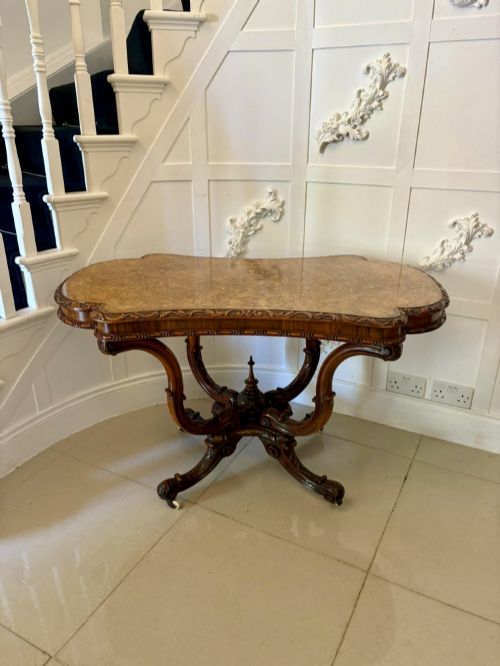
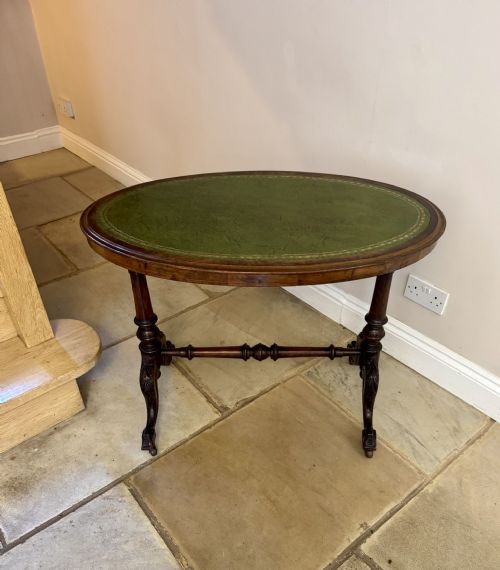
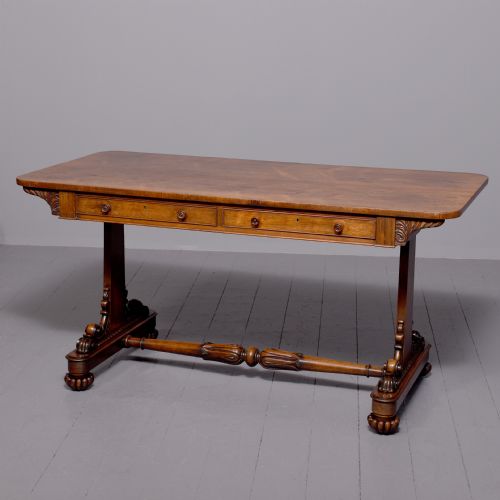
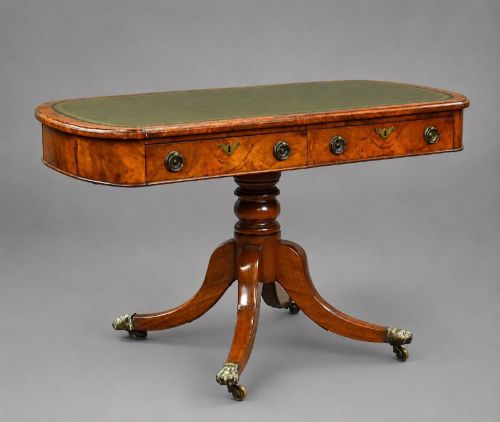
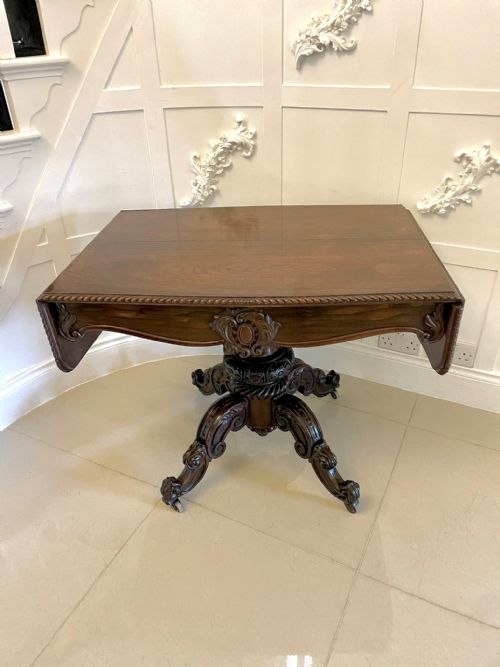
Buyers find items ranging from freestanding centre tables with burr walnut veneers to drop-leaf sofa tables and leather-topped writing desks. Each form reflects the domestic requirements of nineteenth-century reception rooms and libraries.
Materials and construction
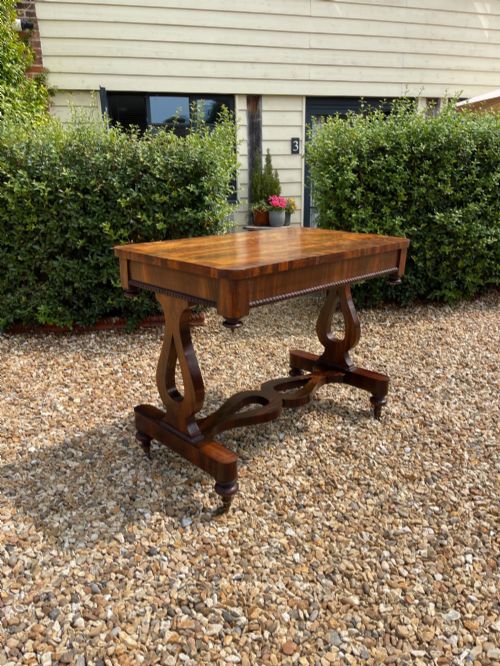
Cabinet makers utilise dense hardwoods including mahogany, walnut, and rosewood, frequently applying decorative burr walnut veneers to table tops and drawer fronts. Inlaid marquetry and brass details occasionally accent the primary timbers.
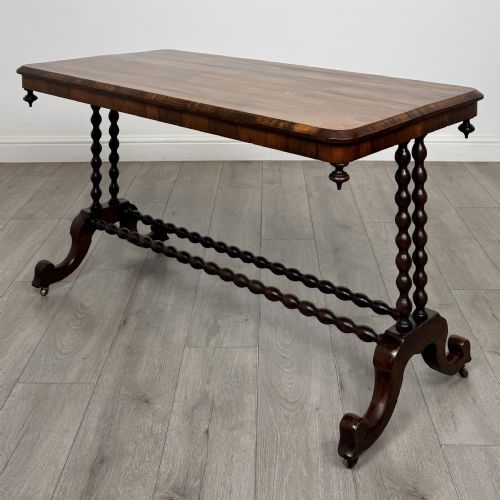
Leather inserts appear frequently on writing and library tables, providing a durable surface for daily use. Turned spindle bases, carved pedestals, and castors support the weight of these substantial nineteenth-century pieces.
Victorian Library Sofa Retail Price Guide 2026
Typical asking prices for victorian library sofa among the pieces listed under this phrase on Sellingantiques today, from the lower quarter to the upper quarter. They describe what is for sale here now, not the wider market.
The listings span the Victorian, Georgian, and Edwardian periods, featuring mahogany, walnut, rosewood, and oak.
Evaluating craftsmanship and condition
The distinction between standard items and those of exceptional quality rests upon the depth of the timber carving and the selection of veneer figures. Finely figured burr walnut and intricate rosewood grain indicate superior material selection by the maker.
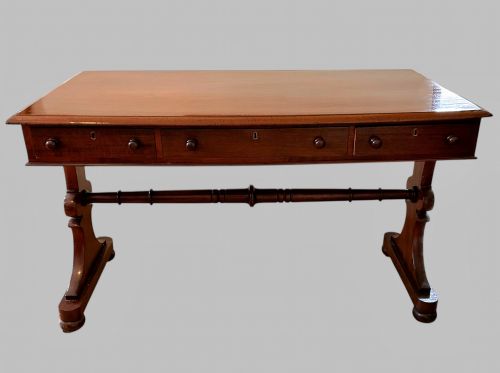
Structural integrity relies upon traditional joinery methods and the original stability of pedestals, stretchers, and castors. Tables with multiple functioning drawers and well-preserved leather writing surfaces represent the higher tier of surviving examples.
Mein of Kelso
The Victorian Library Sofa Glossary
- Centre table
- A freestanding table designed to be viewed from all sides, placed in the middle of a room rather than against a wall.
- Sofa table
- A small rectangular table traditionally placed in front of a sofa, frequently featuring drop leaves on either side.
- Burr walnut
- A prized wood grain obtained from the wart-like growths on walnut trees, creating swirling patterns used for decorative veneer.
- Marquetry
- The art of applying decorative pieces of veneer to a structure to form intricate geometrical or floral patterns.
- Bobbin turned
- A type of furniture turning shaped to resemble a series of bobbins or spools strung along a length of wood.
Victorian Library Sofa: Frequently Asked Questions
What defines a victorian library sofa?
These items encompass nineteenth-century seating and large tables designed for study spaces and reception rooms. They utilise traditional timbers and upholstery styles characteristic of the Victorian era.
Buyers select them to anchor period interiors or to provide functional surfaces and seating in historic houses.
How do I identify a library table?
Library tables typically present a finished appearance on all four sides so they can stand away from walls. They often incorporate drawers and durable top surfaces suitable for handling books and papers.
Their substantial proportions distinguish them from smaller occasional or side tables.
Which woods were used most?
Mahogany and walnut form the basis of most surviving pieces from this search. Rosewood and burr oak appear less frequently for decorative effect.
Cabinet makers also utilised zebrawood and inlaid marquetry on select high-status examples.
Where should I place these pieces?
Freestanding centre and library tables suit the middle of spacious rooms or studies where their finished backs remain visible. Sofa tables function well behind upholstery or against walls with their leaves dropped.
Leather sofas and writing desks anchor reading corners and traditional sitting rooms.