
Victorian Landscape Painting Canvas
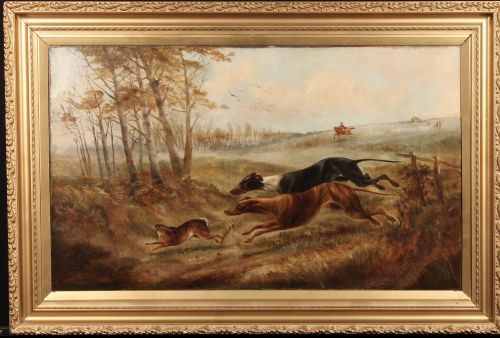
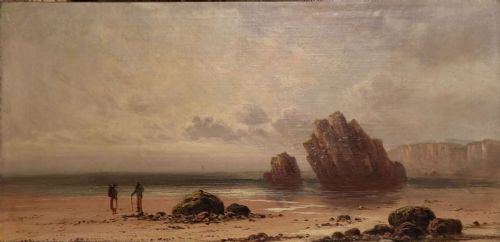
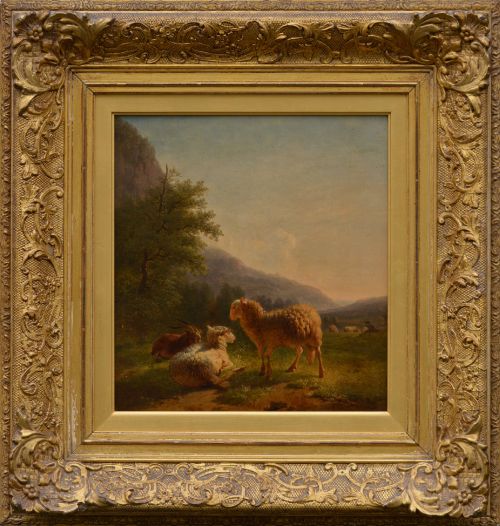
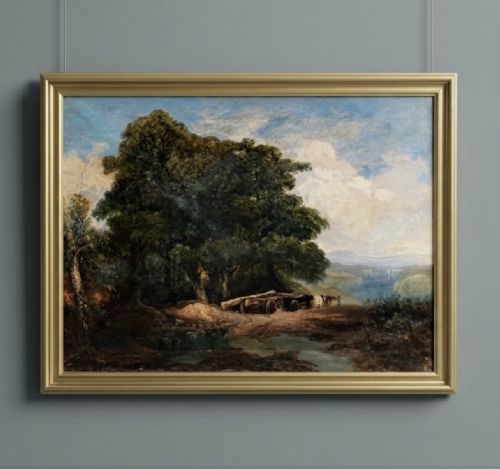
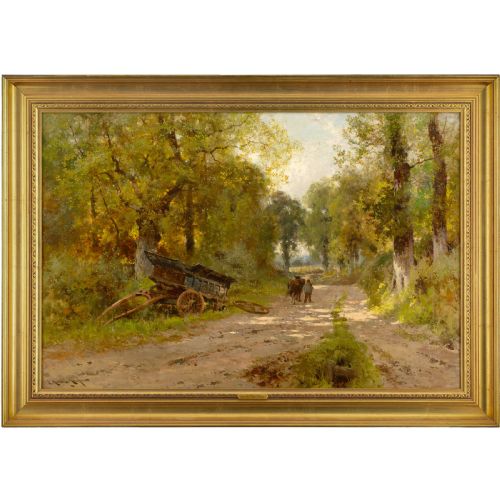
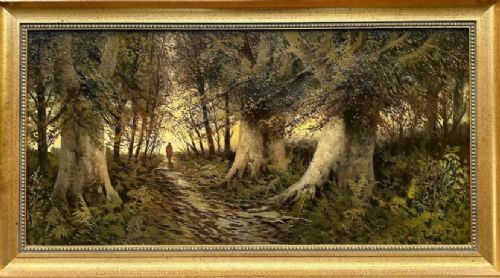
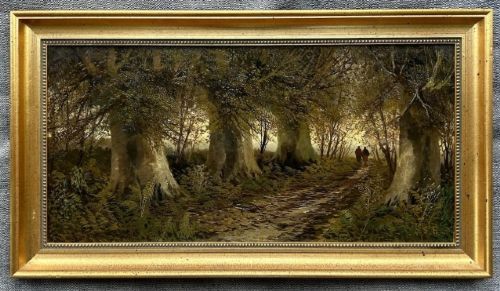
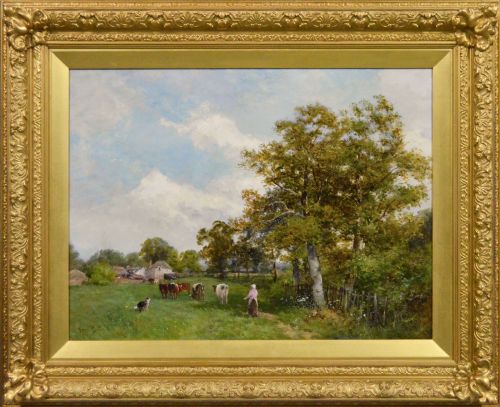
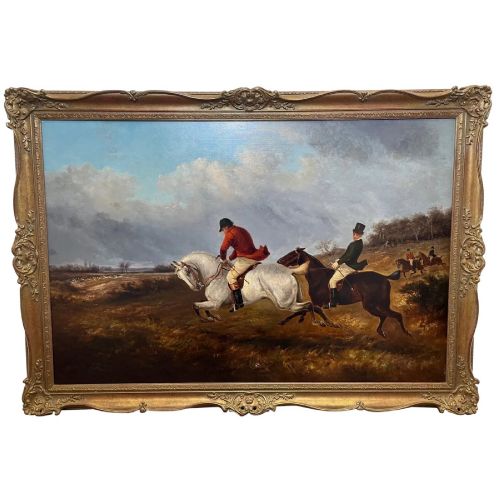
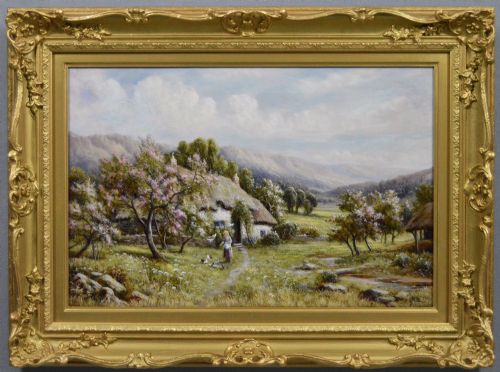
When you search for a victorian landscape painting canvas, you enter a world of oil on canvas works portraying pastoral scenes, marine views, and rural life.
Victorian Landscape Painting Canvas
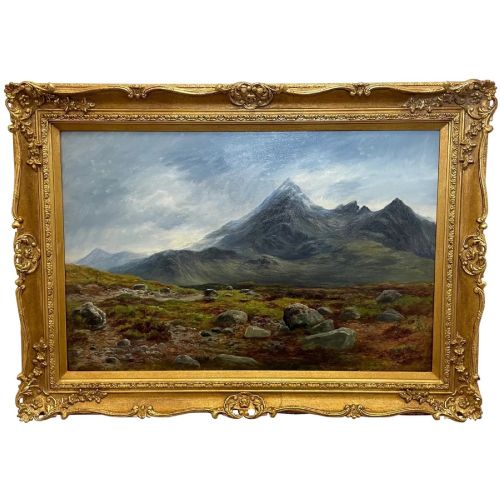
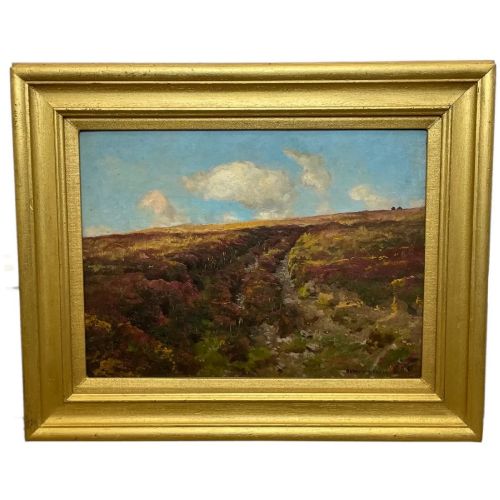
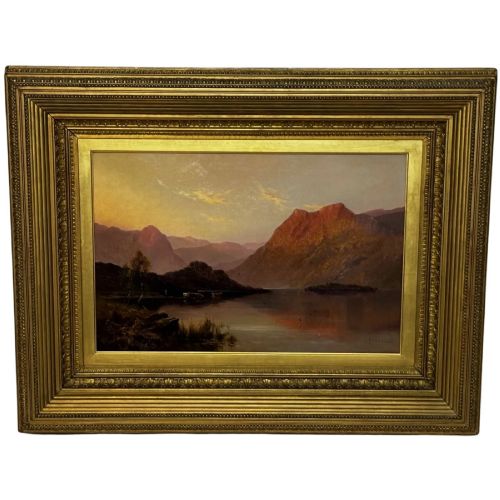
A victorian landscape painting canvas brings domestic countryside scenes, Scottish highlands, and coastal views into interior spaces through nineteenth-century fine art. The works most commonly met on this page span the mid to late nineteenth century, capturing pastoral tranquility, agricultural labour, and dramatic topography.
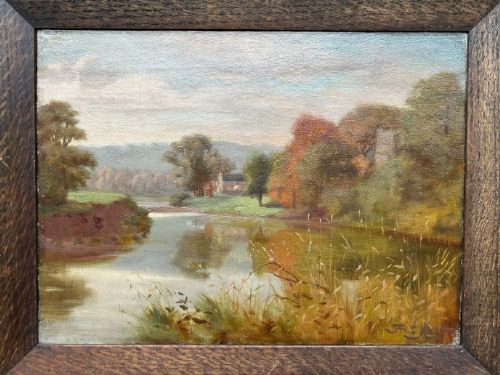
Makers and British schools of the era recorded rural life, livestock, harvest fields, and river valleys with meticulous realism or romantic atmosphere. Canvases frequently depict specific locations across Britain, from the Lake District and the Thames to Scottish glens and Welsh mountains.
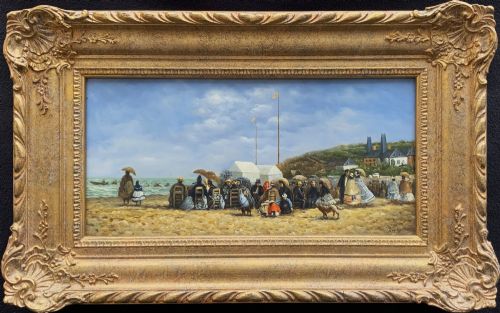
Beyond purely rural subjects, the selection extends to marine vistas, Venetian canals, and townscapes rendered in oil paint. These paintings reflect the period's fascination with nature, travel, and the changing industrial and agrarian landscape.
Materials and technique
Artists painted primarily with oil paint on stretched canvas, building up rich textures and tonal depths that defined nineteenth-century realism and romanticism. Canvases were secured to wooden stretcher frames and frequently housed within elaborate giltwood and gesso frames.
Brushwork ranged from tight, highly detailed academic precision to looser, expressive applications associated with post-impressionist influences and continental sketching traditions. The interplay of oil pigments on woven canvas allowed painters to manipulate light, shadow, and atmospheric weather effects across woodlands, sunsets, and marine waters.
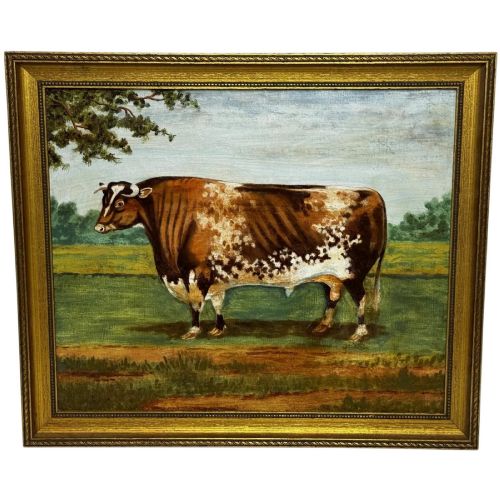
Several canvas scenes capture shorthorn bulls and pried livestock standing patiently while artists recorded their substantial bulk.
Judging quality
Quality in a victorian landscape painting canvas rests upon the artist's command of light, anatomical precision in figures and animals, and compositional balance. Works by documented, exhibiting painters command attention through confident brushwork and nuanced colour palettes.
The preservation of the original canvas surface, stability of the oil paint layer, and the integrity of the period giltwood frame significantly influence the standing of a piece. Finer examples retain their original mounting and surface tension without extensive intervention.
Eugène Verboeckhoven·Richard Sebastian Bond·William Beattie-Brown·Frederick Marriott·Arthur Wardle·John Horace Hooper·Alfred Fontville de Breanski Jr·Thomas W Lascelles·David Bates·Thomas Smythe·Alfred Pollentine·Walter Heath Williams·Francis Moltino·Bernard Benedict Hemy·Thomas Creswick·Thomas Sidney Cooper·Richard Redgrave·John Sargent Noble·Henry H Parker·Robert Watson·Charles Hunt·John Wilson Carmichael·Edwin Henry Landseer·Albert Rieger·Abraham Cooper
The Victorian Landscape Painting Canvas Glossary
- Gesso
- A plaster-like mixture applied to wooden frames before gilding, providing a smooth base for intricate moulded ornamentation.
- Giltwood
- Wood carved and coated with gold leaf or metallic powder, commonly forming the decorative frames of nineteenth-century artworks.
- Realism
- An artistic movement focusing on everyday subjects and unidealised nature, prominent in nineteenth-century British painting.
- Romanticism
- An artistic style prioritising emotion, awe of nature, and dramatic atmospheric effects over strict classical proportion.
Victorian Landscape Painting Canvas: Frequently Asked Questions
What subjects appear most often?
Canvases typically depict British countryside scenes, river valleys, highland cattle, and coastal marine views. Agricultural tasks, harvest fields, and pastoral livestock also feature prominently.
Purchasers will also encounter Venetian canals and townscapes alongside topographical studies from artists travelling across Europe and the British Isles.
How should these paintings be displayed?
These works suit traditional and contemporary interiors alike, anchored by their original giltwood frames which complement the oil paintings. They require placement away from direct sunlight and excessive humidity to protect the canvas and oil pigments.
Secure wall fixings suited to the weight of the wooden frames ensure safe exhibition in living spaces and hallways.
How are periods identified?
Dating relies on stylistic markers, artist signatures, biographical records, and framing techniques characteristic of the nineteenth century. Details such as canvas preparation and stretcher construction offer further clues to the exact era of production.
Exhibition labels, inscriptions on the reverse, and recorded artist working dates help narrow the creation period.
Did artists paint en plein air?
Many nineteenth-century painters made preliminary sketches and charcoal drawings outdoors to capture natural light and topography. Finished compositions were subsequently developed in the studio using these observational studies.
Some artists completed entire works on location, particularly when recording specific coastal weather or mountainous terrain.