


Victorian Lamp Shade
A victorian lamp shade brings soft, diffused light and rich colour to a room, cast through patterned glass or heavy fabric.
Victorian Lamp Shade
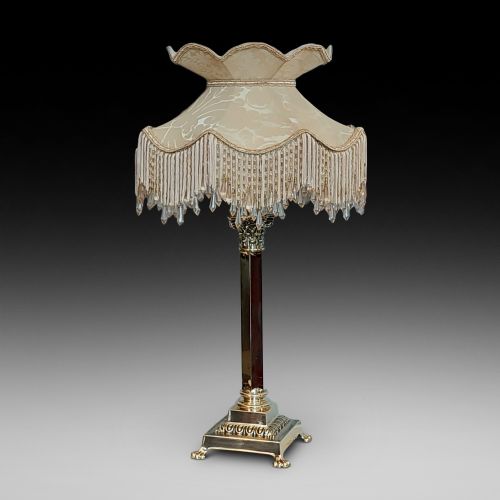
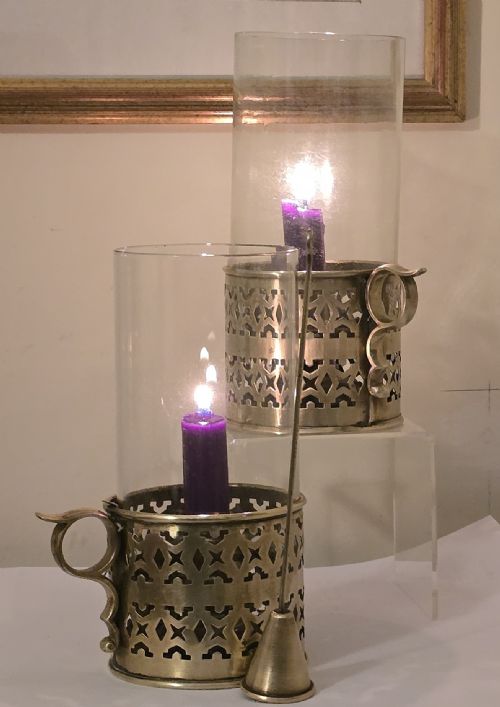
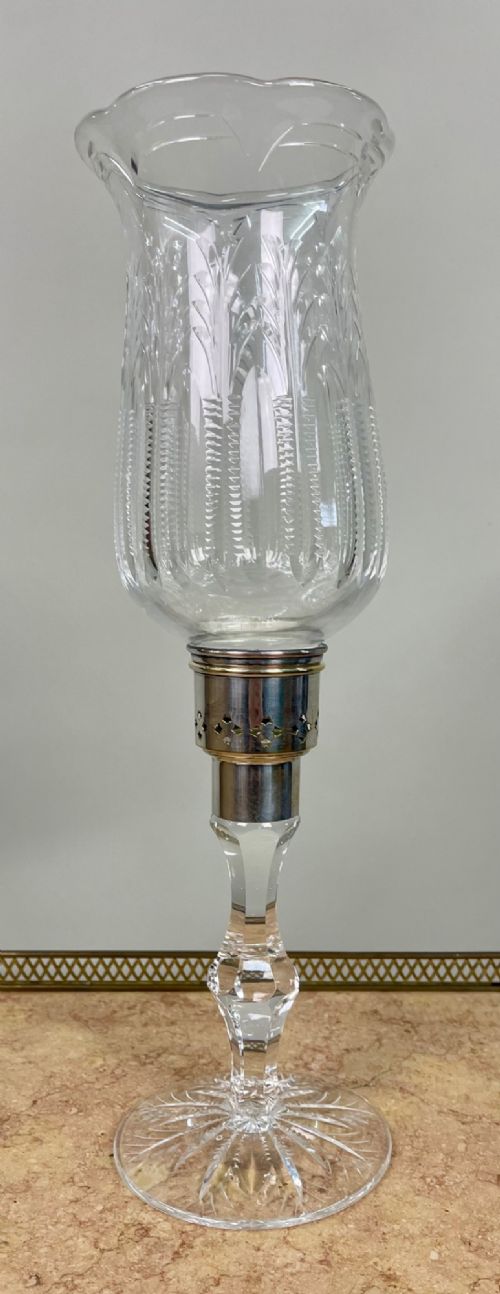
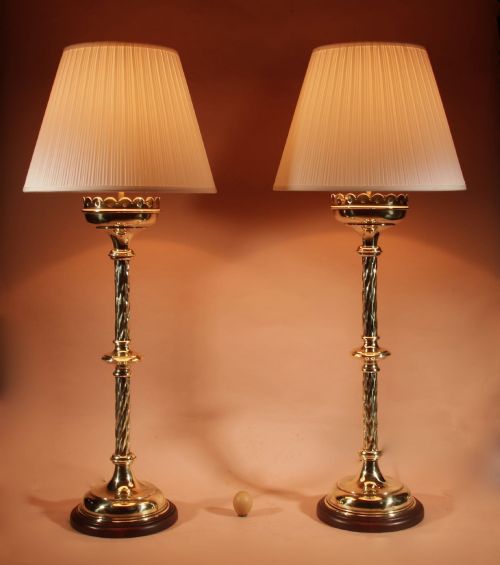
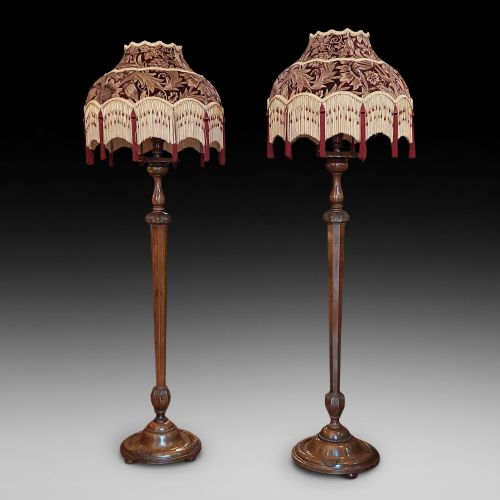
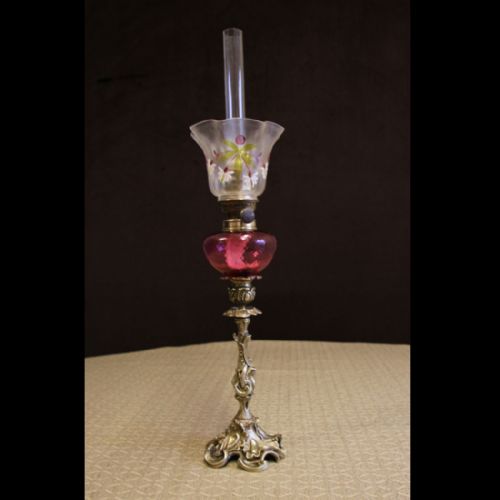
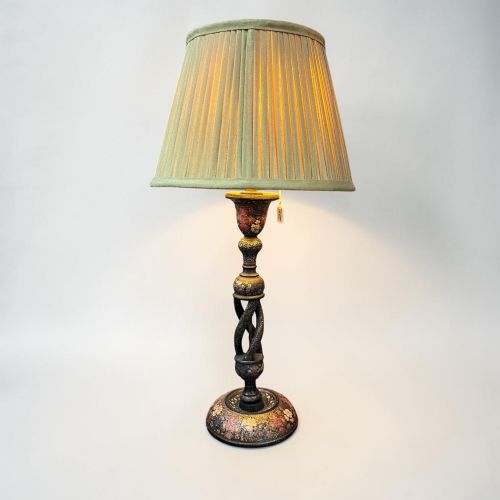
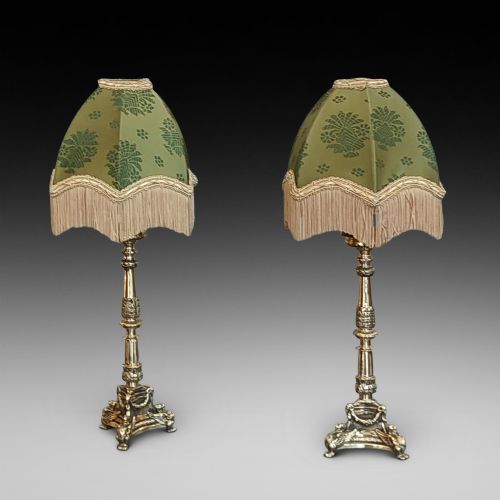
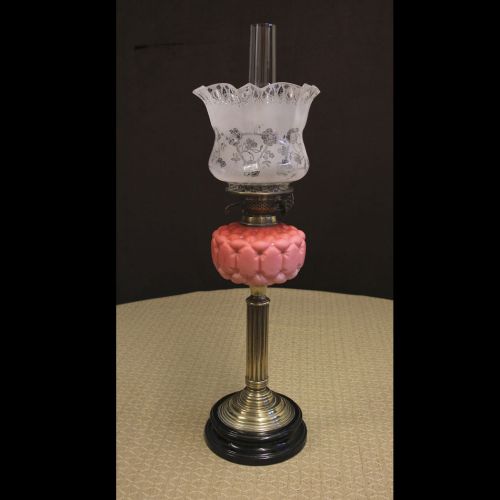
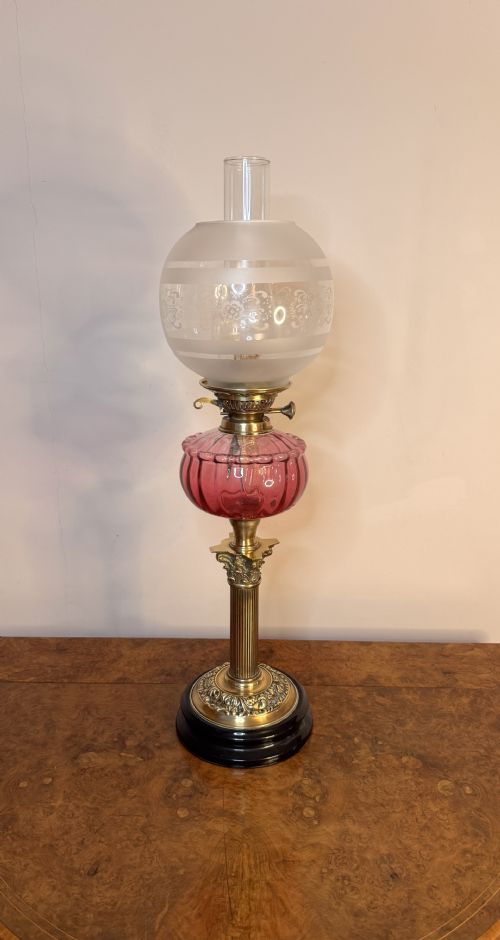
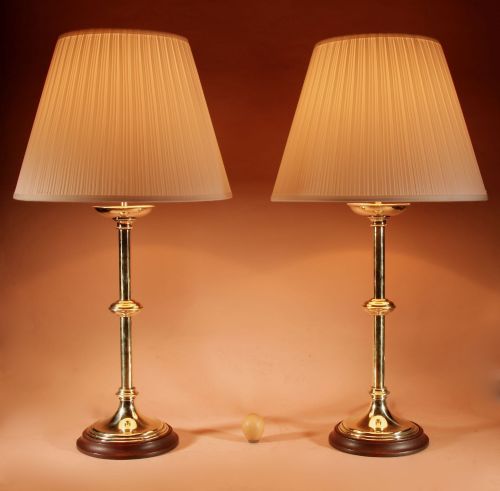
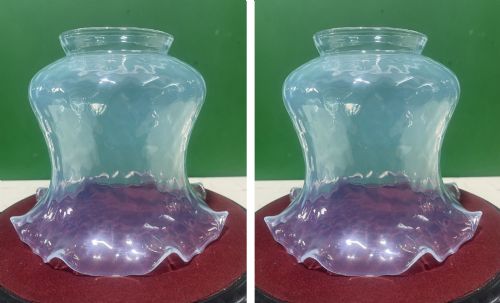
When you search for a victorian lamp shade, you encounter a variety of period lighting components designed to temper the bright glare of oil or early electric bulbs. These pieces typically originate from the nineteenth century and the early twentieth century, spanning periods such as Victorian, Edwardian, and Art Nouveau. The selections on this page most frequently include glass shades paired with oil lamps, floor lamps, and table lamps.
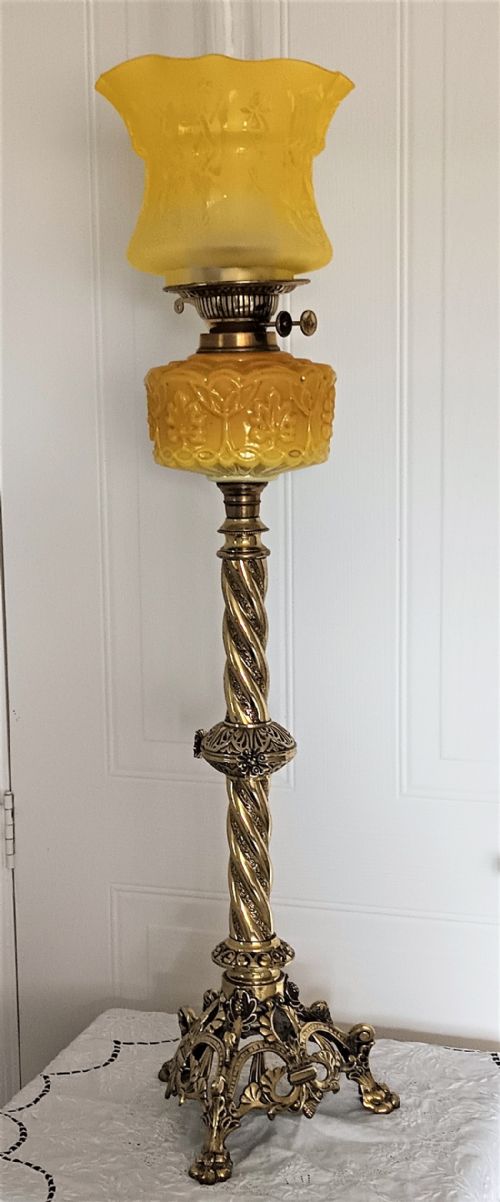
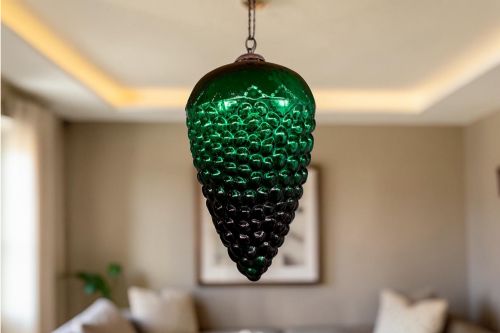
The forms range widely from simple tulip shapes to leaded glass lanterns and heavy ceramic bases fitted with brass columns. You will also find specialised items such as billiard lights, hanging lanterns, and standard lamps incorporating brass and ceramic materials. Many examples survive as part of complete oil lamps featuring cut glass fonts and Corinthian columns, whilst others appear as individual shades ready for fitting.
How they were made
Makers utilised brass and cast metals to form the structural mounts, columns, and burners that supported the delicate glass reservoirs and shades. These metal components often featured elaborate Corinthian or ionic detailing, cast or turned with precision.
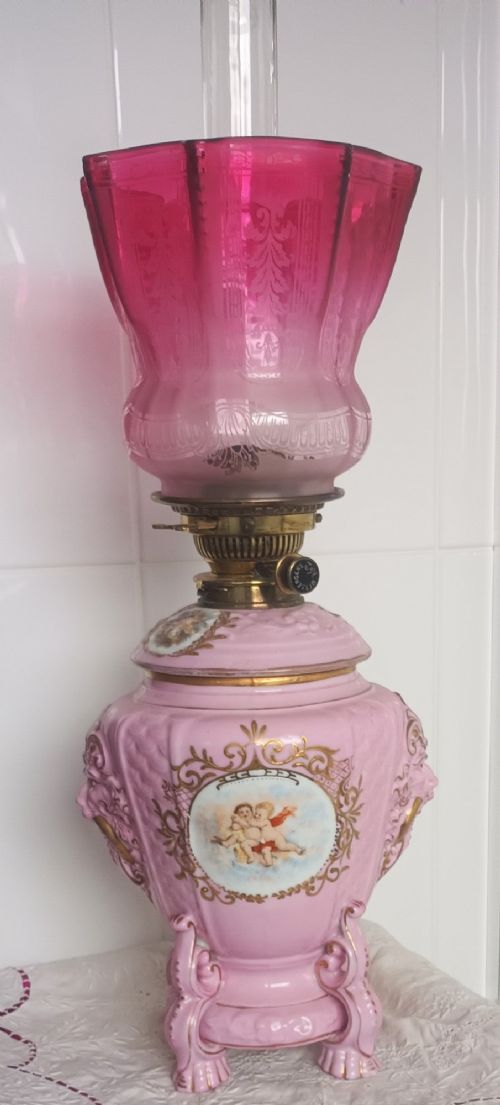
Glass production played a central role, employing techniques such as hand-blowing, acid-etching, and cutting to create cranberry glass, satin glass, opaline, and frosted finishes. Workshops also shaped leaded glass panels and hand-painted floral or winter scenes directly onto the surface.
Victorian Lamp Shade Retail Price Guide 2026
Typical asking prices for victorian lamp shade among the pieces listed under this phrase on Sellingantiques today, from the lower quarter to the upper quarter. They describe what is for sale here now, not the wider market.
Listings feature brass, glass, and ceramic materials across periods from the 1860s through to the Edwardian era.
What varies in quality
The distinction between standard commercial output and superior examples lies in the weight of the brass mountings and the depth of the glass colour. Heavier cast columns and richer cranberry or vaseline glass denote better craftsmanship.
Detailing in the surface decoration separates fine pieces from plain ones, visible in crisp hand-etching on tulip shades and precise leaded joints on lanterns. The integration of matching components, such as original burners paired with correct fonts, also dictates the desirability of the piece.
Royal Doulton Slaters Stoneware·Hinks
The Victorian Lamp Shade Glossary
- Cranberry glass
- A rich red-pink transparent glass created by adding gold chloride to the molten batch. It appears frequently in nineteenth-century oil lamp shades and fonts.
- Duplex burner
- A double-wick burner mechanism popular in the Victorian era to produce a brighter flame. Lamps utilising this system often require specific wider shade fitters.
- Corinthian column
- A classical architectural column style featuring ornate acanthus leaves on the capital. Lamp makers frequently adopted this design for heavy brass table and standard lamp bases.
- Opaline glass
- An opaque, milky-white glass that diffuses light softly. It was often hand-painted with botanical or scenic motifs for hanging and table lamp shades.
- Vaseline glass
- A pale yellow-green glass containing uranium dioxide, which glows brightly under ultraviolet light. It is commonly found in late Victorian Gothic revival and decorative lighting.
Victorian Lamp Shade: Frequently Asked Questions
How do I identify a period shade?
Examine the weight and thickness of the glass, noting hand-blown pontil marks and traditional etching styles typical of nineteenth-century production. Period brass mounts usually display heavier casting quality and patination compared to modern reproductions.
Check the fitter rim diameter, as older shades often feature hand-finished edges that differ slightly from standardised modern sizes. Matching the glass type, such as cranberry or satin glass, to known nineteenth-century palettes helps confirm authenticity.
Can I use these shades on modern lamps?
Many period shades fit contemporary lamp hardware provided the fitter gallery matches the diameter of the shade opening. Care must be taken with fragile glass types and antique brass galleries during installation.
Consulting a professional electrician ensures that converted oil lamps or older fixtures meet current safety standards while retaining their original decorative components.
What maintenance do glass shades require?
Clean glass shades gently using lukewarm water and mild soap, avoiding harsh chemical cleaners that can damage painted or etched surfaces. Hand-blown and cranberry glass requires careful handling to prevent chipping along the rims.
Inspect brass galleries and collars periodically for stability, dusting them with a soft dry cloth to preserve the natural metal finish.
How were these lamps originally used?
These lamps provided essential indoor illumination in homes and public buildings before widespread electricity, utilising paraffin or oil to fuel double or single burners. Floor and table models lit sitting rooms and parlours, whilst hanging lights illuminated billiard rooms and hallways.
The coloured shades served to soften the harsh white glare of the flame while adding decorative warmth to the interior scheme.