


Victorian Kitchenware
Victorian kitchenware brings utility into the display cabinet, offering heavy copper pans, earthenware jelly moulds, and brass skimmers shaped by nineteenth-century work.
Victorian Kitchenware
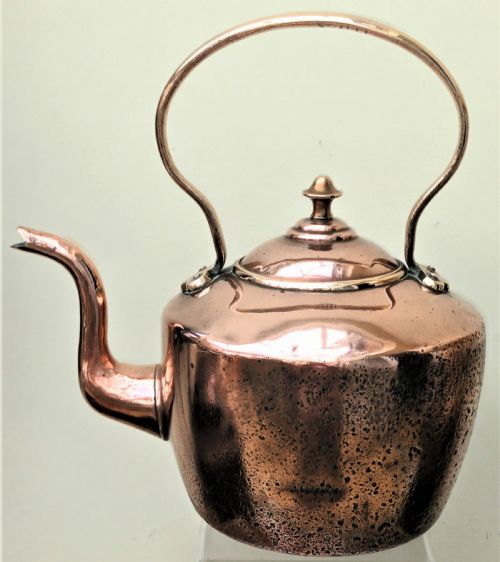
When you search for victorian kitchenware, you encounter sturdy utilitarian objects made for nineteenth-century cooking, baking, and food preparation. The items span various forms from domestic spaces, including cookware, kettles, kitchenalia, and kitchen collectables.
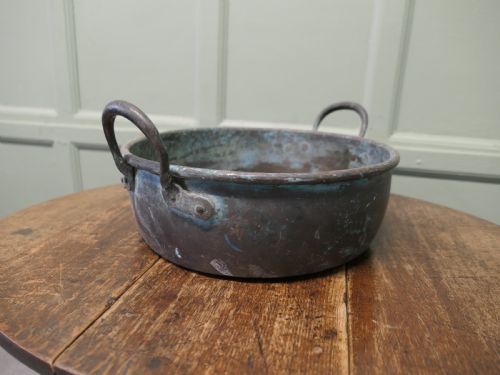
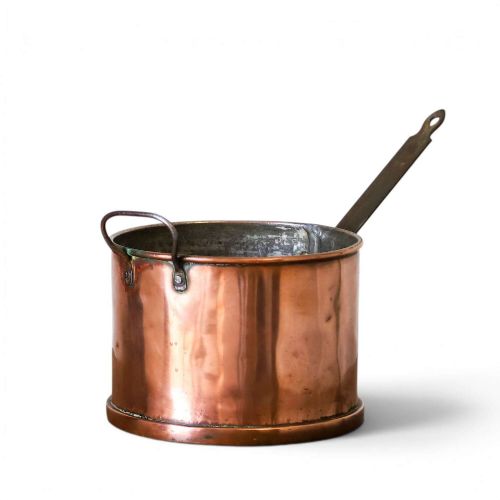
You are most likely to meet copper measures, jelly moulds, preserving pans, and saucepans on this page. These pieces originate from Victorian and nineteenth-century periods, alongside rustic farmhouse and country styles.
Materials and construction methods
Makers utilised heavy gauge copper, brass, tin, iron, cast iron, and wood to withstand daily kitchen labour. Many copper items show hand-beaten surfaces, while earthenware receives a cream glaze for domestic utility.
Treen objects like pestles, mortars, and egg cup stands reveal turned walnut and other dense woods. Metal vessels combine copper bodies with brass handles and rivets, constructed to endure intense hearth heat.
Victorian Kitchenware Retail Price Guide 2026
Typical asking prices for victorian kitchenware among the pieces listed under this phrase on Sellingantiques today, from the lower quarter to the upper quarter. They describe what is for sale here now, not the wider market.
Listings feature nineteenth-century materials including copper, brass, tin, iron, wood, earthenware, and cast iron.
Assessing the grade and execution
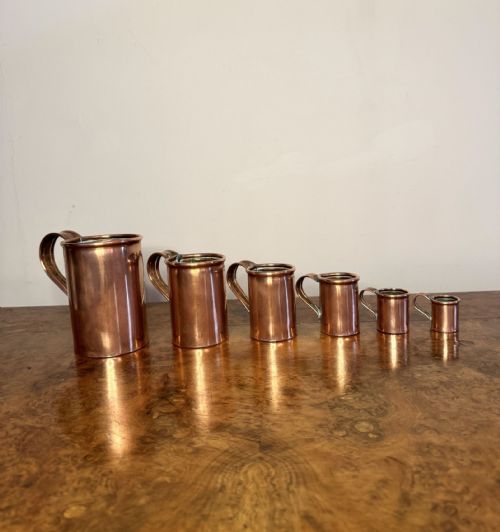
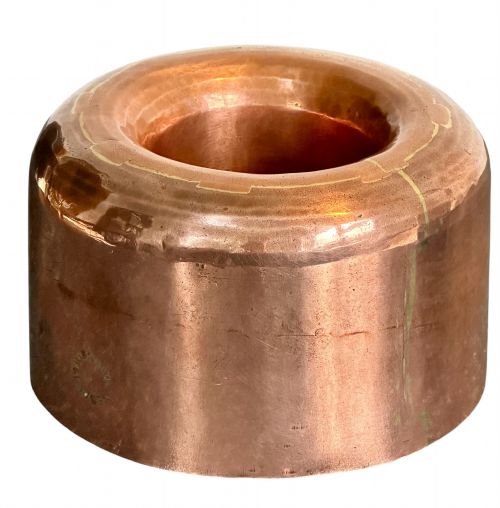
The standard of a piece depends upon the thickness of the metal gauge and the integrity of the original construction. Heavy copper preserving pans and robust sets of measures represent superior domestic utility compared to lighter alternatives.
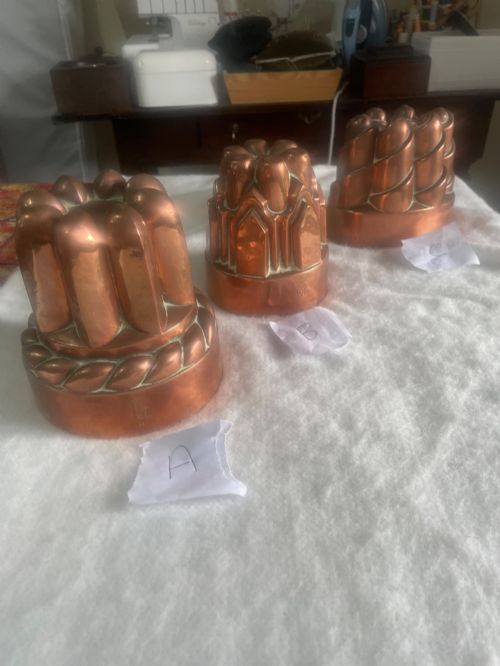
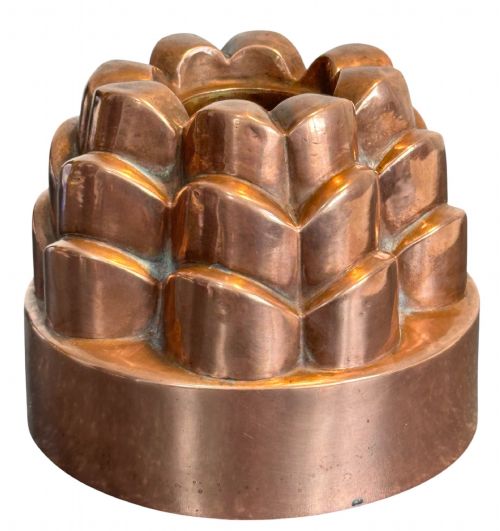
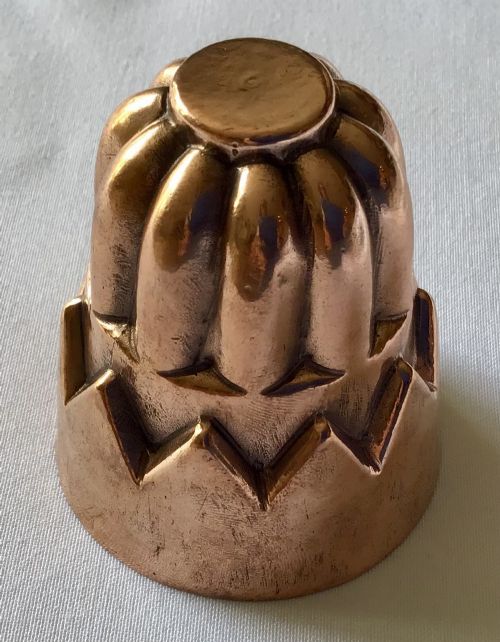
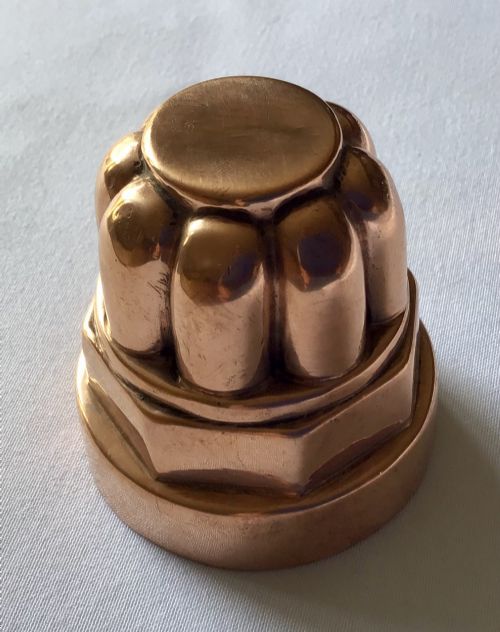
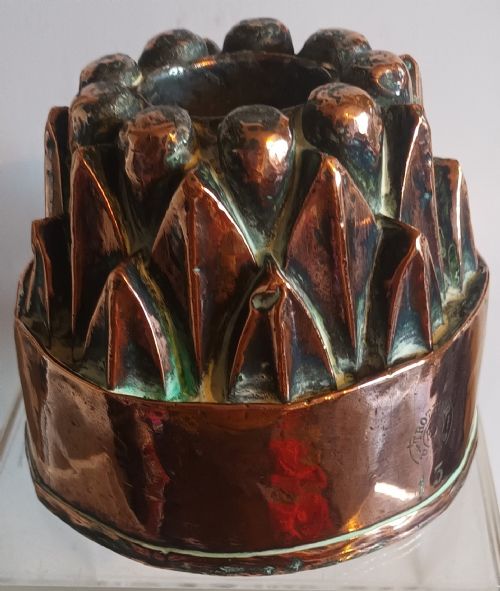
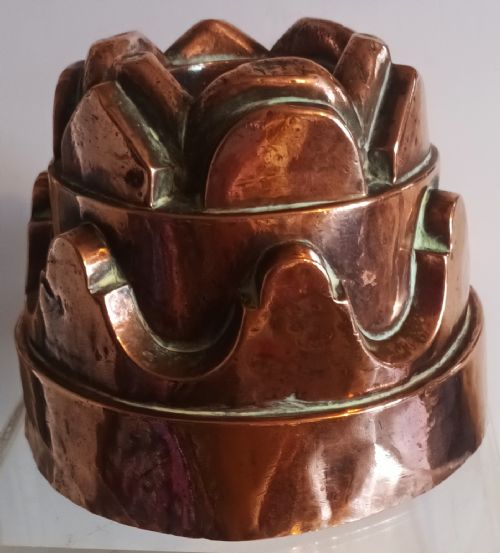
Moulds with intricate castle tops or detailed animal shapes, such as the lion jelly mould, require higher skill than plain vessels. Complete matching sets and graduated groups retain greater cohesion than isolated single items.
Hodges And Sons·Trottier
The Victorian Kitchenware Glossary
- Kitchenalia
- Domestic utensils and equipment collected for display or historical interest. These functional objects reflect nineteenth-century culinary life.
- Treen
- Small handmade wooden household objects. Items range from turned egg cup stands to pestles and mortars.
- Ale muller
- A metal vessel used for heating beverages by holding it in hot coals. Examples typically appear in copper.
- Flatback
- A decorative ceramic or metal object designed with a flat rear to sit flush against a wall. Toleware flour bins often utilise this format.
- Gauge
- The thickness of sheet metal used in construction. Heavy gauge metal indicates a more substantial and durable vessel.
Victorian Kitchenware: Frequently Asked Questions
What items count as victorian kitchenware?
The category includes utilitarian items used for cooking, baking, and food preparation in nineteenth-century homes. Common survivals range from copper preserving pans and saucepans to brass skimmers and ceramic jelly moulds.
You also encounter specialised items like ale mullers, nutmeg graters, flour bins, and treen egg cup stands. These pieces reflect both country farmhouse and formal domestic preparation methods.
How were copper jelly moulds used?
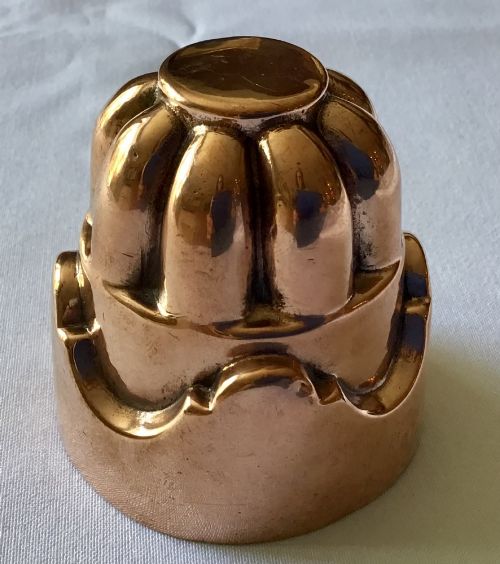
Cooks placed liquid mixtures containing gelatin or starch into the copper moulds and left them to set in cool pantries. The metal transferred temperature efficiently to chill the contents before turning them out onto a dish.
Complex shapes like castle tops or animal designs shaped the food into decorative centrepieces for dining tables. The metal stood up to repeated filling and unmoulding.
How do I distinguish brass from copper pieces?
Copper exhibits a distinct warm reddish-orange hue, whereas brass displays a brighter, more golden-yellow metallic tone. Metal composition affects both the colour and the specific weight of the pan or skimmer.
Vessels often combine both metals, using copper for the main body and brass for handles, rims, or rivets to ensure structural strength during hearth cooking.
Where should I display these pieces?
Heavy copper pans and brass skimmers suit open shelving or wall hanging where their reflective metal surfaces catch the light. Smaller items like jelly moulds or treen egg cup stands fit well inside glazed cabinets or on dresser tops.
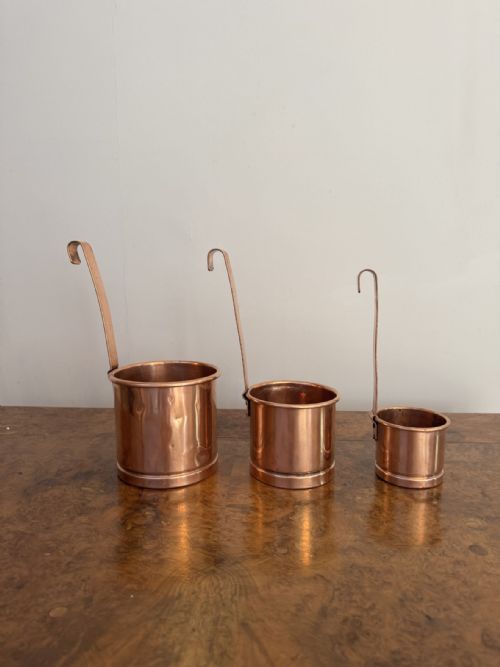
Grouping graduated sets of measures or pans together creates a visual display that highlights their nineteenth-century forms and varied scales.