



Victorian Kitchen Decor
Victorian kitchen decor comprises authentic utility items and domestic utensils that bring warmth and genuine nineteenth-century character to modern homes.
Victorian Kitchen Decor
Victorian kitchen decor encompasses practical utensils and culinary items from the nineteenth century that once served working households and dairies. Buyers exploring victorian kitchen decor frequently encounter utilitarian pieces shaped by daily domestic labour rather than ornamental display.
Domestic equipment from this era also extends to oil paintings depicting food, such as fruit studies by Vincent Clare. Such works complement the physical kitchenware by capturing the visual texture of nineteenth-century provisions.
How they were made
Metals such as copper, brass, iron, and tin form the structural backbone of these utilitarian kitchen objects. Artisans hammered, soldered, and cast these durable materials to withstand intense daily use in busy sculleries and pantries.
Earthenware and ceramic pieces like biscuit barrels and jelly moulds utilise moulded clay bodies, often finished with detailed relief patterns to impress shapes into food. Paint on tinplate and oil on canvas record the decorative surfaces applied to storage vessels and framed artwork.
Victorian Kitchen Decor Retail Price Guide 2026
Typical asking prices for victorian kitchen decor among the pieces listed under this phrase on Sellingantiques today, from the lower quarter to the upper quarter. They describe what is for sale here now, not the wider market.
A wild boar mould stands ready to turn dinner into a startling architectural event.
What varies in quality
The standard of these items rests upon the crispness of detail in moulded pieces and the integrity of construction in joined metalware. Heavy-gauge copper and sharply defined earthenware patterns distinguish finer culinary moulds from simpler utilitarian wares.
Maker marks and stamped provenance, such as named dairies or specific workshops, elevate individual pieces above anonymous workshop production. Preservation of original surface finishes and patination further separates exceptional survivals from heavily altered examples.
Welfords Surrey·Vincent Clare·Trottier·Wedgwood
The Victorian Kitchen Decor Glossary
- Toleware
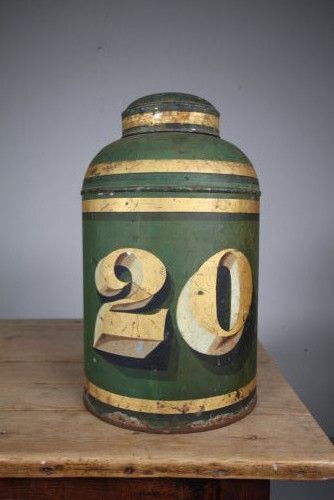
- Painted or lacquered metalware, typically tinplate, decorated with motifs or plain colour finishes. This technique was widely used for durable storage canisters in nineteenth-century kitchens.
- Culinary mould
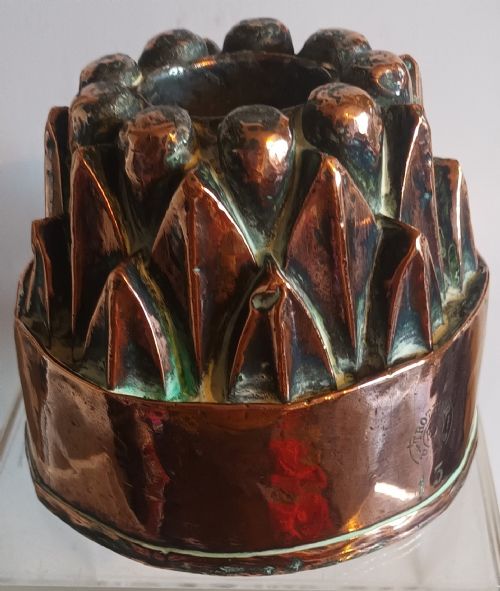
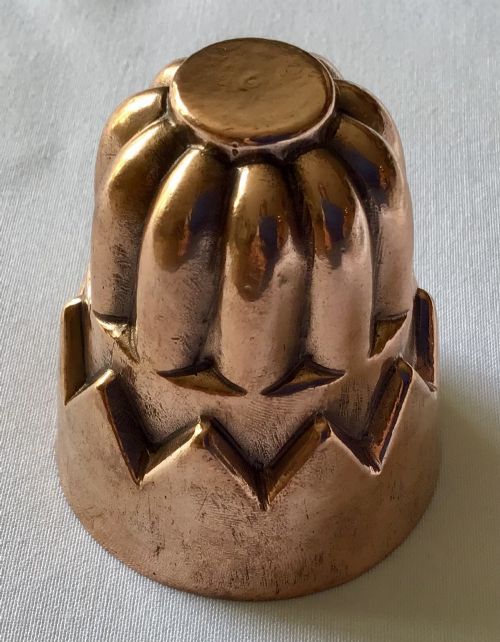
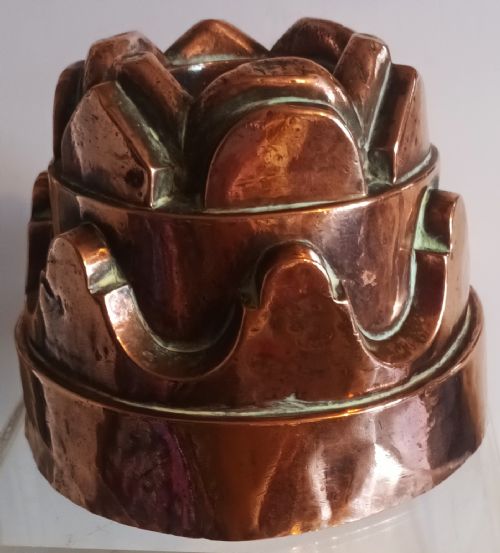
- A rigid vessel shaped from copper or earthenware designed to give decorative form to jellies, puddings, or cakes. These objects display intricate interior designs meant to transfer onto food.
- Cream can
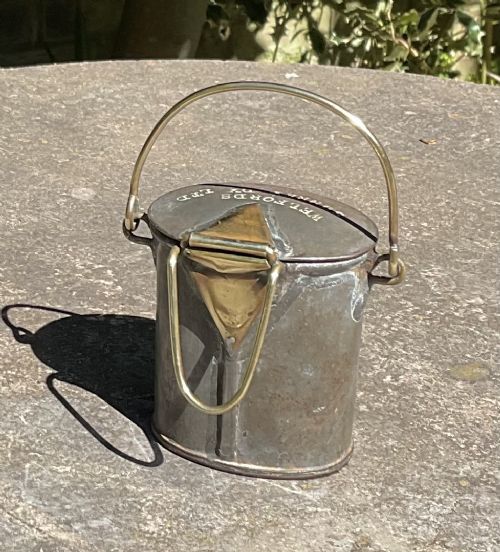
- A cylindrical metal container utilised for the collection and transport of dairy produce. Examples often bear stamped lettering indicating specific regional dairies.
- Cream skimmer
- A flat, perforated utensil fashioned from brass or other metals used to lift cream from the surface of resting milk. They represent the specialised hand tools of the nineteenth-century dairy.
- Jasper ware
- A fine-grained, unglazed stoneware developed with contrasting relief ornaments applied to the surface. It is frequently associated with decorative biscuit barrels from the late nineteenth century.
Victorian Kitchen Decor: Frequently Asked Questions
What is victorian kitchen decor?
Victorian kitchen decor consists of genuine nineteenth-century utensils, storage vessels, and culinary equipment used in historic households and dairies.
These items range from heavy copper jelly moulds and brass cream skimmers to earthenware biscuit barrels and painted tin canisters.
How were copper moulds used?
Copper moulds were filled with gelatinous mixtures, custards, or savory aspics before being chilled to set the contents into distinct shapes.
The high thermal conductivity of copper allowed the contents to cool efficiently in ice wells or cold larders.
How do I date these items?
Dating relies on material composition, manufacturing techniques, and occasional maker marks or stamped dairy names associated with the piece.
Stylistic indicators such as Neoclassical motifs or mid-nineteenth-century earthenware characteristics also help establish the period.
Can I use these items daily?
Many metal and ceramic pieces remain robust enough for gentle contemporary use, though collectors often display them as interior decor.
Careful hand washing preserves the historic patination and fragile surfaces of antique copper and painted tin.