




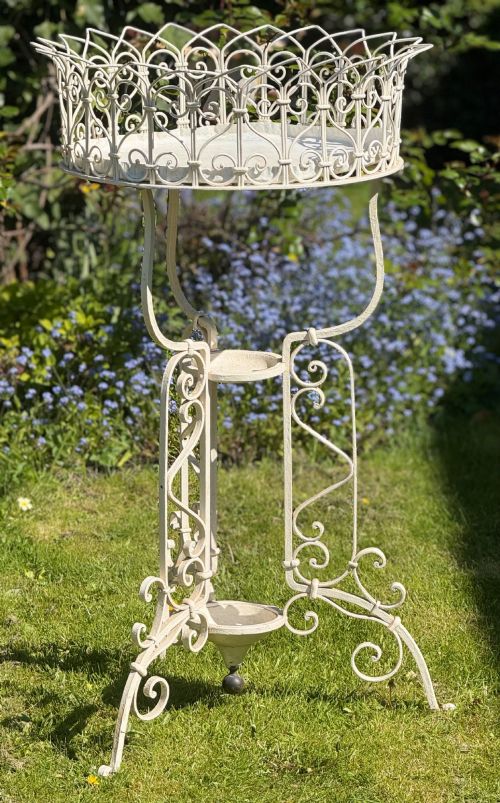


Victorian Jardiniere Holder
A victorian jardiniere holder brings indoor greenery and decorative display together with the robust craftsmanship of the nineteenth century.
Victorian Jardiniere Holder
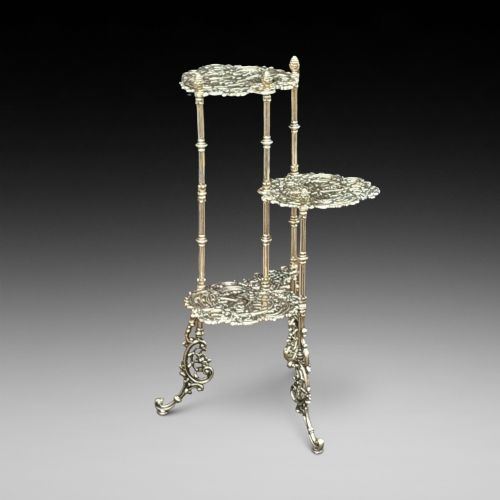
A victorian jardiniere holder serves as a decorative vessel or elevated stand designed to display potted plants within nineteenth-century parlours, conservatories and drawing rooms. The selection here spans freestanding tiered stands, floor-standing vessels and table pieces intended to elevate foliage above floor level.
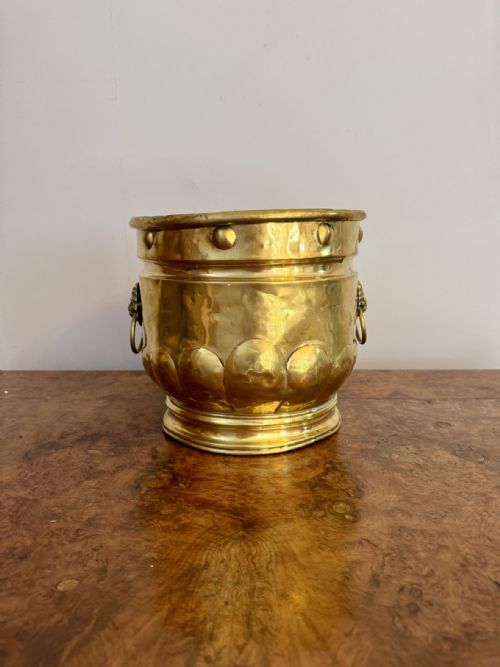
Most examples date from the Victorian and Edwardian periods, utilising utilitarian metals and ceramics shaped for domestic horticulture. Forms range from heavy brass and copper vessels adorned with repoussé work to wirework plant stands and majolica ceramics.
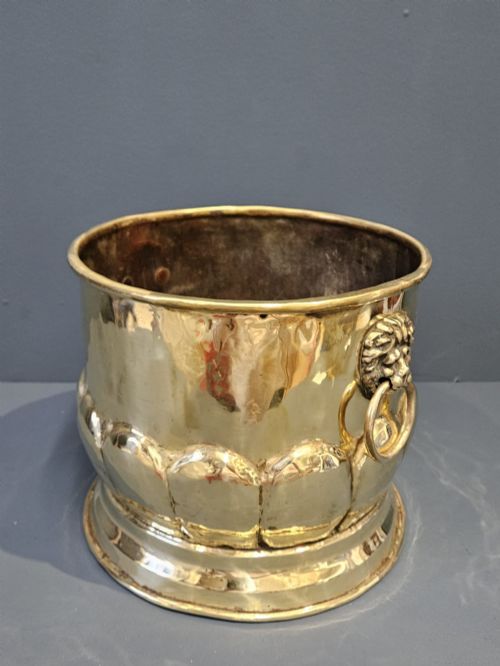
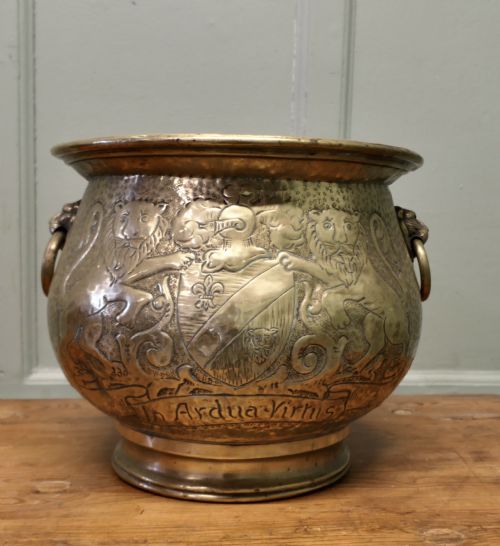
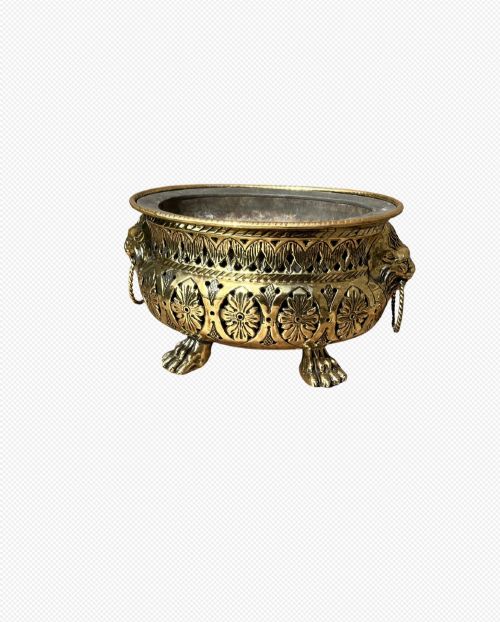
Makers and manufacturers produced these pieces in styles that reflect nineteenth-century revivals, including Gothic Revival, Arts and Crafts, Art Nouveau and French Rococo. Buyers will encounter both simple utilitarian planters and elaborate stands featuring lion mask handles, crests and integrated pedestals.
How they were made
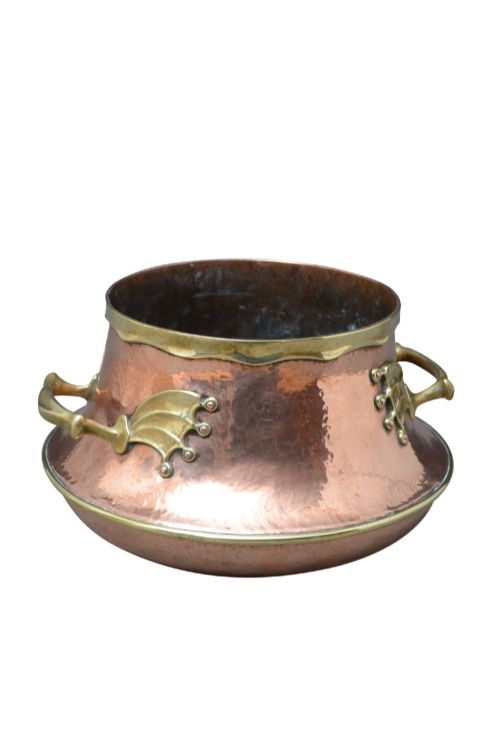
Metalwork dominates the construction of these pieces, utilising brass, copper, wrought iron and wirework formed through hammering, pressing, piercing and repoussé techniques. Artisans worked sheet metal into cylindrical and oval vessels, sometimes adding cast brass handles, lions masks or animal heads for structural and decorative effect.
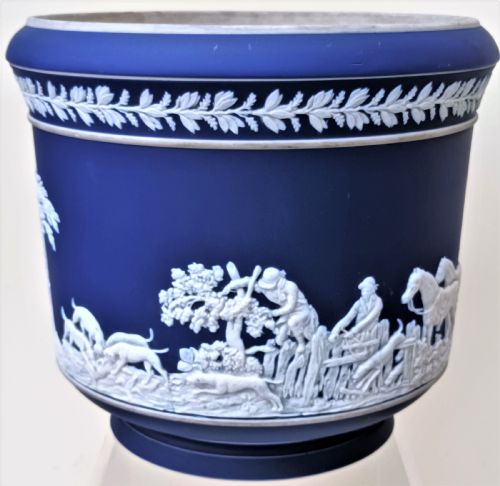
Ceramic and stoneware versions employ heavy earthenware bodies finished with majolica, jasper ware or lustre glazes, frequently paired with metal or tiled stands. Woodwork also appears in select mahogany and ebonised stands, occasionally incorporating marble inserts to resist moisture from potted plants.
Victorian Jardiniere Holder Retail Price Guide 2026
Typical asking prices for victorian jardiniere holder among the pieces listed under this phrase on Sellingantiques today, from the lower quarter to the upper quarter. They describe what is for sale here now, not the wider market.
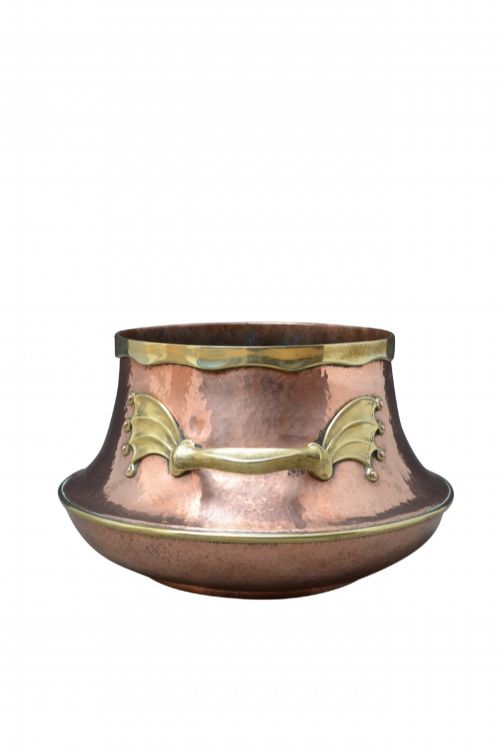
Several robust copper log bins double effortlessly as grand plant holders when pressed into conservatory service.
What varies in quality
The distinction between standard production and superior craftsmanship lies in the depth and crispness of surface ornamentation, such as hand-hammered detailing versus mechanical pressing. Heavier gauge metals and substantial ceramic bodies denote higher manufacturing standards that ensure stability under heavy soil and plant loads.
Design complexity and structural integrity further differentiate the range, evident in integrated multi-tiered stands, finely pierced galleries and robust joining methods. Pieces bearing identifiable factory marks or distinct artistic styles like Arts and Crafts or Art Nouveau demonstrate higher design ambition.
William Adams and Sons·Royal Doulton·Clement Massier
The Victorian Jardiniere Holder Glossary
- Jardiniere
- A decorative pot or container, typically ceramic or metal, used for holding flowering or foliage plants.
- Cachepot
- An outer pot used to conceal a less decorative flowerpot, possessing no drainage hole in the base.
- Repoussé
- A metalworking technique where the metal is hammered from the reverse side to create a raised design in relief.
- Majolica
- A type of earthenware decorated with opaque coloured glazes over a white tin-glazed background, popular in the nineteenth century.
- Dinanderie
- Various objects made of hammered brass, copper, or bronze, often associated with traditional continental metalwork techniques.
Victorian Jardiniere Holder: Frequently Asked Questions
What is a jardiniere holder?
A jardiniere holder is a decorative vessel or stand designed to display potted plants inside the home. These pieces elevated greenery to catch natural light and protected interior surfaces from water damage.
Originating largely in the nineteenth century, they combined horticultural utility with the prevailing decorative styles of the period, ranging from formal brass vessels to rustic wirework stands.
Where were they placed?
These holders were typically positioned in principal reception rooms, entrance halls and glass conservatories. Tall tiered stands and heavy floor-standing copper vessels suited corners and empty wall spaces.
Tabletop cachepots and smaller planters sat upon side tables, window sills and mantelpieces to bring decorative foliage close to living spaces.
How do I care for one?
Living with these pieces requires protecting metal and wood surfaces from moisture and damp soil. Using a modern plastic liner inside antique metal or ceramic vessels prevents water contact and subsequent corrosion.
Metal surfaces benefit from occasional dusting with a soft cloth without abrasive polishes, preserving any patination accumulated over the decades.
How do I tell periods apart?
Distinguishing between periods depends on observing decorative motifs and manufacturing methods. Mid-nineteenth-century pieces often display Gothic Revival or heavy classical ornamentation in cast and pierced brass.
Later nineteenth and early twentieth-century examples frequently show Arts and Crafts hand-hammered surfaces, Art Nouveau organic curves, or the distinctive lustre glazes associated with the Edwardian era.