




Victorian Japanned Furniture
Victorian japanned furniture brings together lacquer work and bamboo frames, offering decorative tables and stands for the home.
Victorian Japanned Furniture
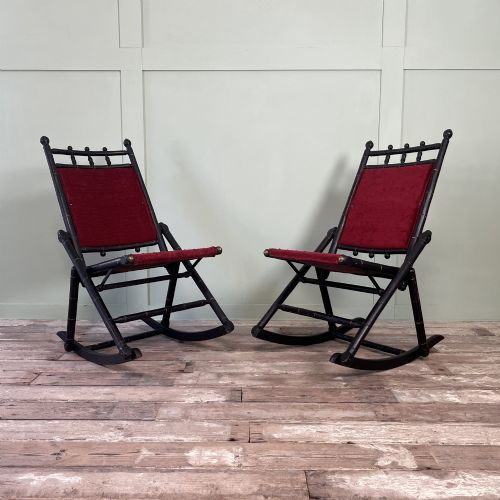
Victorian japanned furniture encompasses a range of side tables, display cabinets, and magazine racks created during the nineteenth century. These pieces reflect the nineteenth century fascination with Asian design motifs, often blending European furniture forms with lacquered surfaces.
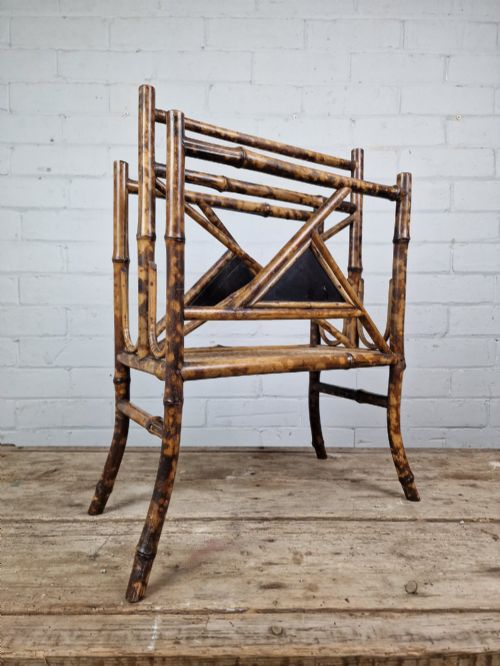
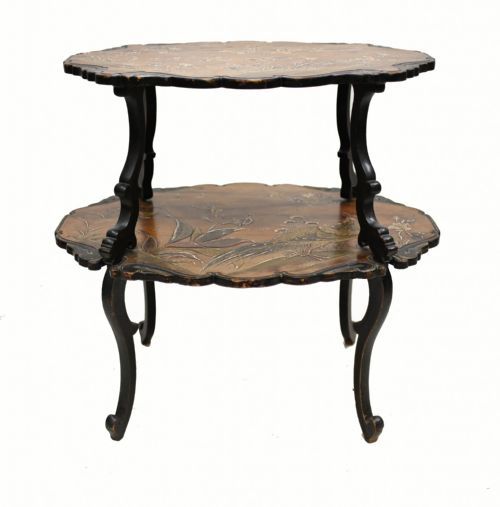
The selections found here rely heavily on bamboo frameworks paired with lacquered panels or papier-mache tops. Common forms include occasional tables, Canterbury magazine racks, and hall stands dated from the eighteen sixties to nineteen hundred.
Buyers encountering this group will frequently find items influenced by the Aesthetic Movement and Japonisme. These domestic furnishings served both practical storage and decorative display functions in Victorian interiors.
Materials and construction
Construction methods utilise natural bamboo, tiger bamboo, and ebonised wood to form structural frames for tables and cabinets. Artisans applied lacquer finishes to wood, papier-mache, and bamboo surfaces to create durable, glossy decorative panels.
Surface decoration frequently involves hand-painted motifs executed in imitation of traditional Asian lacquerware. Brass hardware and glass components occasionally supplement these materials, particularly in display cabinets and sewing tables.
Victorian Japanned Furniture Retail Price Guide 2026
Typical asking prices for victorian japanned furniture among the pieces listed under this phrase on Sellingantiques today, from the lower quarter to the upper quarter. They describe what is for sale here now, not the wider market.
Listings feature items from the nineteenth century, including the Victorian period and the Aesthetic Movement.
Factors of quality
The standard of execution in hand-painted lacquer decoration distinguishes finer examples from simpler commercial pieces. Crispness in the rendering of Chinoiserie and Japonisme motifs indicates greater workshop skill.
The integrity of the underlying bamboo or wood frame determines the structural longevity of the piece. Well-preserved lacquer surfaces without extensive flaking represent the upper tier of surviving examples.
The Victorian Japanned Furniture Glossary
- Japanning
- European imitation of East Asian lacquer work, produced by applying successive layers of varnish and heat-treating the surface. This technique created glossy, dark panels often decorated with raised or painted motifs.
- Aesthetic Movement
- A late nineteenth century design trend that emphasised art for art's sake and drew heavily on Japanese aesthetics. Pieces from this movement often featured simplified structural forms combined with elaborate surface decoration.
- Papier-mache
- A composite material made from paper pulp or layers of paper bound with glue, then moulded and lacquered. It was frequently used for lightweight table tops and trays during the Victorian era.
- Canterbury
- A low, open-partitioned stand designed originally for holding sheet music or magazines. These pieces often incorporated bamboo frames and lacquered panels during the late nineteenth century.
- Etagere
- A set of open shelves or a tiered side table used for displaying ornaments. These tables appeared frequently in late Victorian interiors with bamboo and japanned finishes.
Victorian Japanned Furniture: Frequently Asked Questions
What is Victorian japanned furniture?
It refers to nineteenth century household furnishings finished with European lacquer techniques that imitated Asian styles. These pieces include tables, cabinets, and stands decorated with hand-painted motifs.
Such items gained popularity through the influence of the Aesthetic Movement and international trade expositions. They brought exotic visual elements into British domestic spaces.
How do I care for japanned surfaces?
Japanned surfaces require gentle dusting with a soft, dry cloth to prevent scratching the delicate lacquer finish. Avoid using liquid polishes or chemical cleaners that might soften the varnish.
Keep these pieces away from direct sunlight and excessive humidity to prevent the lacquer from cracking or lifting off the wood or bamboo base.
What materials were used?
Makers utilised bamboo, tiger bamboo, ebonised wood, and papier-mache as the primary structural materials. Surfaces were then treated with lacquer and finished with hand-painted details.
Hardware components such as hinges and small supports were typically cast in brass, while display pieces occasionally incorporated glass panels.
How can I date these pieces?
Dating relies on stylistic indicators such as the presence of Aesthetic Movement motifs or specific structural forms like bamboo frames. Most surviving examples date from the eighteen seventies to the turn of the twentieth century.
Construction details, including the type of bamboo used and the method of joining panels, help place pieces within the broader Victorian period.