


Victorian Iron Fireguard
These Victorian iron fireguard pieces combine practical hearth safety with period design, offering robust protection alongside decorative charm.
Victorian Iron Fireguard
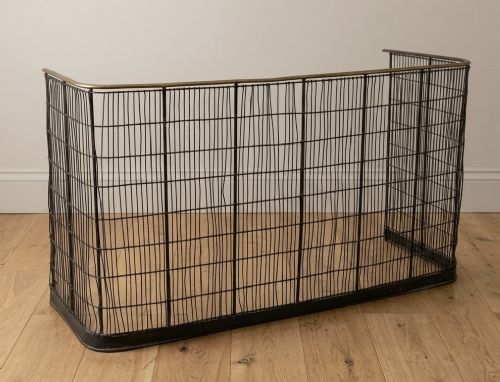
When you search for a Victorian iron fireguard, you encounter sturdy nursery fenders and decorative fire screens designed to protect rooms from stray sparks. The pieces appearing here span the nineteenth century and into the early twentieth century, taking forms such as folding spark guards, tall nursery guards with brass top rails, and low protective fireguards.
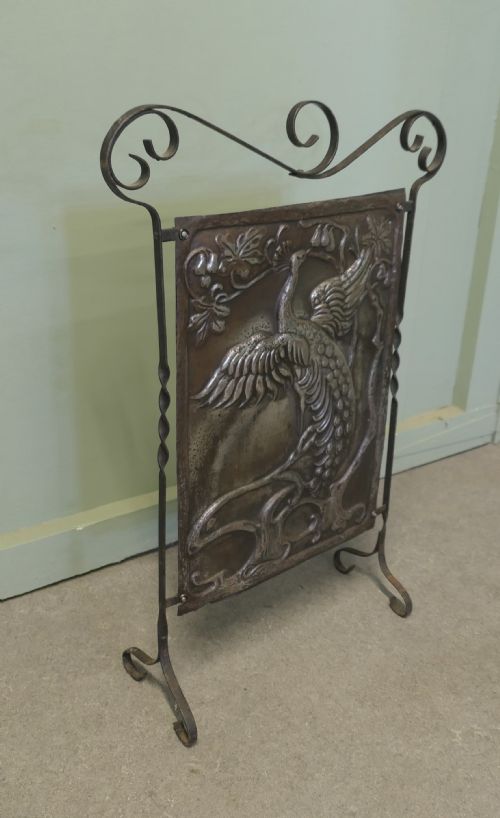
Most examples merge iron frames with wire mesh, brass rails, or copper panels, reflecting the domestic safety needs of period households. You will find both utilitarian nursery fenders built with clothes rails and highly decorative screens influenced by the Arts and Crafts and Gothic Revival movements.
How they were made
Maker construction relies heavily on wrought iron, steel, and cast metal combined with fine wire mesh or beaten copper panels. Brass top rails and decorative mounts add contrasting metallic warmth to the darker iron frames.
Techniques range from hand-forged scrollwork and riveted mesh to polished iron finishes and embossed copper panels. Folding mechanisms and integrated clothes rails require sturdy hinges and solid bracket joints to withstand daily hearth use.
Some nineteenth-century nursery fenders came equipped with built-in clothes rails, proving Victorian practicality solved laundry drying and hearth safety simultaneously.
What varies in quality
Quality shows in the weight of the metal, the rigidity of the frame, and the finesse of the decorative detailing. Superior examples feature heavier gauge wrought iron, tightly woven wire mesh, and cleanly joined brass or copper elements that remain stable under use.
Design ambition separates standard hearth guards from exceptional pieces, particularly where handcrafted Arts and Crafts motifs or Gothic Revival tracery elevate a functional barrier into a striking decorative object.
The Victorian Iron Fireguard Glossary
- Nursery fender
- A tall protective guard placed around a fireplace to keep children and domestic pets at a safe distance from burning fuel. These often include a raised top rail and fine wire mesh.
- Spark guard
- A fine metal mesh screen designed specifically to catch flying embers and sparks emitted from an open hearth. They frequently fold or adjust to fit various fireplace openings.
- Wrought iron
- Iron that has been heated and shaped by hand tools, known for its fibrous grain and durability. It provides the strong structural backbone for many period hearth guards.
- Gothic Revival
- An architectural and decorative style drawing inspiration from medieval design, visible in pointed arches, heavy ironwork, and structural tracery. Pieces in this style often use dark iron and robust forms.
- Arts and Crafts
- A design movement valuing hand craftsmanship, simple utility, and natural motifs over mass production. Fire screens from this tradition often display hammered copper panels and stylised plant patterns.
Victorian Iron Fireguard: Frequently Asked Questions
What is the difference between a fire screen and a nursery fender?
A fire screen typically stands directly in front of the fireplace opening to block radiant heat or hide an unlit grate when the fire is out. They often feature decorative panels made of copper, brass, or fabric.
A nursery fender forms an enclosed barrier extending out onto the hearth floor. These taller guards are built with sturdy wire mesh to completely surround the hearth area and keep children away from flames.
How were these fireguards used originally?
Victorian households relied on these guards to prevent stray sparks and burning embers from damaging carpets or starting domestic fires. Tall nursery versions also doubled as drying racks for damp clothing using integrated brass rails.
Lighter screens were simply positioned to manage the intense heat of an open coal fire or to conceal the hearth during warmer months when fires were not lit.
Are these fireguards suitable for modern open fires?
Many period iron and wire mesh guards remain entirely functional for use with modern open hearths and wood-burning stoves. The heavy iron frames and fine mesh effectively catch sparks while allowing heat to circulate into the room.
It is important to check the dimensions and stability of each piece to ensure it fits securely around your specific hearth setup.
How do I identify a Gothic Revival design?
Gothic Revival pieces are characterised by architectural motifs borrowed from medieval buildings, such as pointed arches, quatrefoils, and heavy structural ironwork. These guards project a sense of robust antiquity and dark metalwork.
They stand apart from lighter Art Nouveau or Arts and Crafts pieces through their stern geometry and emphasis on solid iron construction.
What maintenance do iron fireguards need?
Regular dusting with a soft dry cloth helps prevent soot accumulation on the iron frame and wire mesh. Polishing brass rails or copper panels requires standard metal polish applied carefully to avoid staining adjacent iron.
Keeping the metal dry protects against surface corrosion, preserving the original finish and structural integrity of the piece.