





Victorian Interior Scene
These Victorian interior scene works capture domestic and social life in painted oil and watercolour, bringing historic rooms and household figures straight to your walls.
Victorian Interior Scene
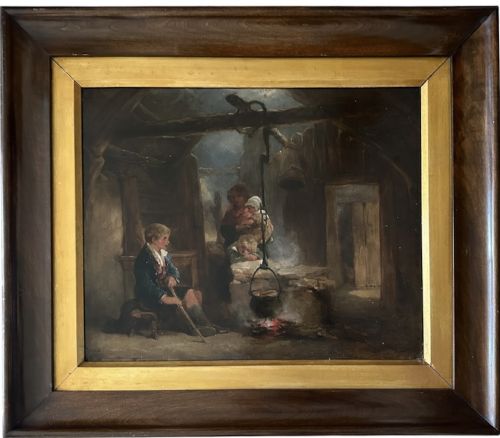
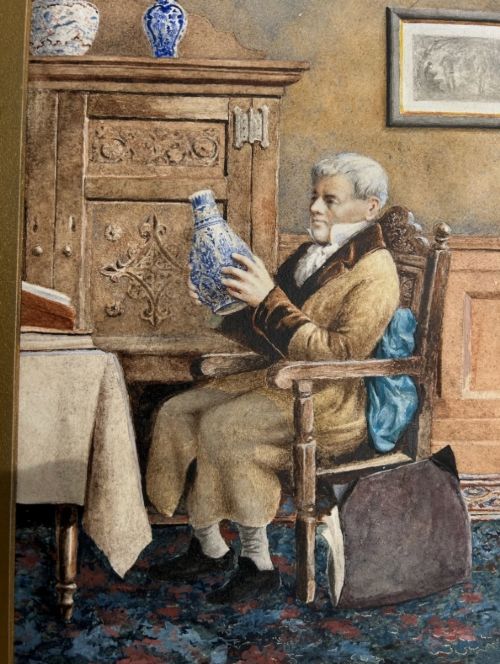
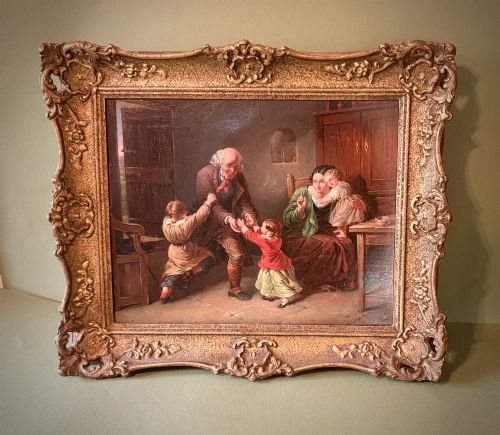
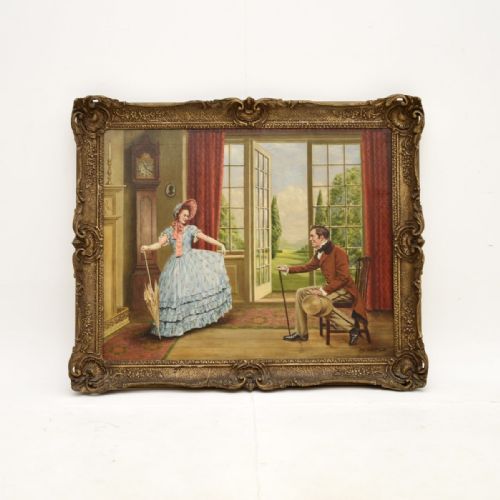
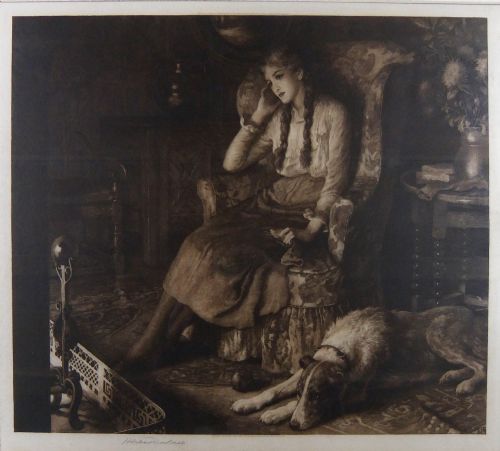
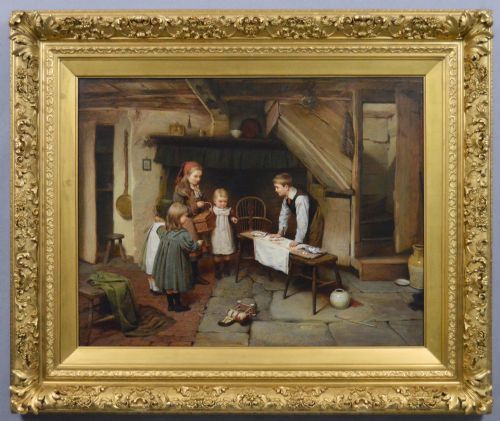
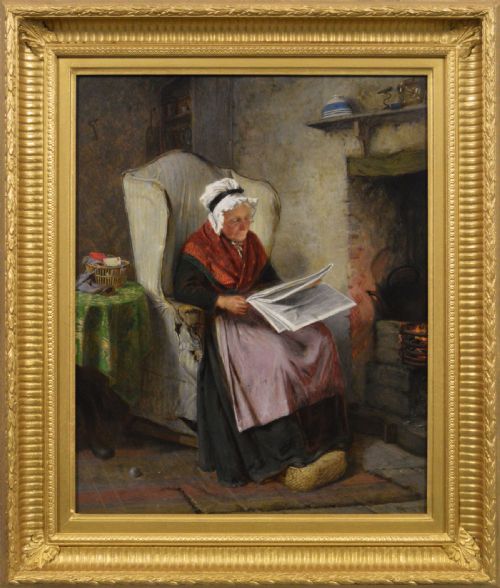
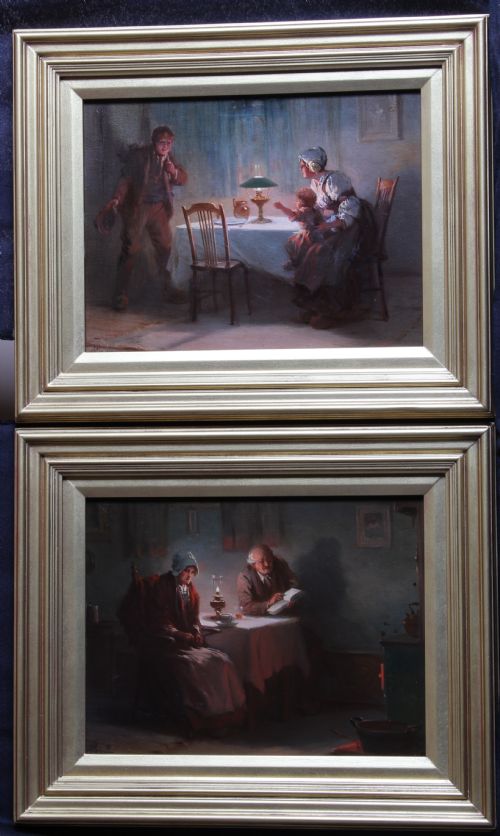
A Victorian interior scene depicts daily life, domestic chores, and social gatherings within period rooms, cottages, and grand houses. You will frequently encounter watercolours and oil paintings on canvas portraying figures at tea, by the fireside, or working in domestic settings.
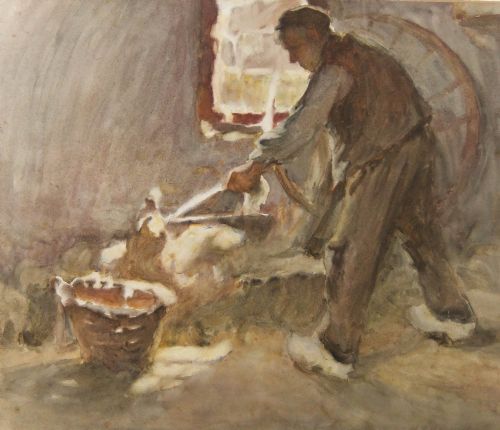
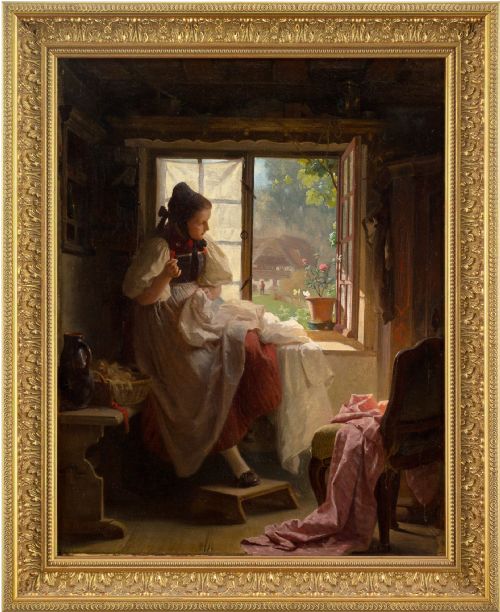
The pieces span the nineteenth century and extend into the early twentieth century, reflecting academic realism and genre painting traditions. Artists focused on human narratives, capturing moments such as a girl sewing by a window or a blacksmith at work.
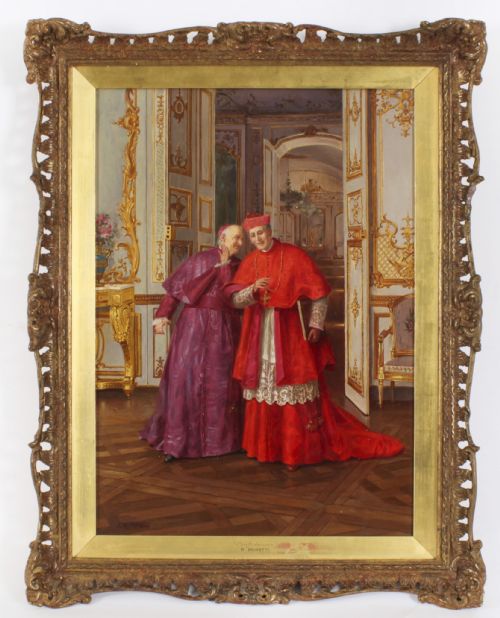
Works range from intimate watercolours on paper to large-scale oil paintings housed in original frames. Subjects vary from modest cottage interiors to elaborate French ballroom scenes.
Materials and technique
Artists painted primarily with oil paint or watercolour on canvas, paper, wood panels, and tin, employing traditional nineteenth-century techniques. Canvases received layers of pigment to build rich interior light and shadow, while watercolours utilised washes on paper to capture domestic details.
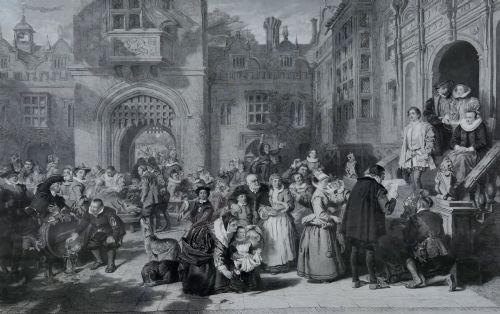
Finished artworks were often housed in carved wooden frames, sometimes incorporating gesso and gold leaf to complement the composition. Etchings and engravings also formed part of the medium repertoire, translating drawn interior narratives into printed editions.
Victorian Interior Scene Retail Price Guide 2026
Typical asking prices for victorian interior scene among the pieces listed under this phrase on Sellingantiques today, from the lower quarter to the upper quarter. They describe what is for sale here now, not the wider market.
Common domestic subjects include figures taking tea, sewing by windows, and gathering around cottage fireplaces.
Judging quality
Quality rests in the precision of the brushwork and the artist's ability to render light, texture, and human expression within a confined room. Finer pieces demonstrate careful attention to fabrics, furnishings, and the psychological interaction between figures.
The preservation of the original painted surface and the presence of a period frame, such as a Hogarth frame, contribute significantly to the standing of an artwork. Greater depth in the narrative and accomplished handling of perspective separate master genre works from simpler student pieces.
Henry Stacy Marks·Stephen Samuel Lewin·Henry Silkstone Hopwood·Alfred Lyndon Grace·Herbert Dicksee·Max Kaltenmoser·Renato Moretti·James Hayllar·Harry Brooker·George Kilburne·Alexander Rosell·John Arthur Lomax·Haynes King·James Kyd·Robert Alexander Hillingford·George Smith·Edwin Hughes·Théophile Emmanuel Duverger·Henry Spernon Tozer·Pauline Delacroix Garnier·Alfred Provis·Henry Collins·George Goodwin Kilburne·Thomas Gist·Jonathan Pratt
The Victorian Interior Scene Glossary
- Genre painting
- Depiction of aspects of everyday life by portraying ordinary people engaged in common activities. These works form the core of domestic interior subjects.
- Watercolour
- A painting method in which the paints are made of pigments suspended in a water-based solution. Artists applied these to paper for delicate interior views.
- Gesso
- A paint mixture consisting of a neutral binder mixed with chalk, gypsum, or pigment. This material prepared wooden panels and frames before gilding.
- Hogarth frame
- A distinctively profiled wooden picture frame popular during the eighteenth and nineteenth centuries. They often feature dark polished finishes with subtle inner mouldings.
- Academic realism
- Style of painting and sculpture produced under the influence of European academies of art. It prioritises precise drawing and realistic anatomical depiction.
Victorian Interior Scene: Frequently Asked Questions
What is a genre painting?
A genre painting shows scenes from everyday life, featuring ordinary people in natural settings rather than historical or mythological subjects. In these collections, genre works focus on domestic chores, tea times, and fireside moments.
Such paintings provide a visual record of period clothing, furniture, and social habits. Artists used these intimate compositions to tell quiet human stories.
How should I hang these artworks?
Display these oil and watercolour paintings away from direct sunlight to protect the pigments from fading over time. Maintaining stable room humidity also preserves the wooden panels, canvases, and gilt frames.
Consider eye-level placement in rooms with traditional decor to appreciate the fine brushwork and narrative details. Proper wall spacing allows each framed interior scene to read clearly.
Are these works original?
The selection includes original nineteenth-century oil paintings, watercolours, and period engravings created by listed artists and contemporary schools. Each piece reflects the physical materials and techniques of its specific decade of production.
Signatures, artist attributions, and period framing help confirm the authenticity of individual works. Archival records also document past examples of textile and carved panel depictions.
How do I identify the period?
Dating relies on stylistic clues, artist signature records, clothing styles worn by the figures, and framing materials. Nineteenth-century pieces often exhibit academic realism or Victorian genre conventions.
Examine the back of the canvas, panel, or paper support for old labels, stamps, or inscriptions left by previous owners or framers. These physical markers help narrow down the decade of creation.